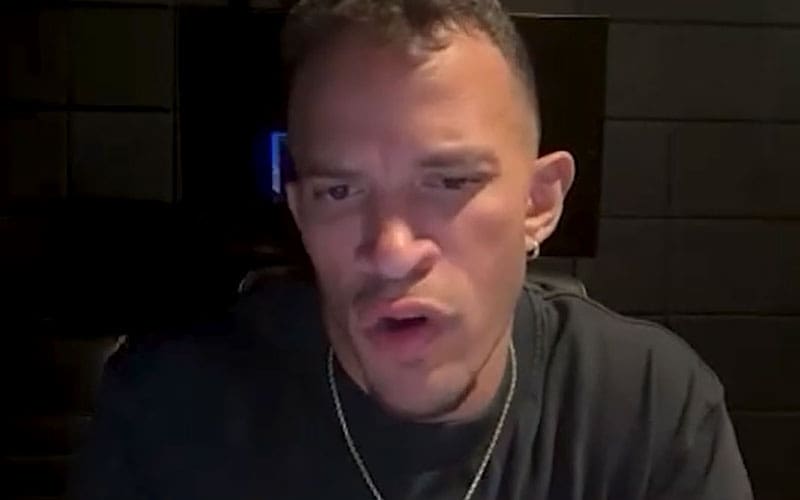
The long wait for Ricky Saints
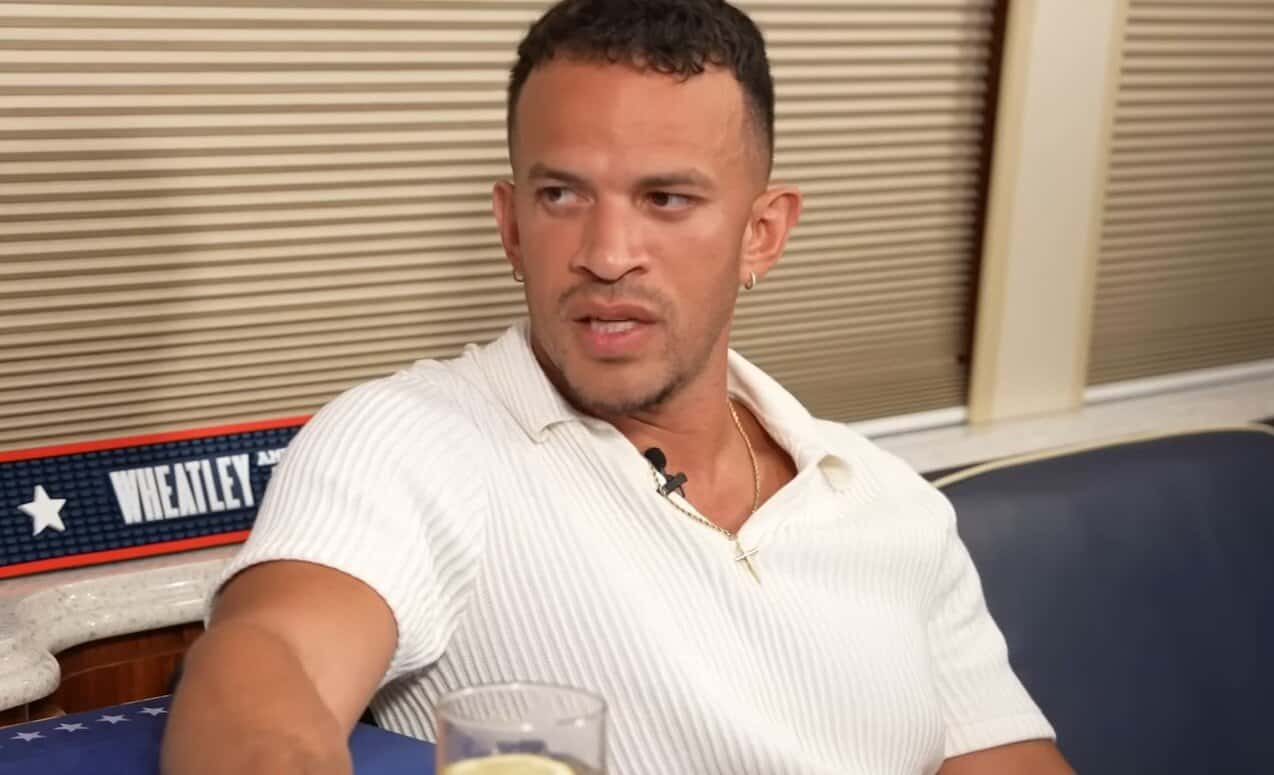
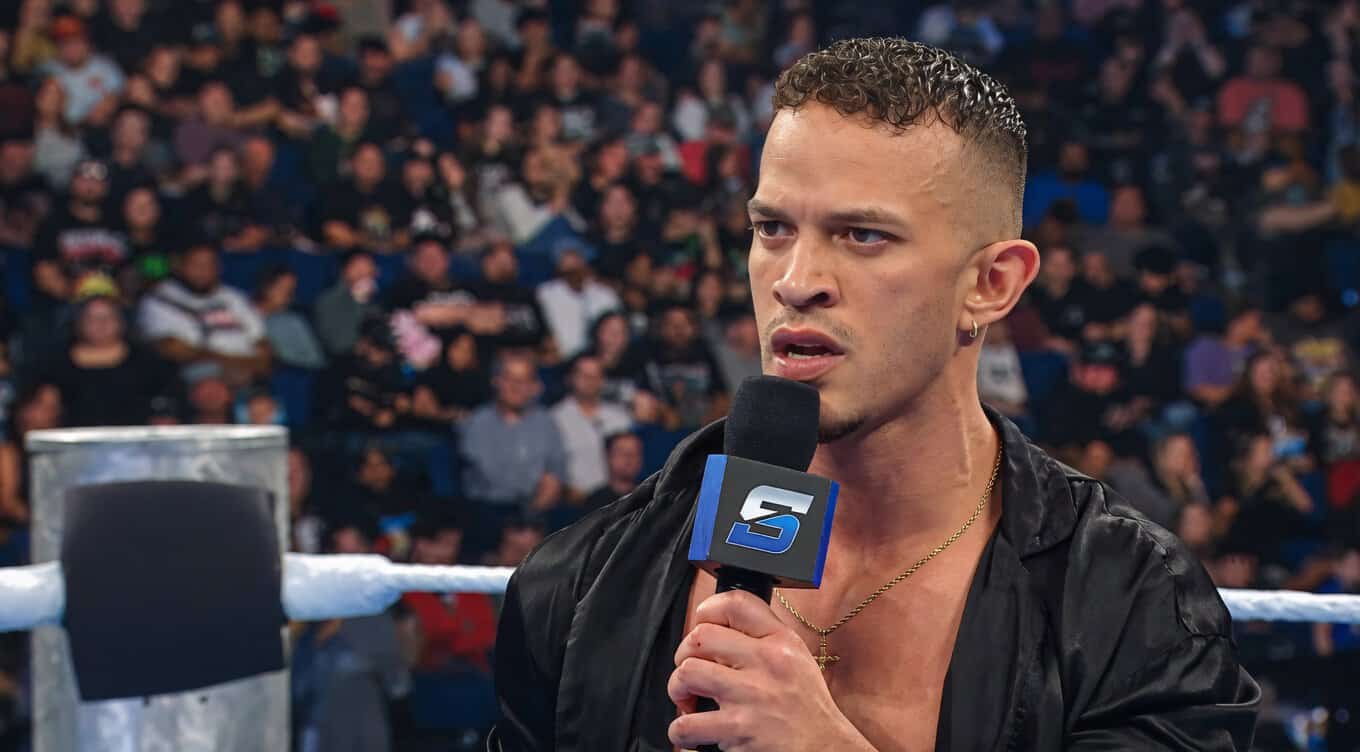
Ricky Saints has finally addressed the prolonged stretch of inactivity that kept him off AEW television for months. Fans have been speculating for weeks on why such a high-profile talent vanished from the weekly rotation, and Saints finally gave some insight into the frustration of waiting for a creative spark in a recent interview regarding his status.
Saints acknowledged that the period was as taxing for him as it was for the loyal audience wondering where he went. His tone was professional but firm, highlighting the disconnect between the performer's desire to compete and the promoter's vision for the program flow. He maintained that he kept himself in peak shape during the hiatus, refusing to let the lack of bookings impact his in-ring conditioning.
Why the silence was a mistake
The biggest issue here isn't just the absence of Saints, but the complete lack of narrative acknowledgment from AEW management while he was off-air. When a talent of his caliber disappears without an injury angle or a public suspension, it leaves a void that the product struggles to fill. Fans don't want a mystery; they want continuity and high-stakes matches.
I sat on the sidelines because the creative direction was simply moving in other lanes. It is not always about what you bring to the table, but whether the table has room for your specific style at the moment.
This admission sheds light on the internal struggles of a bloated roster. Saints implies that talent depth, while a strength on paper, creates a chaotic booking environment. When a company carries so many contracted stars, someone eventually gets left behind, often purely due to a lack of available airtime rather than a dip in performance quality.
A grim outlook on roster management
Saints' comments raise red flags for other mid-card performers who find themselves in similar positions. If the booking team is prioritizing long-term story arcs—often stretched to the breaking point to fill AEW programming commitments—shorter, character-driven rivalries often get the axe. This is a clear booking flaw that has persisted throughout the year.
The fans have noticed the dip in momentum for several breakout stars. By keeping talent off-screen instead of utilizing them in 10-minute sprint matches to keep their heat alive, the company risks cooling off their most valuable assets. Saints seems aware of this, yet he remains at the mercy of a system that favors established headliners over those climbing the ranks.
What comes next for Saints?
With WrestleMania 41 looming on April 19, the entire industry is pivoting to see how the landscape shifts post-event. Saints needs a clean win or a hot angle to recover the ground lost during his time away. He is far too polished to be an afterthought in a promotion that prides itself on wrestling excellence.
Looking at the scheduling, we have about 51 days until AEW Double or Nothing 2026. This gives management a clear window to re-integrate Saints into the title picture. If he remains on the bench through May, he would have essentially lost a full quarter of a year to inaction, which is unacceptable for a performer in his prime.
The verdict on the hiatus
The most critical observation to make here is that Saints' frustration is entirely justified. Modern wrestling success relies on momentum. If you aren't on TV, you don't exist in the eyes of the casual viewer. The strategy of 'nurturing' talent by keeping them off screen is an archaic way of thinking that fails in the current era of hyper-connected media.
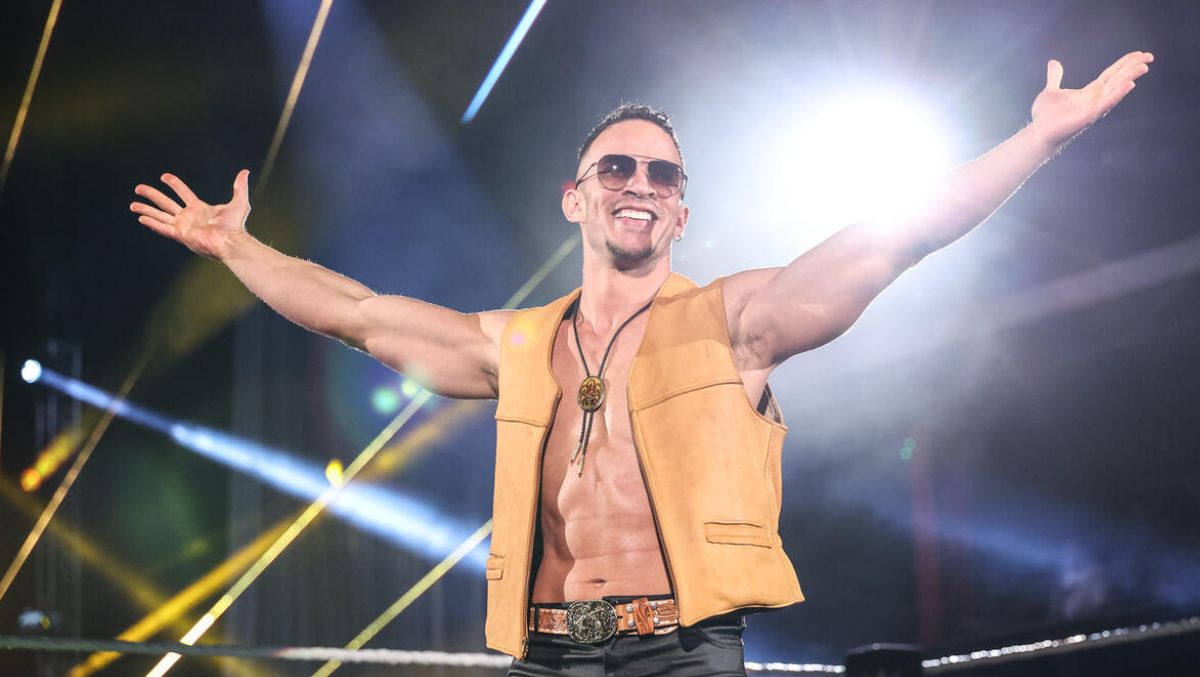
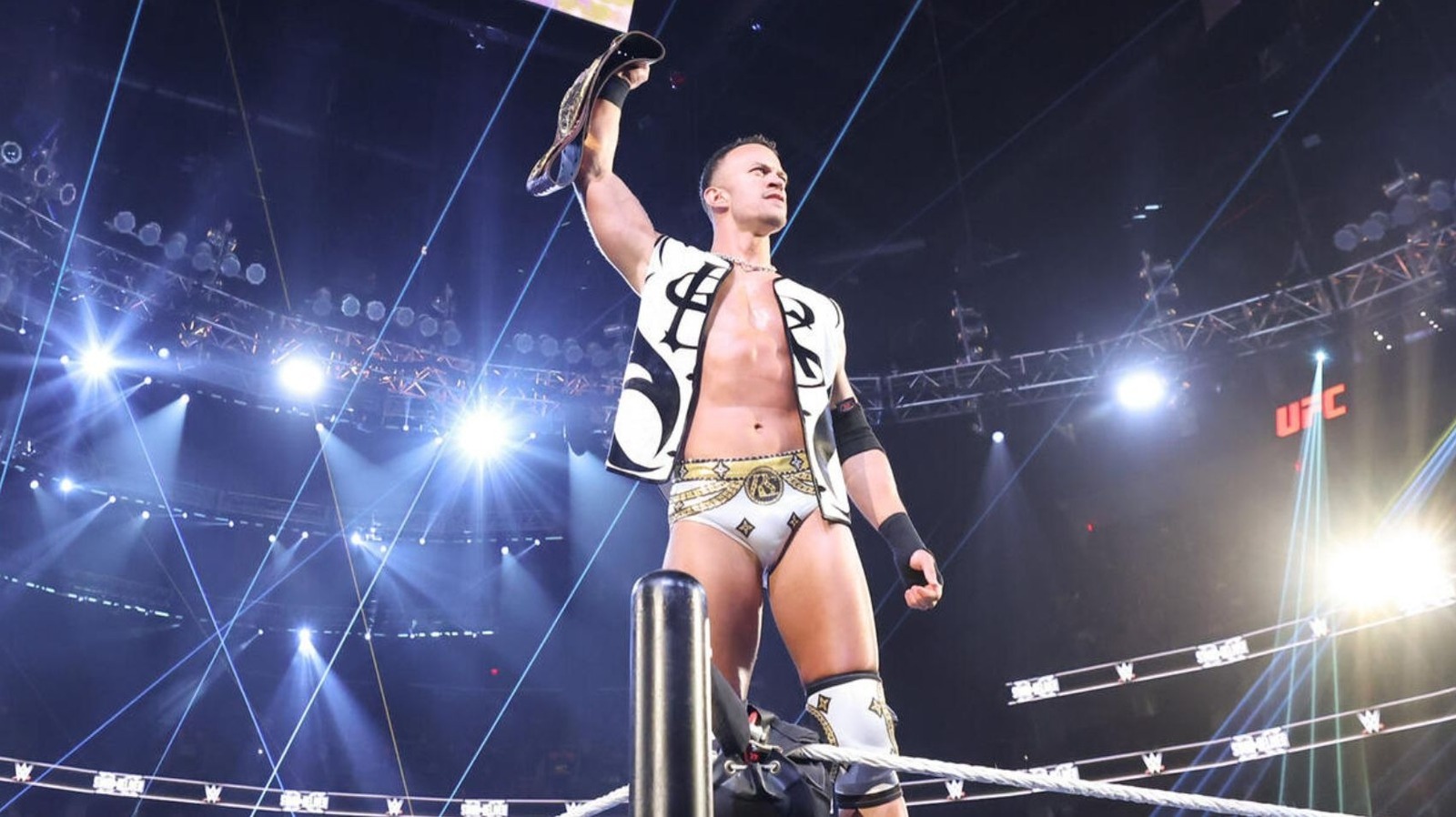
Saints has the look and the intensity to carry a segment, but his return must be urgent. If his comeback is treated with the same tepid indifference as the booking that led to his departure, he will likely be testing free agency before the year concludes. Quality talent doesn't sit idle forever, and the transparency shown today is likely a precursor to a wider conversation about contract frustration backstage.
Ultimately, Saints’ interview served as a reminder that professional wrestling remains a fickle meritocracy. Being the best worker in the room isn't enough when you're caught in a crossfire of shifting creative priorities. He is ready, he is capable, but he is currently waiting for someone to pull the trigger on his next big match.
The ball is firmly in the court of AEW producers now. They have one of their most charismatic stars hungry for work and vocal about his desire to perform. Ignoring this energy for a second time would be a massive strategic failure for a brand that needs to maintain its buzz to stay relevant against the juggernauts in the space.