The Garden turned into a graveyard for order
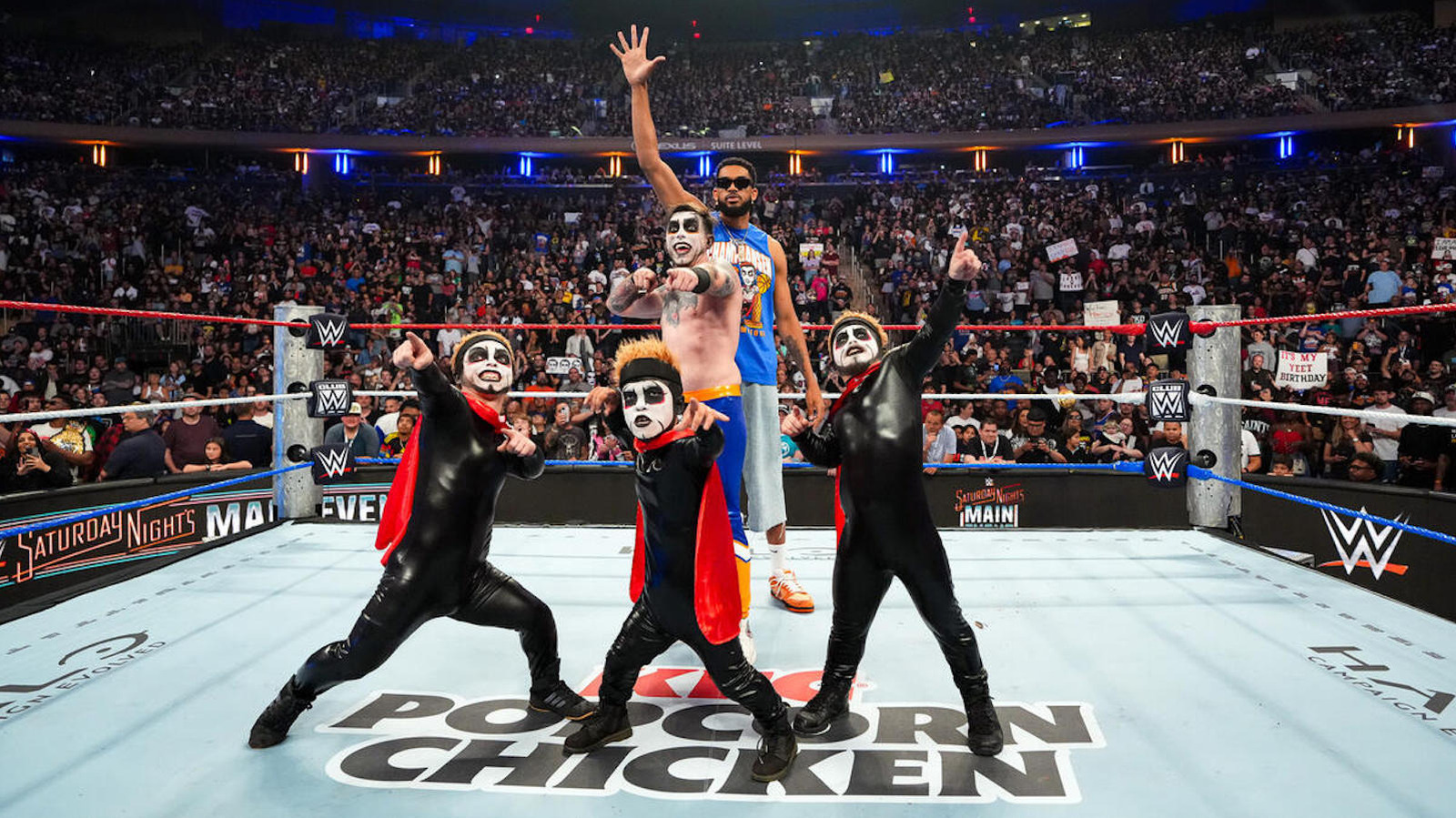
Stepping into Madison Square Garden should be the pinnacle of a wrestler's week. Instead, the March 30, 2026, edition of Raw devolved into a series of structural failures and security lapses that overshadowed a significant card. While three championships were on the line, the focus was pulled away from the canvas by external variables that the promotion simply cannot afford to ignore.
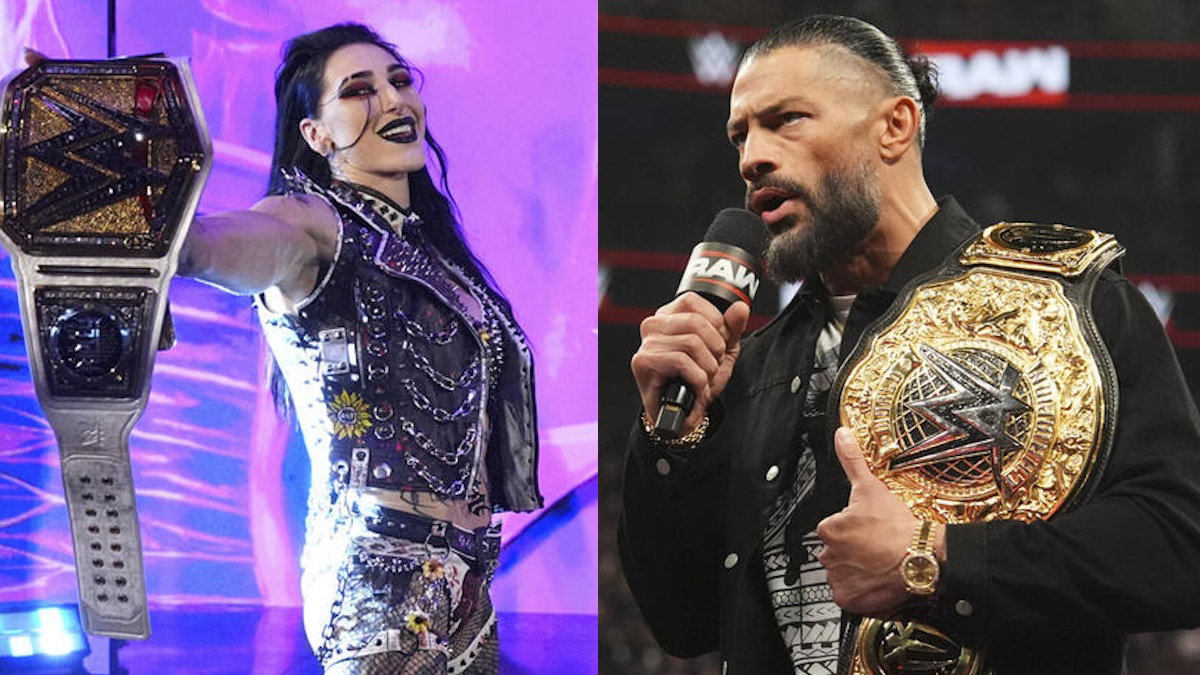
As Ringside News documented, the safety of talent was compromised during Liv Morgan’s entrance. When a fan breaches the barricade and makes physical contact with a performer, the entire operational security plan has failed. It turns a professional presentation into a dangerous liability. This incident served as a stark contrast to the intended prestige of the venue, highlighting a lack of crowd control that needs immediate correction before the company heads into the massive scale of WrestleMania 41.
The booking noise drowns out the wrestling
From a purely tactical perspective, the show suffered from a bloated narrative structure. We saw the return of Roxanne Perez, as noted by F4WOnline, and a surprise appearance by Stephanie McMahon. While these moments generate a short-term pop, they often arrive at the expense of consistent ring time. When you clutter the broadcast with legacy cameos, the secondary and tertiary storylines—the ones meant to keep the product engaging through the summer months—are pushed into the background.
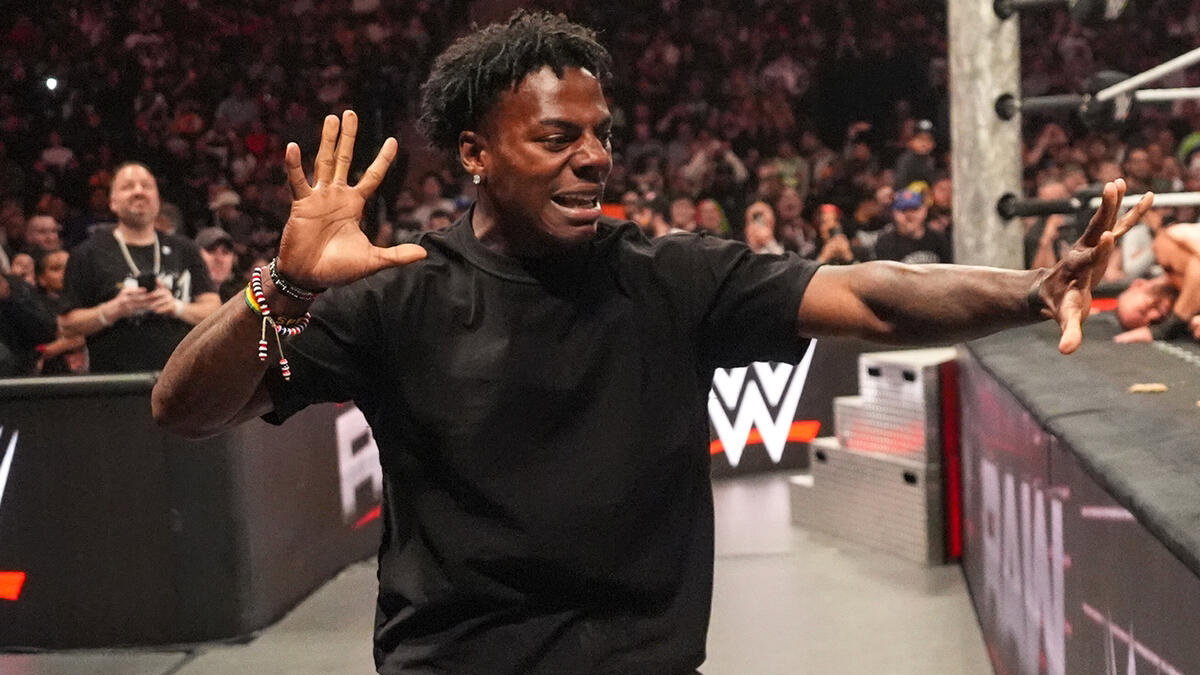
The fallout from the streamer IShowSpeed’s involvement in the attack on LA Knight has left the fan base conflicted. Reports indicate the streamer has already addressed the incident, but this feels like an unnecessary diversion from LA Knight’s trajectory. Integrating outside influencers into internal storylines usually forces a compromise in the intensity of the segments. It changes the tone from a high-stakes competition to a social media stunt package. For the fans who tune in to see technical progression, these segments are nothing more than filler.
Technical takeaways and the path forward
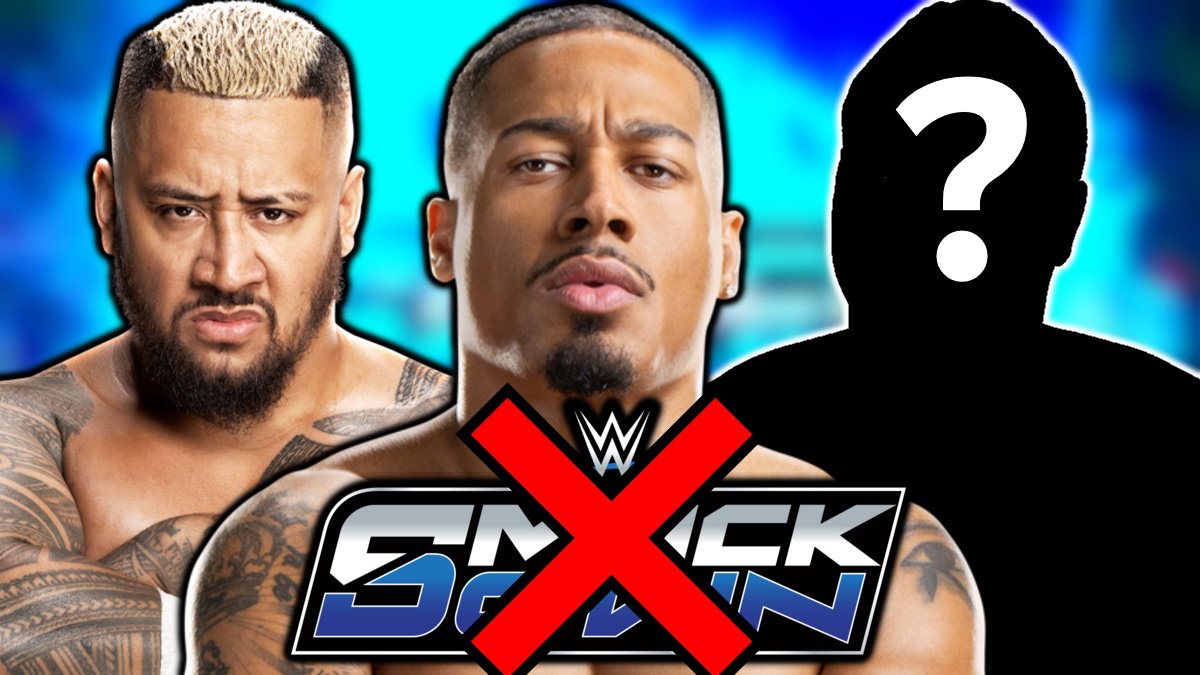
The card featured the Women's Tag Team, Intercontinental, and World Tag Team Championships, yet the post-match discourse is dominated by the logistics of the event. Analyzing the results from the night, it is clear that while talent is working at a high level, the creative direction is losing its grip on the core product. The decision-making process at the top—specifically surrounding the four new WrestleMania additions—suggests a rush to card completion that prioritizes quantity over the slow-burn storytelling that historically defines the spring.
The match quality remains technically proficient, but the lack of cohesion is becoming a pattern. When the biggest story emerging from the worlds most famous arena is a security breach, the production team has lost the initiative. Consistency is the primary currency in the wrestling business. Right now, the company is spending that currency far too fast, and the dividend is a product that feels increasingly fragmented. My prediction: Unless the focus shifts back to the bell-to-bell narrative, the momentum heading into mid-April will be driven by controversy rather than the quality of the wrestling itself.