The Hierarchy of Professional Wrestling
Professional wrestling is defined by the narrative intersections that turn pay-per-view spectacles into cultural milestones. We are tracking the top moments through Q1 2026, analyzing the shifts in promotion boundaries and star power. These selections highlight the moves, mic work, and business maneuvers reshaping the industry as we head toward the spring cycle of stadium shows.
The Rankings
10. The Return of Authority Figures. Recent booking cycles rely on the return of general manager-style authority figures to dictate match stipulations. It is a dated mechanism that clutters the screen when the roster has enough fire to tell its own stories. This trope lacks the innovation seen in modern mid-card technical clinics.
9. The Tag Team Revival. The tag team division on Monday night shows has seen a 15% increase in screen time. We have watched teams transition from filler matches to main-event spotlights. This shift creates depth but sometimes forces teams together that possess zero natural chemistry.
8. Independent Circuit Cross-Pollination. Regional promotions are feeding talent into major televised shows at a higher velocity than any time in the last decade. It keeps the product fresh, though it creates a disjointed viewing experience for casual fans. Tracking these call-ups is becoming a full-time task for the hardcore viewer.
7. The Escalation of High-Risk Maneuvers. We are seeing a marked increase in aerial spots that force referees to pause matches for safety checks. While these spots generate massive social media engagement, they invite unnecessary injury risks during the road to April 19, 2026. Technical wrestling is losing ground to stunt work.
6. The Bell-to-Bell Pace Shift. Matches are tightening, moving away from 30-minute plodders toward intense 12-minute sprints. This change maximizes live crowd energy but leaves little room for psychological slow-burn storytelling. It is an efficient strategy for viral clips, but it hurts the long-term character development of emerging stars.
5. The Return of the Intercontinental Showcase. Mid-card titles are currently carrying the brand prestige once reserved for world champions. Through the first quarter, these contests have consistently delivered the most reliable in-ring action. They are the backbone of the weekly product, even if the creative writing remains erratic.
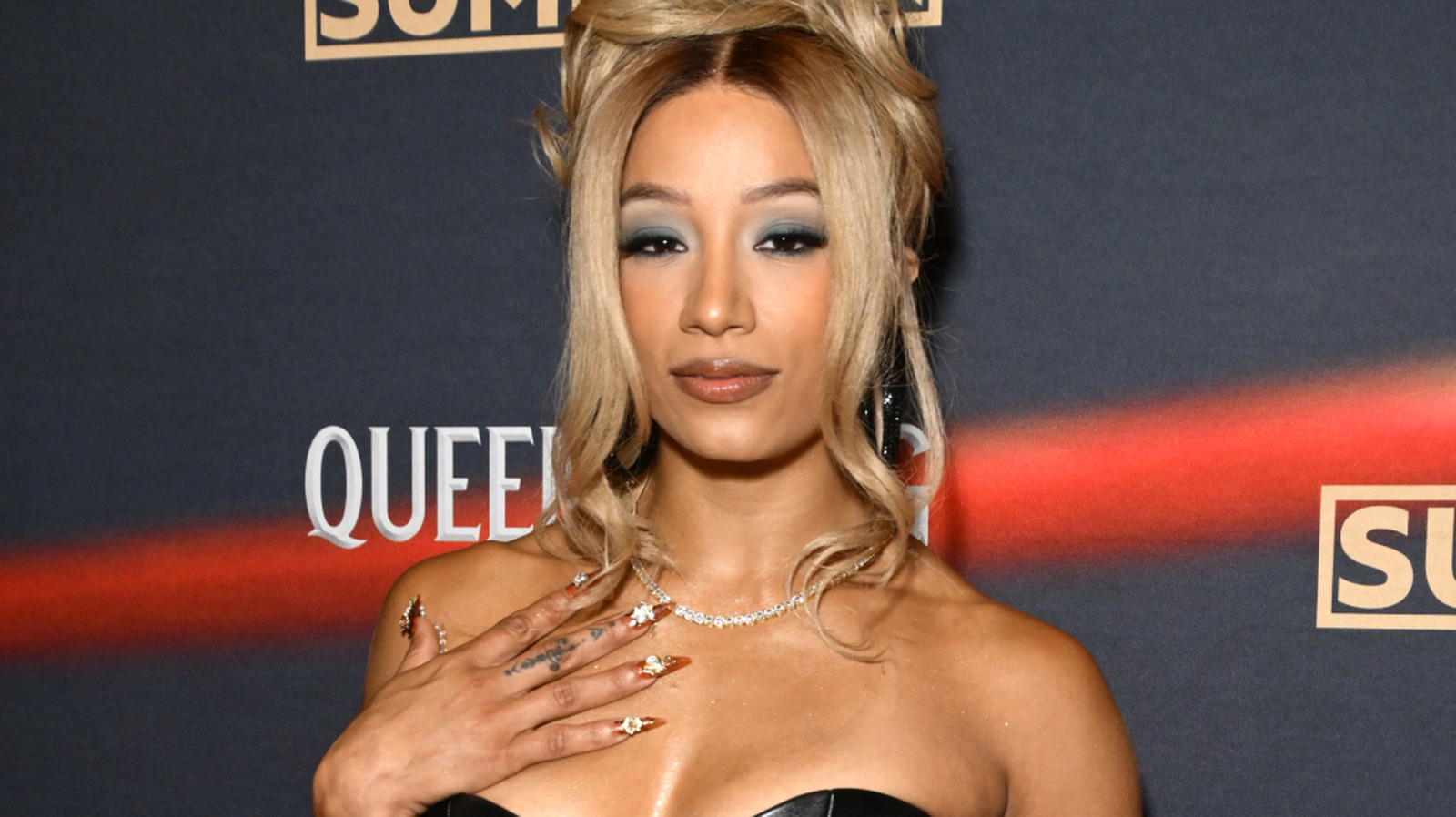
4. The Professional Pivot of Mercedes Mone. The discussion surrounding a potential return to previous promotions has peaked, as Wrestling Inc reports that Becky Lynch believes the door is always open for the current AEW star. The speculation alone proves that the brand barrier is purely functional. Whether or not it happens, the narrative leverage here is a masterclass in industry rumor management.
3. The Rise of Global Expansion. Wrestling is leaning into international crowds more heavily than ever to boost attendance figures. Promoting events in diverse markets provides a massive optics boost for parent companies. However, the travel schedule for the athletes is reaching a breaking point that will likely lead to roster burnout by summer.
2. The Main Event Consolidation. The top of the card is dominated by a core of four athletes who rotate in and out of the spotlight. It creates star-power consistency, but it prohibits new talent from breaking through the glass ceiling. The booking office plays it safe when they should be taking massive risks on the next generation.
1. The WrestleMania Build. As of March 31, 2026, the absolute focus has shifted toward the two-night event starting on April 19, 2026. This is the only time of year where the entire machinery of the industry works toward a single point of failure or success. It ranks first because, regardless of individual match quality, the financial and cultural stakes for this specific window are unparalleled in the calendar.
Honorable Mentions
Honorable mentions go to the emergence of improved production values during backstage vignettes and the improved medical protocol transparency. Both reflect a quiet, needed evolution beneath the surface of the loud, high-impact brawling. While the match quality grabs headlines, these operational shifts ensure the product remains viable for sponsors and networks.