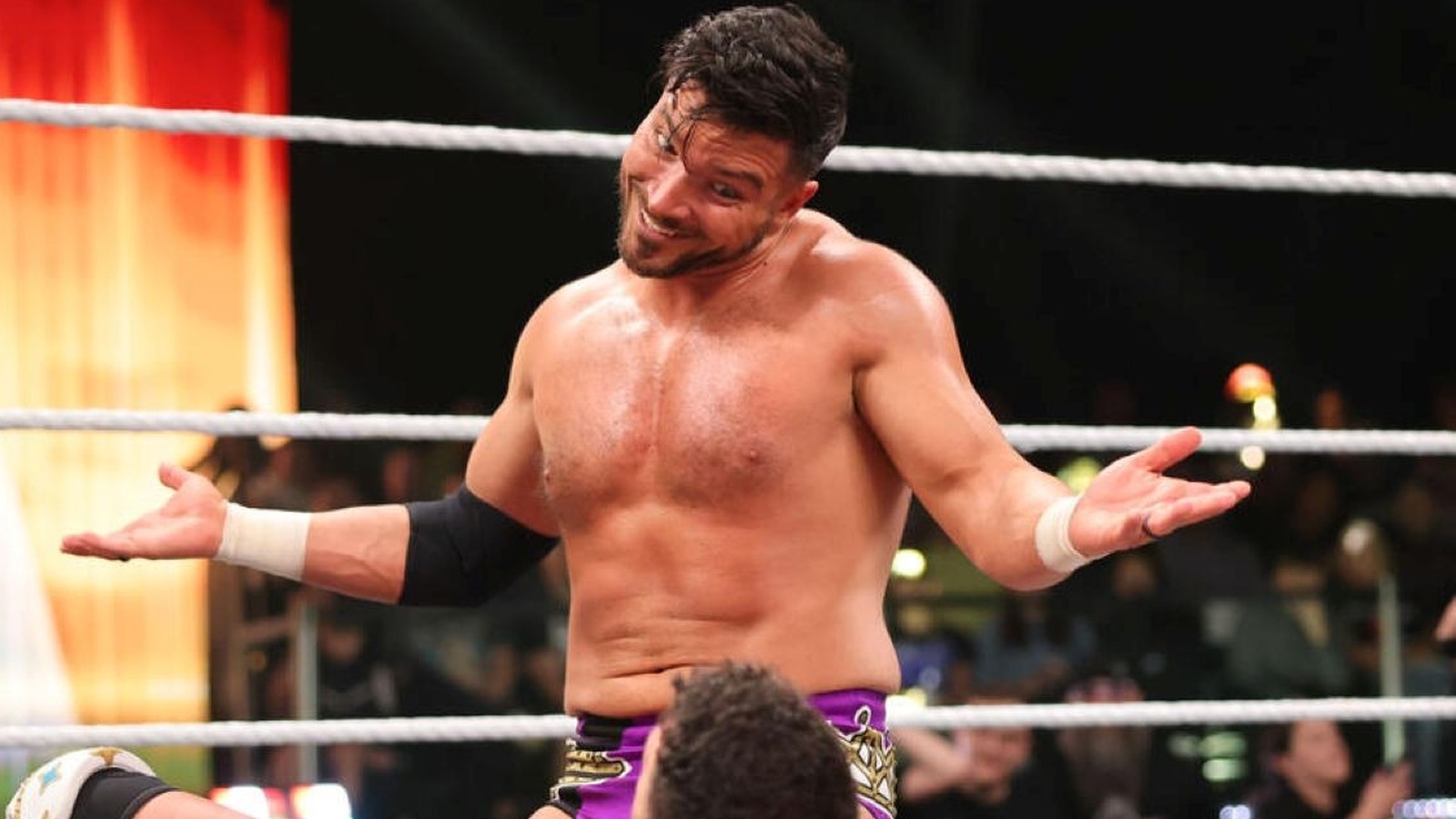
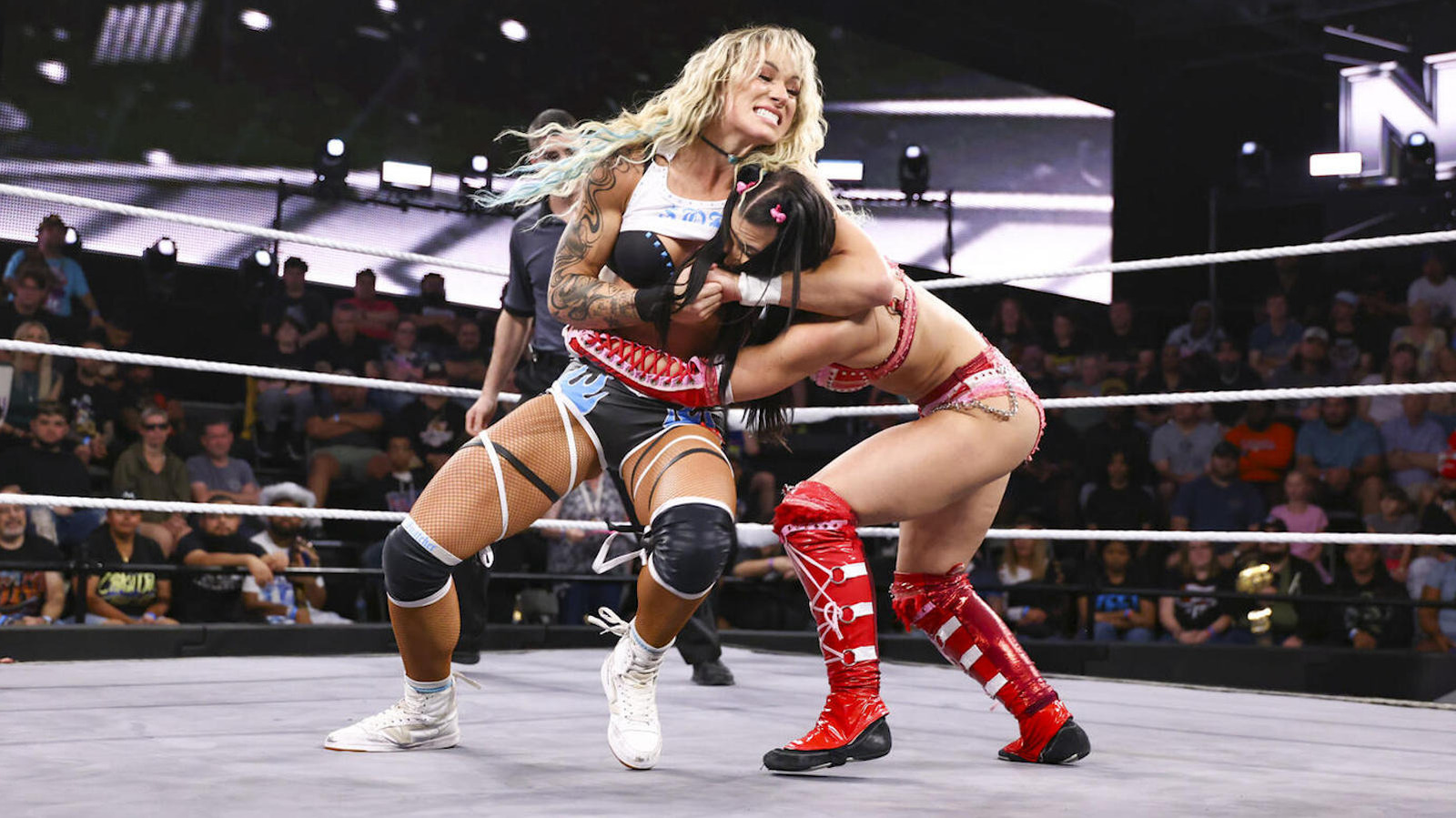
The transition from territory to national stage
Running a television taping at Madison Square Garden on March 31 was a move that shifted the identity of NXT. For years, the brand functioned as a training ground, a quiet laboratory for experimental mechanics and character development. Taking the blue-and-gold brand into the world’s most recognizable arena suggests that the internal hierarchy has shifted.
This venue is usually reserved for the culmination of months of buildup, the final stop on a road to a major premium live event. Using it for a standard television broadcast creates a logistical nightmare for the production crew, but it serves a strategic purpose. It forces talent to grapple with a cavernous, historic stage instead of the intimate confines of the Performance Center.
The booking risks in the world's most famous arena
The decision to host this show just weeks before WrestleMania 41 creates a tension between brand growth and brand dilution. While the talent clearly thrived under the brighter, wider lights, the broadcast struggled with pacing issues that felt tied directly to the venue's massive floor space. Entrances took nearly double the standard time, leaving the middle segments feeling rushed to accommodate local curfew constraints.
As PWInsider reported regarding recent viewership trends, the audience is currently caught in a cycle of flux. Moving the developmental brand into a venue of this stature requires a polished product that can hold the attention of a traditional Manhattan crowd. Some of the younger performers appeared slightly overwhelmed, leading to sloppy tethering during tag team spots in the first hour.
The move toward WrestleMania
With WrestleMania 41 occurring in just 18 days, the timing of this MSG appearance acts as a litmus test. We saw several performers experiment with signature maneuvers closer to the hard camera, signaling a move toward the cinematic presentation expected at the main roster level. However, the reliance on high-risk aerial spots in a venue this large can often lead to a loss of kinetic energy if the crowd is spread thin.
The current ratings trend shows that fans are willing to follow this iteration of NXT, but the creative team must tighten the narrative loops. The recent move away from purely technical wrestling toward high-impact spots at the 14-minute mark of closing bouts is a clear attempt to cater to a broader audience. Whether this sustains the interest of the core fanbase remains the primary concern for the executive team.
Tactical forecast
I anticipate the fallout from this MSG show will dictate the structure for the next few weeks of television. Expect a tighter focus on character-driven feuds rather than exhibition-style contests as the company pivots toward the spectacle of April 19. If the current viewership trajectory holds, the brand will likely remain a fixture in high-capacity venues by the end of the year.
My prediction for the coming cycle: expect more inter-brand crossover sequences in the lead-up to the show on the 19th. The experimental phase ended in the third quarter of last year, and we are now seeing the shift into a secondary touring juggernaut. It is a bold, albeit expensive, strategy that relies entirely on these performers peaking at the exact right moment.