The panic button gets mashed
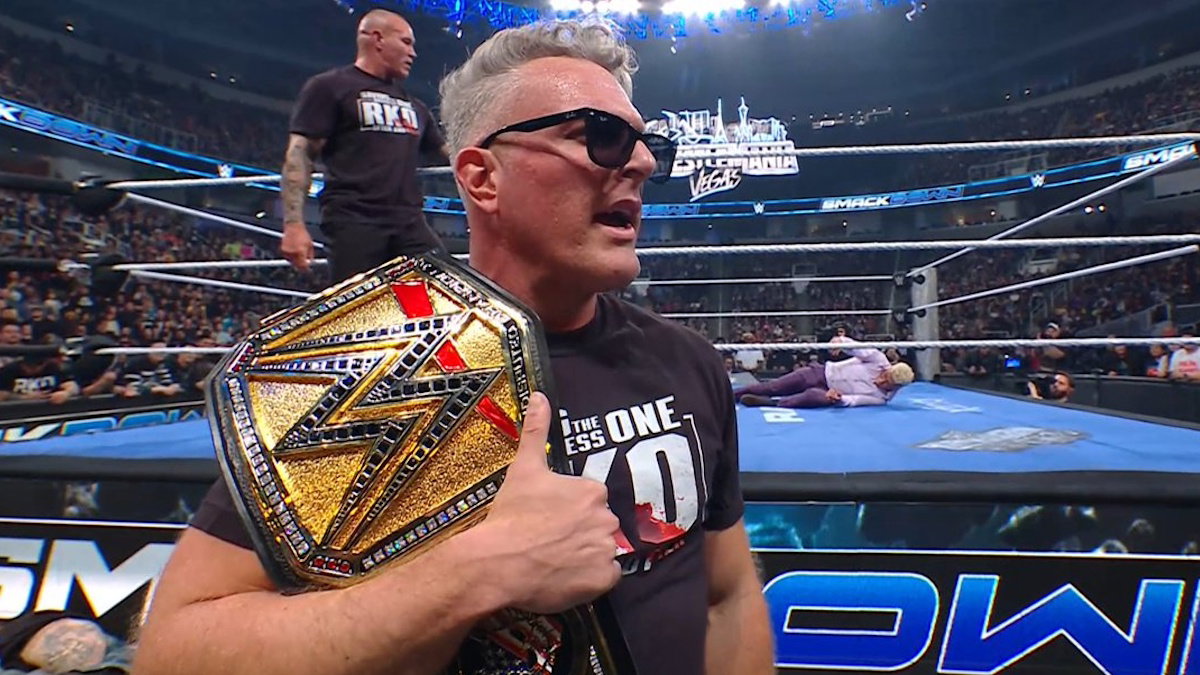
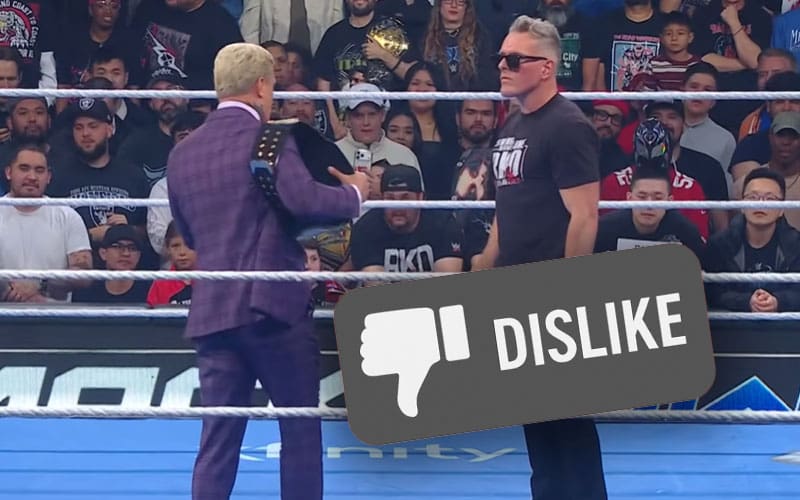
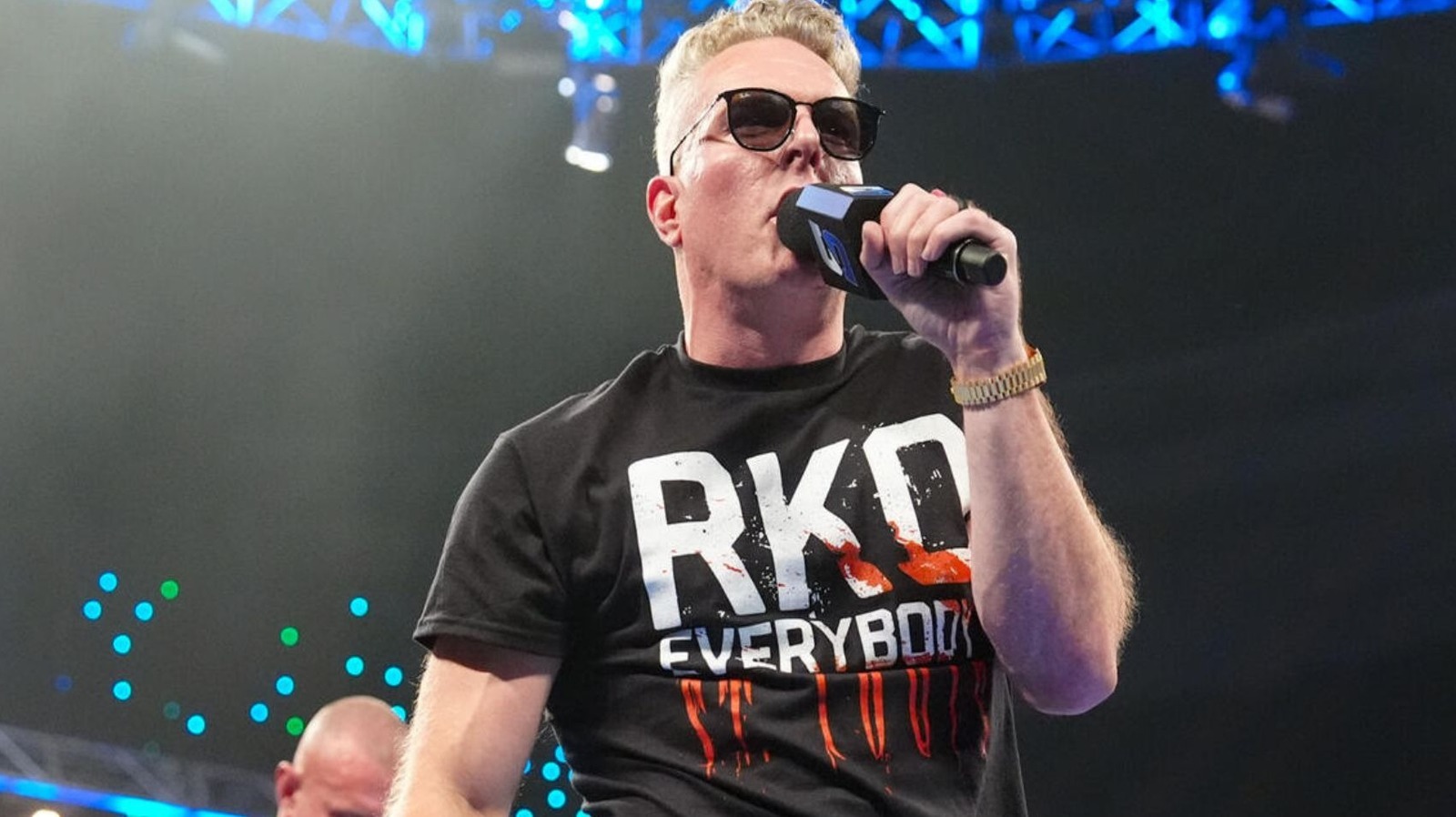
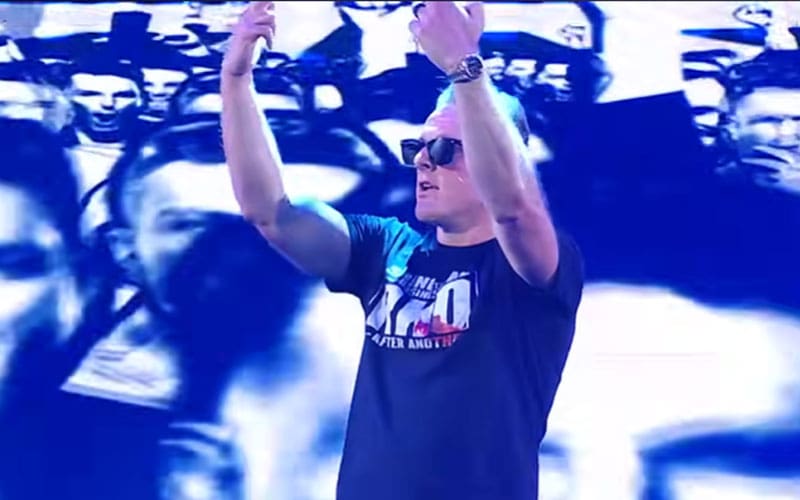
Friday night's episode of SmackDown went off the rails in the most preventable way possible. During a heated segment on the April 10 broadcast, Pat McAfee decided to let the middle fingers fly.
The production truck immediately panicked. Instead of cutting to a wide shot or a crowd reaction, they smashed the nuclear button.
Viewers at home were treated to jarring, full-screen blackouts. It felt like the cable box had short-circuited.
As Ringside News reported, the production scramble was immediate and clumsy. It completely derailed the momentum of the live segment.
We are exactly eight days away from WrestleMania 41 Night 1 in Las Vegas. This is the time of year when every single segment is supposed to be meticulously planned and executed.
Instead, the WWE production team looked like amateurs trying to censor a live public access feed. It was a brutal viewing experience for anyone watching on television.
The fans inside the arena saw exactly what happened and popped for it. The fans at home were left staring at a blank screen, wondering if their local affiliate had dropped the feed.
It is a stark reminder that while the company wants to project an edgy, modern image, their live broadcast protocols are still stuck in the early 2000s.
The glaring double standard
Here is where the hypocrisy of the current product really shines through. We are living in the TKO era, where the rules of engagement are supposedly shifting.
Over on RAW, top stars are pushing the TV-14 boundaries every single week. We have seen blood, unscripted brawls, and a shocking amount of profanity slipping through the cracks.
The Rock has spent the better part of two months treating network television like an HBO special. He drops curses, bleeds all over the ringside area, and the censors are often a second too late.
Nobody hits a full-screen blackout when the Final Boss is holding a microphone. The truck lets it breathe, knowing that the mainstream buzz outweighs a sternly worded letter from network executives.
But when Pat McAfee throws up a gesture made famous by Stone Cold Steve Austin thirty years ago? The screen goes dark.
It exposes a massive disconnect between what the talent is encouraged to do and what the production truck is authorized to broadcast. The right hand has no idea what the left hand is doing.
If you want a gritty, realistic product, you have to let the talent react organically. If you want a sanitized corporate show, you cannot hire a guy like McAfee to call the action.
Trying to split the difference results in these embarrassing production failures.
Why the blackout is a terrible production choice
Let's be highly critical of the technical execution here. A full-screen blackout is the absolute worst way to handle a broadcast slip-up.
WWE has dozens of cameras rolling at any given time. They have crowd shots, static wide angles, and iso-cams focused directly on Michael Cole.
When McAfee went rogue, the director had at least five different safe angles to choose from. Cutting to a shocked fan in the front row would have sold the moment perfectly.
Instead, they dumped the entire video feed. It pulls the viewer completely out of the narrative. You stop thinking about the storyline and start checking your HDMI cable.
This is a recurring problem with WWE's live production in 2026. For all their financial success, their live censorship protocols are archaic.
They treat a middle finger with the same level of broadcast terror as a catastrophic ring collapse. It is amateurish, and it ruins the immersion of the show.
Wrestling is built on suspension of disbelief. The second the screen goes black, you are violently reminded that you are watching a corporate television product.
The production truck needs to learn how to roll with the punches. Punishing the home viewer with a black screen because a commentator got excited is terrible television.
Stealing focus from the talent
The most frustrating part of this entire fiasco is how it distracts from the actual wrestlers in the ring. The roster is working incredibly hard to build momentum for Las Vegas.
Every single promo and beatdown right now is designed to sell pay-per-view buys. The talent needs all the focus on their rivalries, not on the commentary desk.
When McAfee pulls a stunt like this, he inevitably becomes the main character of the segment. Social media immediately stops talking about the storyline and starts sharing clips of the blackout.
It is a selfish move. The guys and girls bumping in the ring deserve better than having their hard work overshadowed by a podcaster trying to pop himself.
WWE is constantly fighting for engagement metrics. Having the number one trending topic on Twitter be about a production glitch instead of a main event angle is bad business.
The commentators are supposed to elevate the talent. They are supposed to be the soundtrack to the action, not the focal point of the broadcast.
McAfee crosses that line far too often. His energy is infectious, but he struggles to dial it back when the moment requires him to just be a professional broadcaster.
McAfee is completely bulletproof
If you are waiting for WWE management to punish Pat McAfee, you are going to be waiting a very long time. He is not going to be suspended.
He is not getting pulled from the WrestleMania 41 broadcast booth. He probably won't even get a serious talking-to backstage.
McAfee operates by his own set of rules, and he knows it. He brings an entirely different demographic to the product.
His daily ESPN show reaches millions of casual sports fans that WWE desperately wants to convert into Peacock subscribers. They need his megaphone to sell out Allegiant Stadium next weekend.
When you have that kind of leverage, a rogue middle finger on a Friday night is just a funny anecdote for Monday's podcast.
The executives in Stamford might grit their teeth, but they are absolutely terrified of upsetting him. McAfee could walk away from the commentary desk tomorrow and his bank account wouldn't even notice.
That level of financial independence makes him the most dangerous guy in the company when a live microphone is hot.
Compare him to Michael Cole. Cole is a company man who has spent decades executing Vince McMahon's exact vision through a headset.
McAfee is essentially a fan who won a contest to sit at the desk. He reacts like a fan, swears like a fan, and completely ignores the corporate guidelines.
WWE hired him exactly for that unpredictable energy. They cannot feign outrage when he actually delivers it.
The official prediction
So, where does this leave us heading into the biggest week of the wrestling calendar? My prediction is absolute radio silence from WWE.
They will not acknowledge the blackout on television. Michael Cole will not make a snarky inside joke about it on the next broadcast.
When the VOD version of this SmackDown episode hits Peacock, the middle finger will be seamlessly edited out. They will splice in a crowd reaction shot, and the blackout will disappear from history.
McAfee will sit ringside in Las Vegas on April 19 and call the action exactly how he always does. He will be loud, obnoxious, and highly entertaining.
But behind the scenes, there will be a consequence. The production truck is going to get a mandate to tighten up the tape delay for live broadcasts.
They will likely implement a strict seven-second delay for all non-wrestling segments heading into the summer. The suits will demand a larger buffer to protect the network from FCC complaints.
We are going to see more muted crowd audio when the chants get too aggressive. We will see faster, choppier camera cuts to avoid any stray gestures from the audience or the talent.
Ultimately, Pat McAfee gets away scot-free, but the product itself will suffer. A tighter tape delay means a slightly more sterile broadcast.
It is a frustrating trade-off. We get an unfiltered commentator, but the production team is forced to treat the live broadcast like a hazardous waste spill.