A spectacular misread of the room
WrestleMania 41 is exactly eight days away. The board is set. The pieces are moving into place. We are staring down the barrel of the biggest weekend of the wrestling calendar in Las Vegas. You have Cody Rhodes holding the gold. You have Randy Orton, a certified psychopath with a history of betraying everyone he has ever loved, standing across from him. The history writes itself.
This is Legacy. This is the mentor and the protégé, a storyline brewing since 2009. You don't need fireworks to sell this. You barely even need a script. You just need to put two guys in the ring, hand them microphones, and let the unresolved trauma of the last 15 years do the heavy lifting.
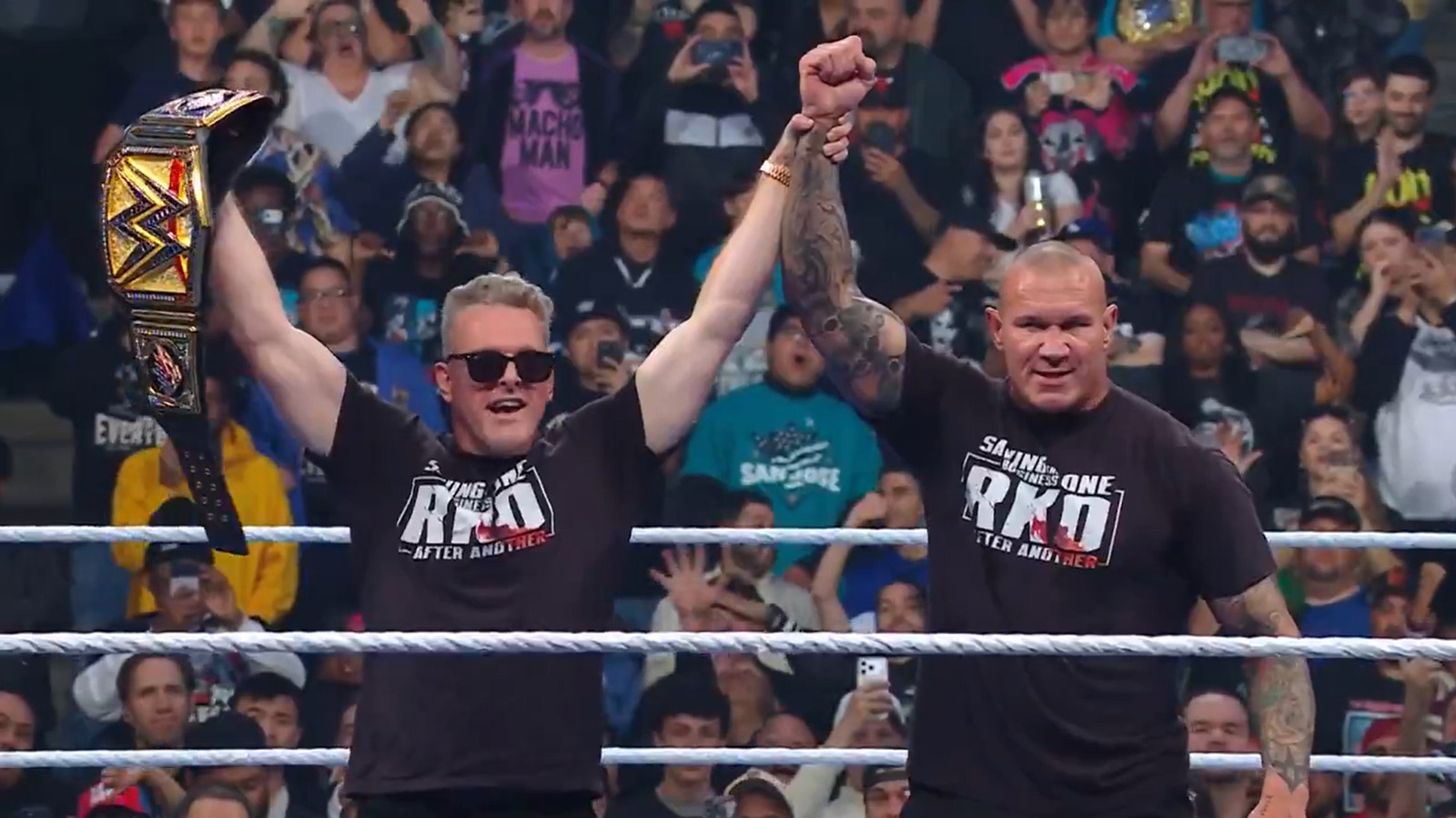
Instead, WWE gave us Pat McAfee.
Let me be perfectly clear. I do not hate Pat McAfee. He is fantastic at exactly one thing: yelling into a headset while someone does a springboard moonsault through a table. He brings a chaotic, unfiltered sports-radio energy to the commentary desk that works for a very specific type of match.
But he has absolutely no business being the focal point of a deeply serious WrestleMania main event build. None. Zero.
The mechanics of a trainwreck
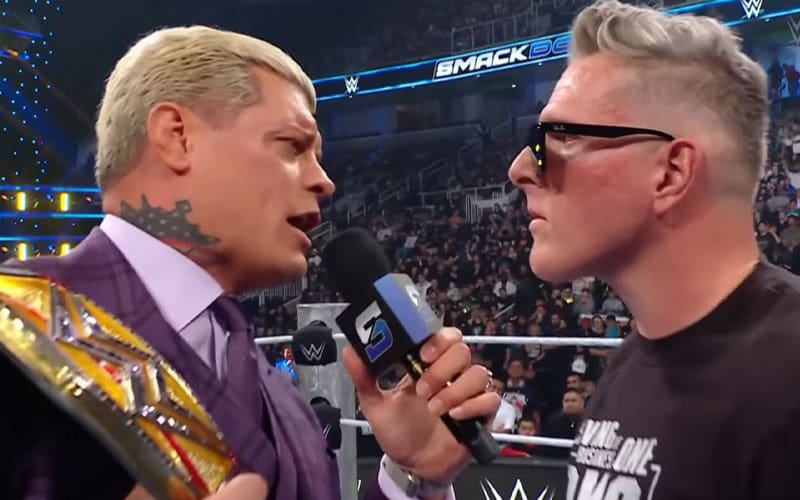
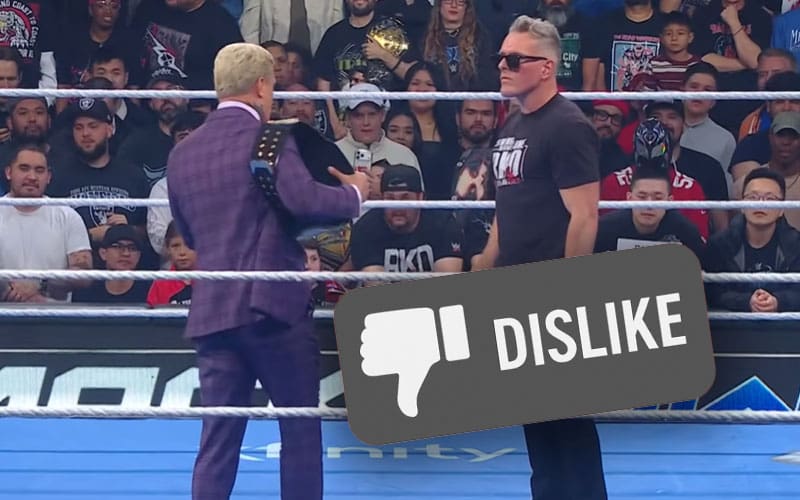
Friday night's SmackDown segment was a disaster class in tone management. You have the American Nightmare in a tailored suit, trying to convey the gravity of defending his title at Allegiant Stadium. You have Orton doing his slow, methodical Viper pacing, looking like he wants to legitimately murder someone. The crowd is hushed. The tension is thick.
And then here comes McAfee, bouncing around the ring in a tank top like a guy who just chugged three Celsius energy drinks in the parking lot.
It was agonizing to watch. As Ringside News documented, social media immediately and rightfully tore the entire segment to pieces. The backlash was instantaneous. You could practically see the air leave the arena on the broadcast. Fans aren't stupid. They know when they are being spoon-fed a manufactured viral moment, and they rejected this one outright.
Why did it fail so spectacularly? Because wrestling psychology relies entirely on emotional stakes. If the characters in the ring don't take the situation seriously, the people sitting in the third row won't either.
Cody Rhodes was trying to cut a promo about legacy and survival. Randy Orton was preparing to deliver a cold, calculating threat. These two have a shared history spanning over a decade in this company. They don't need a hype man. They don't need a moderator asking them how they feel.
McAfee's constant interjections completely derailed the pacing. Every time Cody built up to a crescendo, McAfee would chime in with some frat-house level observation that absolutely nuked the gravitas of the moment. It was the equivalent of watching a tense standoff in a mafia movie, only for the boom mic operator to drop through the ceiling and start doing the Macarena.
Triple H's recurring blind spot
We need to have an honest conversation about the current creative regime. The Paul Levesque era is lightyears better than the late-stage Vince McMahon era. The long-term storytelling is coherent. The matches mean something. We aren't getting three-minute disqualification finishes every week.
But this regime has a massive, glaring blind spot when it comes to celebrity involvement and forced synergy.
They are terrified of silence. They are terrified of letting a moment just breathe. Sometimes, they get so wrapped up in trying to create a clip for TikTok that they actively self-sabotage the television product. Throwing McAfee into the ring with Rhodes and Orton wasn't a creative decision. It was an engagement play. They wanted the McAfee Show audience to see a clip of Pat standing between the two biggest stars on SmackDown.
Instead, they got a segment that completely cooled off the hottest feud on the blue brand. It was a classic case of prioritizing the algorithm over the actual narrative.
The timeline on X was an absolute bloodbath. Fans were explicitly calling out the tonal whiplash. You cannot spend three months building Orton up as a sadistic, calculating threat, only to have him stand there silently while a podcast host jumps around him yelling catchphrases. It neuters the heel. It makes the babyface look like a geek for tolerating it.
Disrespecting the audience
Let's rewind for a second and look at exactly what WWE risked throwing away here. The dynamic between Rhodes and Orton isn't just another title program. It is the culmination of a masterclass in long-term booking.
Back in 2009, Randy Orton was the undisputed top heel in the industry, and Cody Rhodes was his lackey in Legacy. Orton physically and mentally abused Rhodes for years on television. Fast forward to 2026. Cody is the face of the company. Orton is the aging gunslinger looking for one last ride at the top. The psychological layers to this matchup are endless.
Orton is jealous of what his former protege has become. Rhodes is desperate to finally step out of the shadow of the man who tormented him early in his career. This is premium, top-shelf wrestling storytelling. It is the exact kind of high-stakes drama that built this industry.
When you inject Pat McAfee into that equation, you aren't just ruining a single segment. You are actively disrespecting the intelligence of the audience who invested years into understanding this dynamic. The fans ripping this segment on social media weren't just the usual internet complainers. They were die-hard viewers who felt cheated out of a serious confrontation.
I saw hundreds of comments pointing out how visibly frustrated Orton looked. Now, maybe he was working. Maybe playing annoyed was part of the bit. But when the audience is more focused on whether the talent is legitimately annoyed with the segment than they are on the upcoming championship match, your angle has failed.
Salvaging the go-home week
WWE has spent the last two years training its audience to expect cinema. We know what this company is capable of when they take themselves seriously.
That is exactly why Friday night felt like such a massive slap in the face. It felt like a regression. It felt like a ghost from 2018 possessed the booking sheet for 15 minutes. You simply cannot mix slapstick comedy with blood feud intensity and expect the audience to swallow it.
The fans are completely in the right here. The pushback against this segment is a healthy sign that the audience cares about the integrity of the main event scene. They want Cody to be treated like a serious champion. They want Orton to be treated like a lethal threat.
Triple H and the creative team need to take a hard look at the timeline, eat the criticism, and course-correct. We have exactly one more week of television to fix this.
WWE has to go into damage control mode immediately. The final SmackDown before the pay-per-view cannot feature any talk shows, any guest hosts, or any comedic relief. They need to strip this feud back down to its rawest elements. Keep McAfee at the desk where he belongs. Let him mark out for the entrances. Let him scream when someone hits a finisher. That is his role, and he is very good at it.
But keep him as far away from the physical storytelling as humanly possible. Eight days left. Don't screw this up.
Read Next
- Cody Rhodes and Randy Orton are burying their own WrestleMania momentum
- Damian Priest's outburst highlights a broader struggle for WWE screen time
- Pat McAfee's SmackDown surprise points toward a massive WrestleMania signing
- The San Jose reveal that could break the WrestleMania 41 main event
- 🏆 WrestleMania 41 — Full Coverage Hub