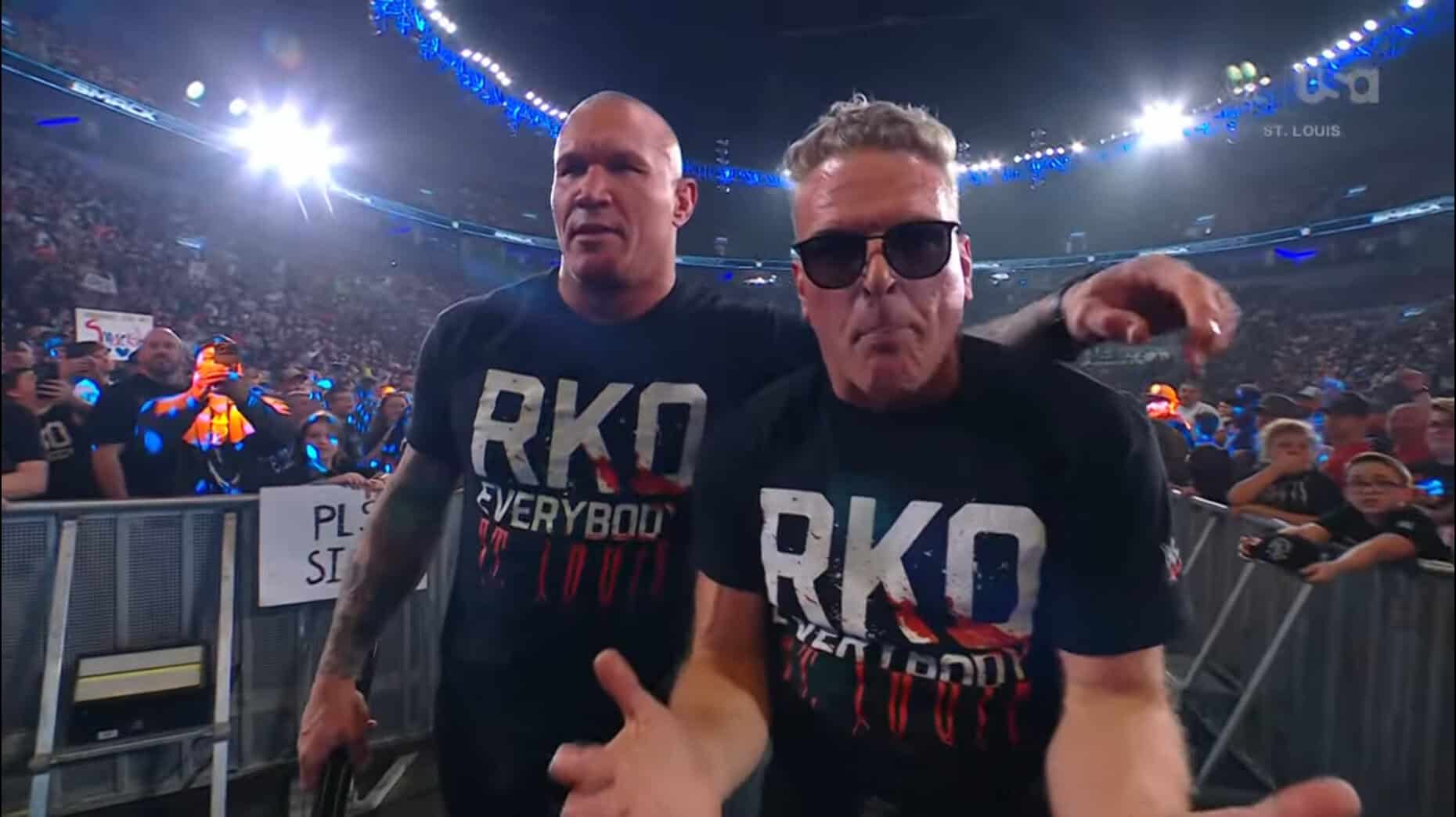
A spectacular misread of the room
WrestleMania 41 is exactly eight days away. The board is set. The pieces are moving into place. We are staring down the barrel of the biggest weekend of the wrestling calendar in Las Vegas. You have Cody Rhodes holding the gold. You have Randy Orton, a certified psychopath with a history of betraying everyone he has ever loved, standing across from him. This is the match. This is the money.
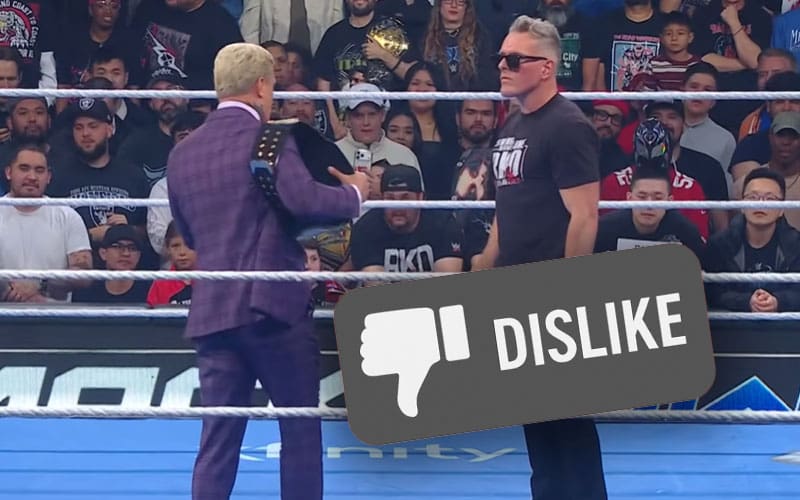
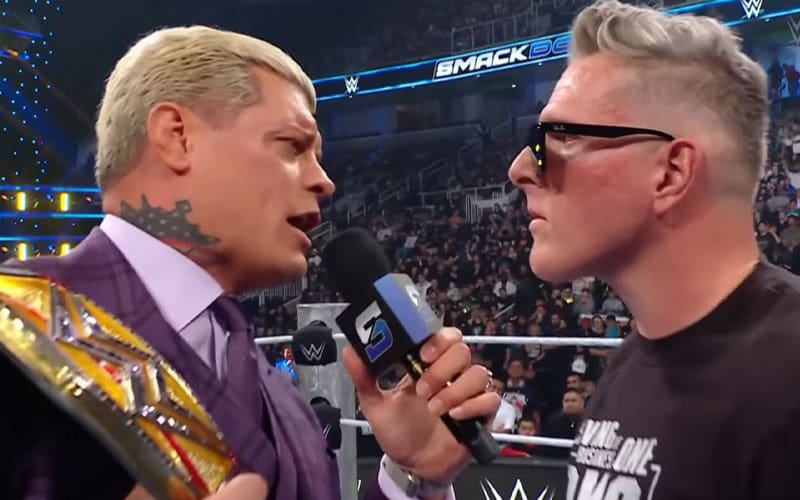
So what does WWE do on the second-to-last SmackDown before the showcase of the immortals? They send Pat McAfee out there with a live microphone and a mandate to turn a blood feud into a morning zoo radio show.
Look, I like Pat. We all like Pat. The guy brings an undeniable energy to the commentary desk. When he marks out for a return or stands on the desk playing air guitar, it works. It translates.
But there is a time and a place for the McAfee brand of frat-house enthusiasm. A contract signing or face-to-face confrontation between two men who absolutely despise each other is not that time. It is definitely not that place.
The history deserved better
Let's rewind for a second. The build to Rhodes versus Orton has been mostly excellent. It relies on a decade and a half of shared history. They were in Legacy together. Randy was the mentor. Cody was the lackey. Now the roles are reversed, and Orton's ego cannot handle it.
That is a story that writes itself. You don't need bells and whistles. You don't need a talk show set with branded coffee mugs and a hype man wearing a tank top.
Friday night's SmackDown segment was a spectacular misread of the room by the creative team. The crowd in the arena knew it instantly. The internet knew it before the segment was even over. Instead of tension, we got banter. Instead of an intense staredown, we got Pat trying to get the crowd to chant something mildly amusing but completely irrelevant.
Randy Orton is a performer who thrives in the negative space of a promo. He doesn't need to yell. He drops his voice. He takes his time. He lets the silence do the heavy lifting.
When Orton tells you he is going to end your career, you believe him because he says it like he's ordering a black coffee at a drive-thru. Cold. Detached. Sociopathic.
Cody Rhodes operates on the opposite end of the spectrum, but it works just as well. Cody is pure emotion. He wears tailored suits, gets slightly red in the face, and talks about his family, his legacy, and his duty to the fans.
When you put those two polar opposites in a ring together, the chemistry is built-in. Fire and ice. Emotion and detachment. Then Pat McAfee bounces down the aisle, completely ignoring the tonal shift required for a main event WrestleMania program.
The live crowd turns hostile
The live crowd in the arena turned on it fast. You could hear the murmur start in the second tier and roll down to the ringside seats. It wasn't the fun, interactive booing of a great heel. It was the restless, annoyed hum of an audience that knows they are being served filler.
When a wrestling crowd decides a segment isn't working, they are ruthless. They don't politely sit on their hands. They actively hijack the moment. We saw it happen in real-time on Friday night.
McAfee tried to pivot. You could see the realization hit him that the usual tricks weren't working. The loud interjections. The table slaps. None of it registered. The crowd just wanted Cody and Randy.
The reaction online was brutal, and frankly, completely justified. Fans on social media ripped the segment apart. It felt forced. It felt like corporate branding run amok. It felt like someone in a boardroom decided that Pat's demographic reach meant he needed to be injected into the top angle on the show.
The psychology of a blood feud
Think about the psychology of this matchup. Randy Orton literally taught Cody Rhodes how to be a main eventer. Back in the late 2000s, Legacy was the vehicle that elevated Cody from a midcard tag team wrestler into a credible threat.
Orton was the cruel taskmaster. He abused Cody. He kicked him in the head. He treated him like dirt. Cody took it because he wanted to learn from the best. It has been almost 15 years since that dynamic was established.
Now, Cody is the undisputed guy. He is the one holding the championship. He is the one carrying the company banner. Orton's entire motivation is pure, unadulterated jealousy. He cannot handle the fact that his former apprentice has eclipsed him.
It eats at him. It destroys him. That is a deeply personal, violent narrative. So why, in the name of all that is holy, would you frame that narrative around a wacky interview format?
Michael Cole and Corey Graves tried to save it on broadcast. They tried to sell the gravity of the situation. But you can only do so much when the visual on your screen is a guy jumping around while two bitter rivals stand around waiting for their cue.
It exposes the seams of the business. Pro wrestling requires a suspension of disbelief. We all know we are watching a performance, but we agree to buy into the illusion because the performers take it seriously.
When you introduce elements that break that illusion, that make it feel like a promotional vehicle rather than a blood feud, you lose the audience instantly.
Selling danger to the casuals
Let's talk about the television audience for a second. The ratings for SmackDown have been stellar all year. The core audience is engaged. But you are also trying to hook the casual fans who only tune in during WrestleMania season.
When a casual fan flips on television on Friday night, they want to see a reason to buy the premium live event. They want to see two guys who look like they want to murder each other over a piece of gold.
Instead, they saw a daytime television parody. They saw a guy in a tank top yelling into a microphone while the actual stars of the show stood around looking slightly embarrassed. It is a terrible first impression for the most important time of the year.
You don't see the UFC promoting a Jon Jones fight by having Joe Rogan host a wacky game show in the octagon. You don't see boxing promoters throwing a comedy roast before a heavyweight title fight.
Combat sports, even the scripted kind, rely on the illusion of danger. You have to believe that when the bell rings, someone is going to get hurt. That tension is the entire selling point.
We all know what this match is going to be. Cody is going to hit the Cody Cutter. Orton is going to hit the draping DDT. We are going to get at least two massive false finishes. Someone is going through a broadcast table.
There will be an RKO out of nowhere that makes seventy thousand people jump out of their seats. The match itself is practically guaranteed to deliver.
Which makes the creative laziness of the television build so frustrating. WWE has the easiest job in the world right now. Just let them cook. Let Randy be the cold-blooded snake who punted heads in 2009. Let Cody be the triumphant hero.
Ghosts of the old regime
WWE has been on an absolute creative tear recently. The Triple H era has been defined by long-term storytelling, logical character arcs, and a renewed focus on in-ring action.
But every now and then, the ghost of the old regime rears its head. The urge to over-produce. The desperate need to force a viral clip rather than letting the moment happen naturally.
This SmackDown segment was a glaring example of that old instinct. It felt like a Vince McMahon idea, dusted off and shoved into a Triple H storyline. It reminded me of the build to WrestleMania 25.
Triple H and Randy Orton had the hottest angle in the company back then. Home invasions. RKOing Stephanie McMahon. It was visceral. It was violent. Then they got to the match itself, and WWE added a stipulation where if Triple H was disqualified, he lost the title.
Suddenly, a blood feud became a technical wrestling match with rules and constraints. It killed the heat dead. Friday's segment had that same terrible energy. You take a volatile, dangerous situation and you domesticate it.
You put it on a talk show set and ask everyone to hit their marks and smile for the camera. It is a complete misunderstanding of what makes people pay for pay-per-views.
Looking ahead to Vegas
WrestleMania 41 is supposed to be the culmination of a massive journey. Allegiant Stadium in Las Vegas. We are talking about legacy-defining moments for everyone involved.
Cody Rhodes has carried this company on his back as the top babyface. He has done the media scrums, the morning shows, the endless meet-and-greets. He is the face of the franchise. He deserves a serious angle.
Orton is the ultimate final boss. He is doing some of the best character work of his entire career, moving with a deliberate menace that only a twenty-year veteran can pull off. He deserves a serious opponent.
They deserved better than a comedy segment so close to the biggest show of the year. The fans deserved better too. If you look at the greatest go-home angles in wrestling history, they all share one common trait. Simplicity.
Stone Cold and Tyson pulling apart in the ring. The Rock and Hogan staring at each other in Toronto. CM Punk and John Cena trading verbal haymakers in Chicago. You put the two stars in the ring. You let them talk. You let them fight. You get out of the way.
The production truck needs to realize that sometimes less is more. You don't need a host. You don't need a moderator. You just need a microphone and two guys who know what they are doing.
Pat McAfee is incredibly talented. His matches have exceeded expectations. His commentary is wild and unpredictable. But he is a flavor enhancer, not the main course. When you pour hot sauce all over a prime rib, you ruin the steak.
The good news is that wrestling fans have short memories when the bell rings. Once Cody and Randy are standing across from each other in Las Vegas, the awkwardness of this SmackDown segment will be forgotten.
But it should serve as a massive red flag for the booking committee. Don't overthink the big moments. Trust your top guys to sell the fight. We are heading into the final week of the build. Next week's SmackDown is the true go-home show.
WWE has one more chance to get this right. Keep it simple. No talk shows. No guest hosts. No forced banter. Just the champion, the challenger, and the tension of a match that could steal the entire weekend.
Read Next
- WWE's Andre the Giant battle royal has become a Friday night afterthought
- Rhea Ripley and Bianca Belair are about to save WrestleMania 41 Night 1
- Wrestling Merch Worth Your Money Before WrestleMania 41
- WWE and TNA are spiraling into chaos and I love every second of it
- 🏆 WrestleMania 41 — Full Coverage Hub