The shadow over professional wrestling
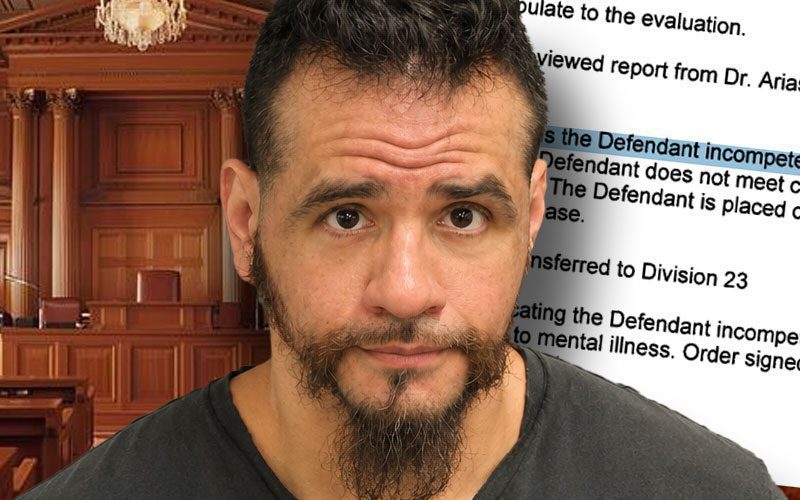
The squared circle is an escape, but the legal reality outside of it often pierces that illusion. As PWInsider reported, the legal proceedings involving Shawn Chan, the man accused of stalking Liv Morgan, are moving forward. This is not a storyline. It is a grim reminder that performers live under threats that professional security details must mitigate constantly.
Chan’s appearances at Morgan’s home were not isolated incidents. They represent a dangerous trend of parasocial behavior that has shadowed high-profile talent for decades. Fans often blur the lines between their investment in a character and the private existence of the human portraying them.
Tactical security failures in the spotlight
Monitoring these threats requires a level of vigilance that promoters rarely discuss. In this instance, the intrusion reached a point where legal intervention became the only viable path. The prosecution of such cases sends a necessary message, but it also highlights a failure in fan-performer boundaries that has worsened in the social media era.
When a stalker reaches a residence, the infrastructure of protection has already failed. Analysts of the industry recognize that when performers like Liv Morgan are targeted, it compels the promotion to reassess how they handle house addresses and public appearances. It is a massive oversight to assume that status alone shields someone from targeted harassment.
The impact on the locker room
Beyond the legal mechanics, the psychological toll on the locker room is significant. Performers are expected to maintain an accessible public persona to drive engagement and merchandise sales. However, cases like this make that openness a genuine liability.
The industry needs to shift its focus. Managing the safety of the roster is as mandatory as the booking of the main event. If the organization allows these boundary violations to persist without significant consequence, it risks normalizing a culture where talent is treated as public property rather than as employees with fundamental rights to privacy.
The bottom line
Observers should follow the trial developments to understand how the court defines the limit of protected obsession. The legal system must provide a clear deterrent. If juries do not treat these intrusions with the gravity of criminal acts, the safety of many performers in the business remains at risk. Expect this case to set a precedent for how future claims are handled by both the company and the law.