The end of the Chan federal case
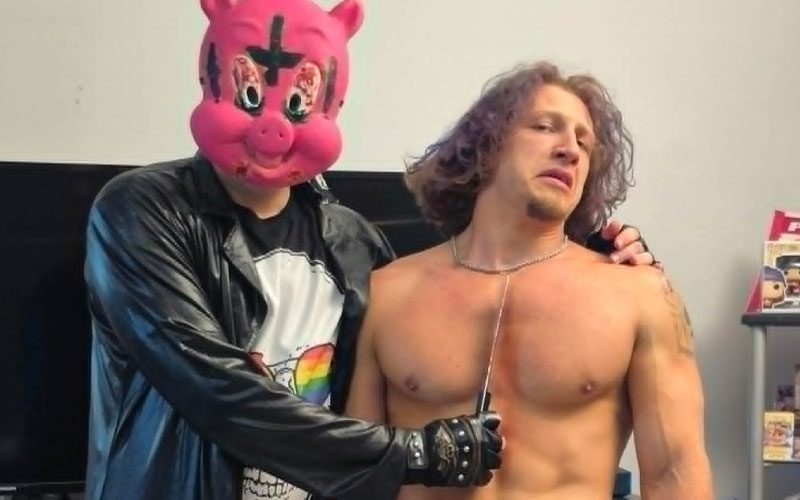
A federal judge delivered a final verdict this week regarding the individual arrested for stalking Liv Morgan. Shawn Chan, the Canadian national initially charged with severe harassment of the WWE superstar, was found not guilty by reason of insanity.
The legal proceedings concluded after evidence established a clear mental health crisis. Rather than serving a prison sentence, the court ordered Chan into long-term psychiatric confinement. This resolution closes a high-profile security breach that has persisted since his attempts to locate Morgan at her residence last year.
Security gaps in the era of fan access
This case highlights the recurring vulnerability wrestlers face as public figures. While physical training prepares talent for the ring, few are equipped for the systematic intrusion of privacy that occurs when fan obsession crosses into stalking. WWE security protocols have tightened significantly in response to these high-profile incidents.
Tracking similar precedents, the industry has seen improved measures since the tragic events involving Sonya Deville in 2020. That situation forced a shift toward private protection for performers when traveling. Morgan’s case remains a reminder that the legal system's management of stalking charges often leaves wrestlers in a state of constant, heightened alert, regardless of the final verdict.
The mental tax on in-ring performance
Operating under the shadow of a genuine threat affects a performer's focus during high-intensity booking cycles. Critics have noted that Morgan’s recent ring work, while technically sound, often lacked the aggressive flair seen in earlier championship runs. Constant anxiety regarding security does not facilitate the creative freedom required for peak athletic performance.
With the legal status of the perpetrator now settled as a psychiatric case, Morgan can move forward without the recurring stress of pending court dates. However, the industry remains concerned about the reach of digital-age stalkers. Proximity is no longer a requirement for harassment, given how easily personal data travels online.
Strategic shifts for performer safety
WWE booking schedules are notoriously grueling, making private security a logistical nightmare. Moving performers between cities every 48 hours complicates protection efforts. Yet, the company has begun prioritizing hotel security vetting more strictly than in previous decades.
The shift from an era where wrestlers were easily accessible at bars or public gyms to the current status of high-security isolation is now total. This development marks a mature, if unfortunate, evolution in the sport. The legal outcome suggests that while the system recognizes the gravity of the danger, prevention remains entirely dependent on the talent’s own defensive investments.
Analyzing the legal precedent
Findings of not guilty by reason of insanity are rare in celebrity stalking cases. Most result in plea deals that include years of supervised probation or prison time for felony stalking. The court's decision in the Chan case suggests the evidence of mental instability was profound enough to negate the possibility of standard incarceration.
This outcome puts the ball back in the court of law enforcement to monitor the defendant post-confinement. If he manages to bypass the facility's oversight, the narrative risks repeating itself. For Morgan, the return to normal life is not just a personal goal; it is a necessity for her career longevity.
Ultimately, this case serves as a blunt instrument of reality for the entire roster. Physical toughness does not equate to immunity from criminal harassment. The industry’s willingness to handle these external pressures mirrors the evolution of the sport itself: from a wild west of independent contractors to a highly scrutinized corporate entity.