
The legal reality of WWE's high-profile fan stalker case
Security realities versus the wrestling spotlight
The arrest and subsequent legal gears grinding for the individual accused of stalking Liv Morgan serve as a jarring reminder of the thin line between parasocial obsession and criminal activity. On August 24, 2023, the individual was apprehended at Morgan's home, marking a terrifying escalation of what had been months of digital harassment. It is an uncomfortable reality for talent who spend years building intimate, pseudo-personal connections with millions of viewers across broadcast and social platforms.
The courtroom proceedings have been pushed forward, with a trial date confirmed for the individual following their indictment. As reported by PWInsider, the legal process is now firmly in motion. While the industry thrives on the accessibility of its performers, this case proves that the physical safety of wrestlers is often challenged by those who cannot distinguish between the television character and the private citizen.
The cost of the performer-fan dynamic
We often talk about the physicality of the ring. We analyze the 450-degree splash or the technical mastery of a chain-wrestling sequence. Rarely do we account for the security footprint required when that work ends. The reality is that for every fan asking for a selfie at an airport, there exists a darker, more intrusive segment of the fanbase that interprets accessibility as ownership.
Liv Morgan is one of the most prominent performers in the company. Her screen presence requires a level of vulnerability that makes her susceptible to precisely this type of intrusion. It is a failure of the broader culture of fandom that this is even a discussion topic. When the barriers dissolve, the talent pays the price with their personal autonomy.
The booking and security disconnect
There is a cynical view that the company treats these security issues as side-notes to the larger booking narrative. That is a mistake. If the industry wants to treat performers as massive, globally recognized assets, then the security apparatus must evolve beyond local venue personnel and standard arena protocols. The current trial process highlights that once a violation occurs, the company is often reactive rather than proactive.
Legal proceedings in these cases rarely provide closure for the victim; they simply facilitate a verdict. The real work happens in the silent moments when a performer has to check their home security cameras before walking out the front door. It is a grim contrast to the high-energy, pyrotechnic-filled spectacles we see on television. The sport we love loses its luster when its stars are forced to exist behind a wall of protective litigation.
AEW Unrivaled Series 17 - Adam Copeland
The Rated-R Superstar brings his edge to the AEW Unrivaled line.
Frequently Asked Questions
What happened during the stalking incident involving Liv Morgan?
What is the status of the legal case against Liv Morgan's stalker?
Why are WWE stars at a higher risk of fan harassment?
How does the article suggest WWE should improve performer security?
What impact does stalking have on WWE performers?
More Coverage
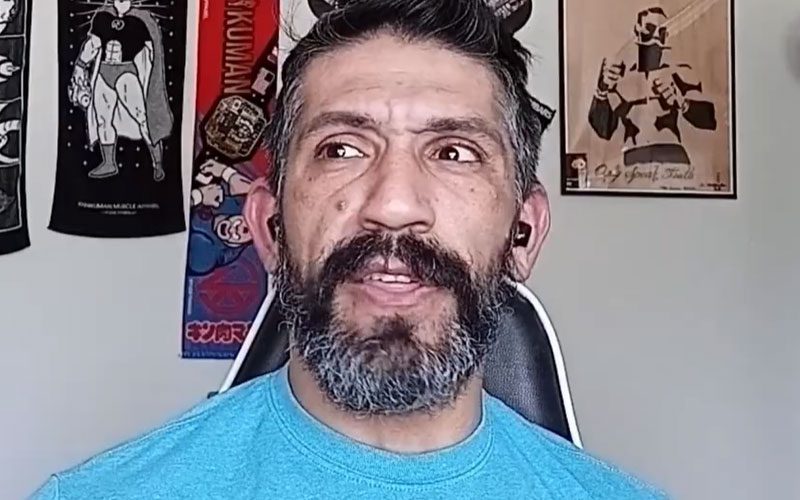
Wrestling legends are human and we need to stop pretending otherwise
an hour ago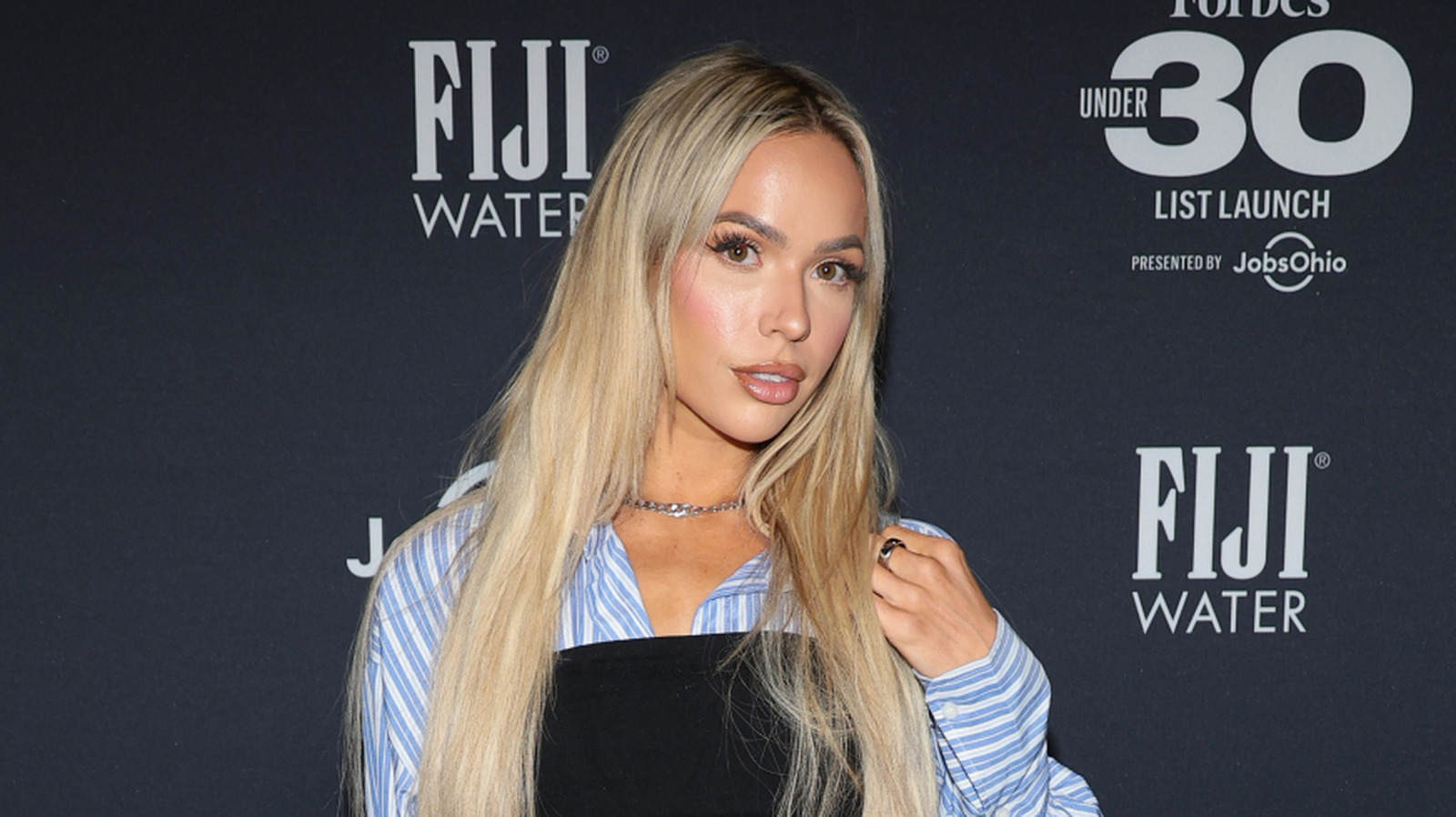
Vince McMahon stories are still the weirdest thing in wrestling
an hour ago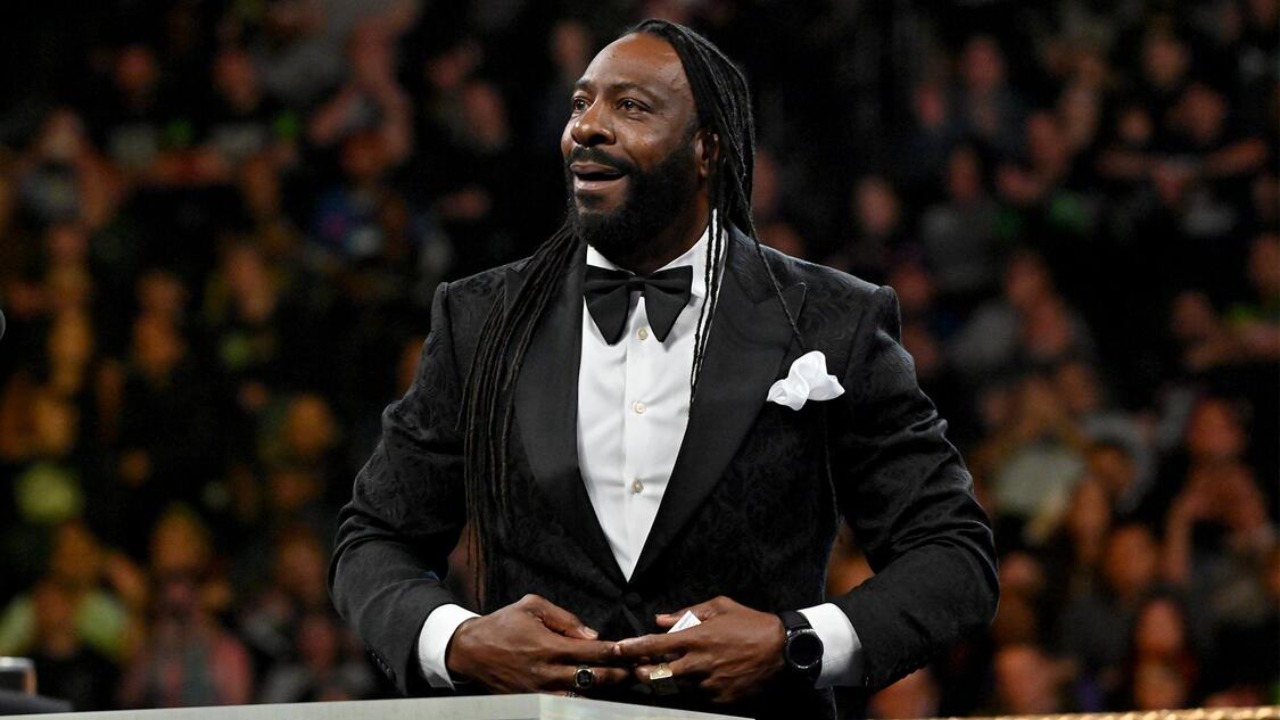
Trick Williams is pushing the boundaries of his NXT character
an hour ago
WWE injury report: Assessing the current roster physical attrition
an hour ago
Trick Williams is playing a dangerous game with Booker T
an hour ago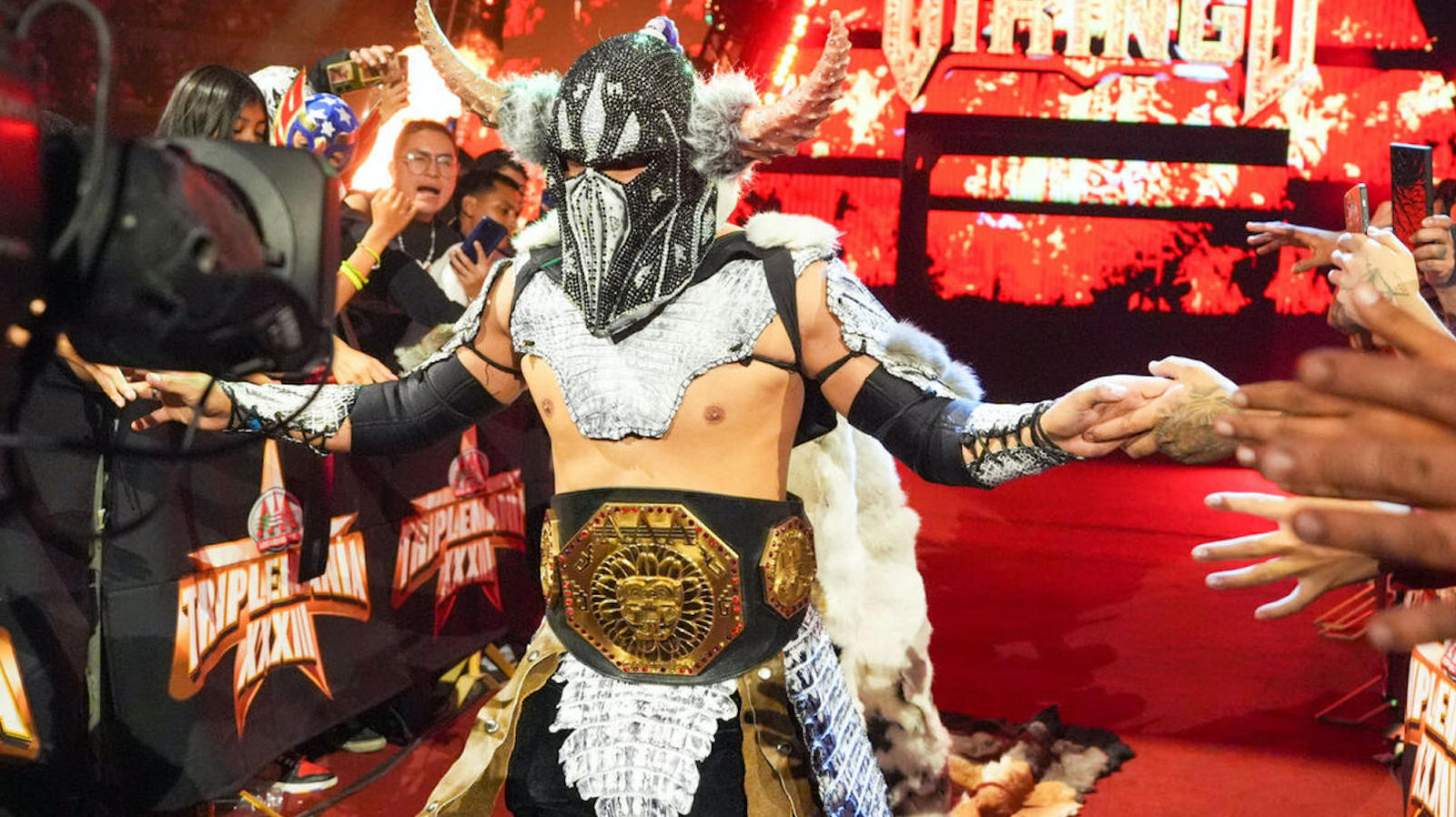
Hijo Del Vikingo faces 9-month recovery timeline following knee surgery
an hour agoMore Analysis
Outside the ring: Why the Liv Morgan stalker trial matters
1 month, 1 week agoWhy the Liv Morgan stalker case reveals WWE's broken safety system
2 weeks ago
The shadow of legal trouble looms over WWE performance metrics
1 month ago
Stalking case against WWE champion Liv Morgan concludes with insanity verdict
1 month agoLiv Morgan stalking trial set for next week: What to know
1 month, 1 week ago