The Osaka standard remains defiant in the face of stagnation
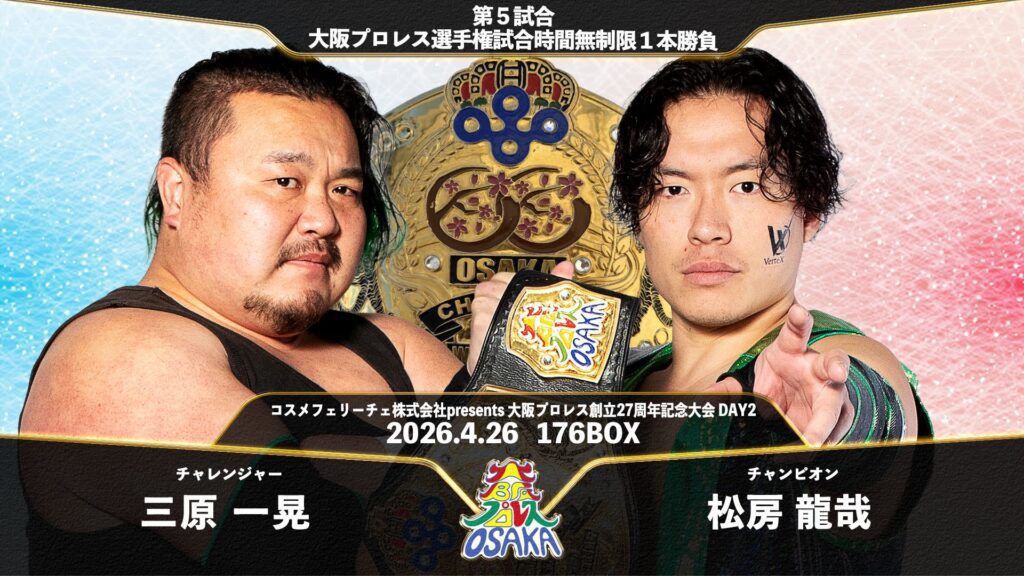
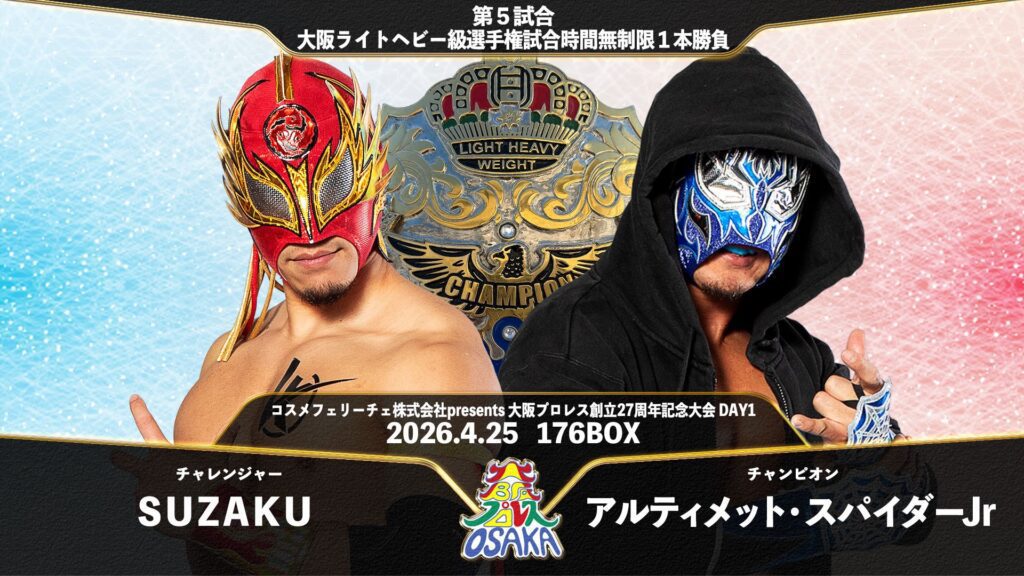
Osaka Pro Wrestling has always been the outlier of the Japanese indie scene. Founded on the colorful, character-driven vision of Super Delfin, it survived the collapse of the early 2000s boom and the shifting sands of the pandemic era. Now, as it celebrates its 27th Anniversary at the 176 Box in Osaka, the promotion is grappling with a familiar identity crisis: how to balance its legendary comedy roots with the high-octane technicality required by the 2026 audience.
Night 1 of the anniversary weekend provided some answers, though perhaps not the ones management expected. The headline result saw Tiida topple the Meibutsu Sekaiichi Champion, Takoyakida, in a non-title match that lasted a brisk 9:30. While some might scoff at a sub-ten-minute main event for such a significant milestone, the brevity served a specific purpose. This was a sprint designed to showcase Tiida’s explosive offense and, more importantly, to expose the vulnerabilities of a champion who might be leaning too heavily on his veteran status.
The Diving Stunner that ended the contest was a clinical execution. Tiida is a performer who thrives on momentum, and by catching Takoyakida in the middle of a transition, he proved that the Meibutsu Sekaiichi title—often treated as a secondary or comedy prize—demands a level of focus that the incumbent simply didn't bring to Osaka on Saturday night. If this sets up a title match for Night 2 or the following tour, Takoyakida will need to ditch the theatrics and return to the fundamentals that made him a mainstay in the first place.
The veterans are still holding the line
While the youth movement is making noise, the 8-man tag match on Night 1 was a masterclass in regional indie psychology. Kazuaki Mihara, Tsubasa, Kuukai, and the legendary HUB took on the Rouge Nation stable in a match that anchored the mid-card. HUB remains one of the most fascinating figures in Japanese wrestling. Whether you knew him as Super Dolphin or follow his current tail-swinging incarnation, his ability to manipulate space and timing at his age is nothing short of incredible. He doesn't waste a single step, every movement is calculated to either draw heat or set up a devastating counter.
Rouge Nation, led by Yasutaka Okayama, continues to be the primary antagonist force in the promotion, but they looked uncharacteristically disorganized here. According to the official results from BodySlam.net, the veteran team secured the win, which puts the heel faction in a precarious position heading into the rest of the anniversary celebrations. Usually, you expect the villains to ruin the party during an anniversary show. Instead, they were picked apart by the precision of Tsubasa and the sheer power of Mihara. It was a feel-good moment for the Osaka faithful, but it raises questions about Rouge Nation's actual threat level in 2026.
Mihara, in particular, looked like a man who belongs in a much larger arena. His lariats have a visceral impact that resonates even in a small room like 176 Box. He provides the physical gravity that Osaka Pro often lacks when it veers too far into the 'comedy' lane. If the promotion wants to expand its reach beyond the local hobbyist crowd, Mihara needs to be the centerpiece of a serious, high-stakes heavyweight division. His presence in an 8-man tag feels like a bit of a waste of his current peak years, even if it adds prestige to the anniversary card.
The venue problem and the ceiling of 176 Box
We need to talk about the choice of venue. Holding a 27th Anniversary show inside 176 Box feels like a lack of ambition. For a promotion with this much history, you want to see them in the Edion Arena #2 or even a larger hall in central Osaka. The 176 Box is a fine venue for a mid-week developmental show, but it lacks the atmosphere required for a major milestone. The acoustics are flat, and the lighting often fails to capture the vibrancy of the masks and gear that define the Osaka Pro aesthetic. It feels like the promotion is playing it safe when they should be swinging for the fences.
This 'safe' approach also bleeds into the match lengths. Aside from the main tag, most of the bouts on Night 1 felt like they were over before they truly hit second gear. Technical wrestling requires time to breathe. You cannot build a compelling narrative in 9 minutes if you are also trying to fit in three comedy spots and a double-down. The talent is there, but the booking feels rushed, as if they are afraid the audience will lose interest if a match goes past the 15-minute mark. It is a disservice to the technical skills of someone like Kuukai, who has shown flashes of brilliance when given the room to work.
The lack of a serious heel resurgence is also a concern. Rouge Nation should have decimated the veterans to set up a 'must-win' scenario for the babyfaces on Night 2. Instead, they took a clean loss. While the fans in the building enjoyed seeing their heroes win, it kills the tension for the upcoming shows. Wrestling is built on conflict, and right now, the conflict in Osaka Pro feels a bit too polite. There is a fine line between a celebration and a self-indulgent victory lap, and Night 1 leaned dangerously close to the latter.
Looking ahead to the Night 2 fallout
With Tiida holding a pinfall victory over the champion, the path forward is clear. We are looking at a title match that will define the summer for the promotion. Tiida represents a more modern, athletic style that could potentially draw in younger fans who are currently obsessed with the high-flyers in Dragon Gate or NOAH's junior division. Takoyakida represents the 'old' Osaka Pro—the one that prioritizes character work and localized humor. It is a clash of philosophies as much as it is a clash of athletes.
The 8-man tag veterans will likely be split into smaller, more focused matches. I expect to see HUB and Tsubasa in a tag title hunt, as their chemistry remains the gold standard for the region. As reported on April 25th, the momentum is firmly with the established legends, but they cannot hold the fort forever. The promotion needs to find a way to transition that heat to the younger Rouge Nation members before the anniversary tour concludes, or they risk becoming a nostalgia act that refuses to look at the calendar.
My prediction: Tiida will not just challenge for the title; he will win it. The Diving Stunner wasn't a fluke. It was a telegraph of a changing of the guard. Takoyakida has had a respectable run, but the promotion needs a champion who can work 20-minute main events that feel like genuine struggles. Tiida has the lungs and the move-set to do it. If they pull the trigger now, they can spend the rest of 2026 building a new era around him. If they stick with the status quo, they'll be back in 176 Box next year with the same 300 fans, watching the same matches, wondering why the rest of the wrestling world has moved on.
Osaka Pro is at a crossroads. The 27th Anniversary should be a springboard, not just a birthday party. They have the roster, they have the history, and they clearly have the technical capability. What they need now is the courage to be more than just 'the Osaka promotion.' They need to be a wrestling promotion that happens to be in Osaka. The difference is subtle, but it is everything. Ownership needs to stop booking for the 300 people in the room and start booking for the thousands who are watching the highlights online. The Tiida win is a good first step, but the follow-through is where the real work begins.