WWE just threw away the best tag team coaching staff they never used
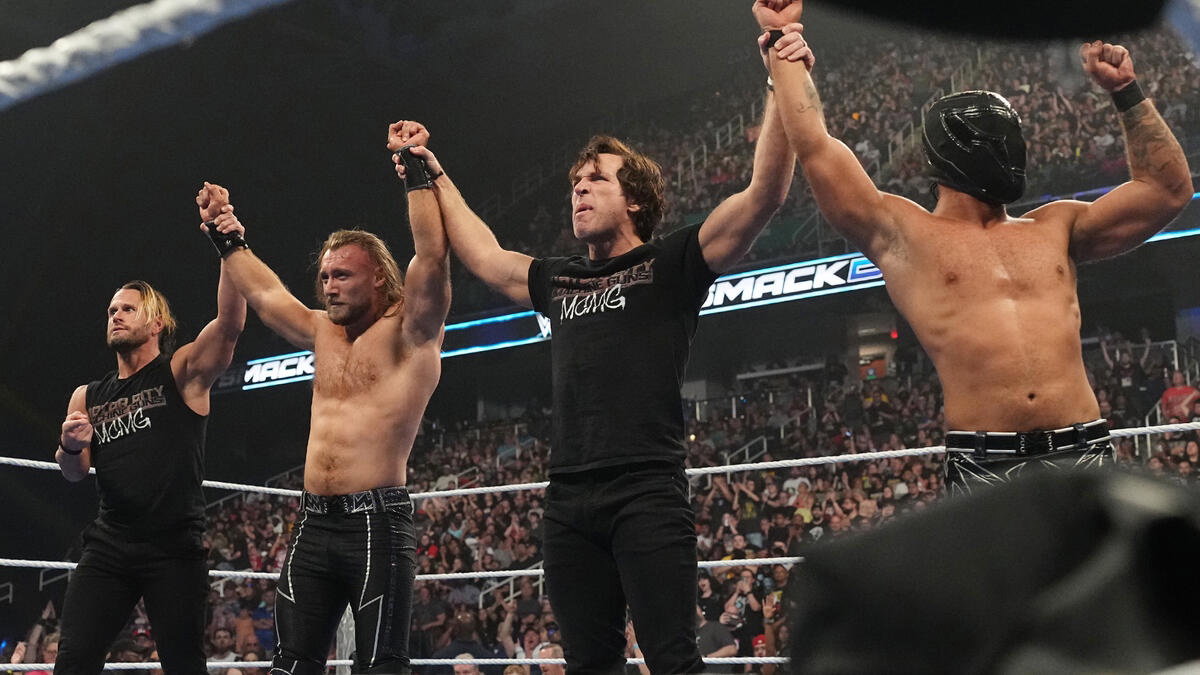
The Friday purge and the loss of the Detroit blueprint
The timing was as cold as the corporate efficiency that dictated it. On Friday, April 24, 2026, while the wrestling world was still deconstructing the fallout from WrestleMania 41, WWE quietly severed ties with the Motor City Machine Guns. Chris Sabin and Alex Shelley, two men who effectively authored the manual for modern tag team geometry, were suddenly gone.
For the fans watching at home, it might look like a simple roster trim. For the talent in the locker room, specifically those in the NXT ecosystem trying to find their footing in a high-speed division, it feels like a library being burned down. Nathan Frazer was the first to speak up, and his words weren't the usual PR-approved platitudes we see after a release cycle.
Frazer described the departure as leaving a gap that will never be filled. He didn't just call them coworkers; he called them friends and brothers. That is a heavy designation in a business built on transient relationships. It signals that Sabin and Shelley weren't just taking up space on a catering table; they were actively shaping the next generation of speed-based wrestling.
The tragedy of this release isn't that the Machine Guns won't find work elsewhere. They are legends who will be booked by every major promotion in Japan and the US within 24 hours. The tragedy is that WWE had the premier architects of the current 'sprint' style under their roof and seemingly didn't know what to do with them once the initial novelty wore off.
The mechanics of the Motor City style
To understand why Nathan Frazer is so gutted, you have to look at the tape of what Sabin and Shelley brought to the ring. Most tag teams operate on a binary system: one man is legal, the other waits. The Machine Guns operated on a fluid, synchronized system that prioritized the 'illegal' man as much as the legal one.
They pioneered the use of the assisted dropkick and the sandwich-style offense that is now a staple for teams like Frazer and Axiom. When you watch Frazer hit a rolling elbow into a standing moonsault, you are seeing DNA that was mapped out in Detroit twenty years ago. Sabin provided the explosive verticality while Shelley provided the technical, limb-focused transition work.
In the ring, their pacing was built on 10-minute bursts that felt like thirty. They understood that in a three-act match structure, the second act shouldn't just be a chinlock. It should be a series of escalating double-teams that force the opponent to react to two threats simultaneously. WWE's tag division often struggles with this 'static' problem where nothing happens until the hot tag.
“As people, as friends, as brothers, the gap they leave behind will never be filled,” Nathan Frazer wrote in his tribute to the departing veterans.
Frazer’s grief is tactical as much as it is personal. If you are a young flyer in NXT, who do you go to for advice on how to protect your knees during a 450 splash? You go to Chris Sabin. If you want to know how to make a hammerlock look like a lethal submission, you talk to Alex Shelley. By releasing them, WWE didn't just lose two performers; they lost two masterclasses.
The systematic failure of the veteran gatekeeper role
We have to be critical of how WWE manages veteran talent that isn't homegrown. There is a recurring pattern where world-class performers are brought in, given a three-week push of 'They’re finally here!', and then shuffled into the background. Sabin and Shelley were essentially treated as high-end enhancement talent for a division that is currently starving for identity.
The irony is that WWE’s main roster tag division is currently a mess of thrown-together singles stars. Meanwhile, a team that spent two decades perfecting the art of being a unit was sitting in the back or working short matches on secondary programming. It is a massive waste of resources to hire the best in the world and then ask them to wrestle like everyone else.
The 'WWE Style' often demands a slowing down of the action to accommodate television cameras and commercial breaks. While that works for giants, it neuters the very thing that makes the Machine Guns special. Their value lies in the chaos. When you force Alex Shelley to work a five-minute heat segment on a random Tuesday, you are using a Ferrari to deliver groceries.
Why the youth movement needs these ghosts
There is a school of thought in Orlando that the Performance Center can manufacture chemistry. It can't. Chemistry is forged in the grimy VFW halls and the international tours where Sabin and Shelley spent their youth. Frazer and Axiom have been trying to replicate that lightning in a bottle, and having the source material in the room was their greatest asset.
Without veteran anchors who understand the rhythm of a tag match, young teams tend to just do moves. They hit the big flip, they get the two-count, and they move on. There is no narrative tension in the spacing. Shelley was the master of the 'invisible' tag—positioning himself so perfectly that the referee couldn't tell who was legal, creating a psychological advantage for his team.
As WrestleTalk reported, the locker room reaction has been one of genuine shock. This wasn't a performance-based release. Both men can still go at a level that puts most of the main roster to shame. This was a balance-sheet decision that ignores the intangible value of locker room leadership and technical mentorship.
The geometric vacuum left in NXT
Look at the current NXT tag division. It is athletic, fast, and ambitious. But it is also undisciplined. You see teams missing their marks on double-down spots and failing to cut off the ring during a comeback. These are the nuances that Sabin and Shelley were reportedly coaching on a daily basis behind the scenes.
Frazer’s tribute suggests that the Machine Guns were the glue holding the technical standards together. When you remove that glue, the structural integrity of the matches will inevitably suffer. We should expect to see a slight regression in the complexity of tag matches in the coming months as the 'Machine Gun' influence fades from the daily training sessions.
WWE ended this run with zero titles for the Guns, which is perhaps the most damning stat of all. To have a team of that caliber and not even give them a token run with the NXT Tag Team Championships to validate their influence is a booking failure of the highest order. It suggests a lack of long-term vision for what the tag division should actually be.
The inevitable return to the independent circuit
While the WWE chapter is closed, the silver lining is that Chris Sabin and Alex Shelley are now free to be themselves again. We are likely going to see a return to the high-stakes, high-impact matches that defined their runs in TNA and Ring of Honor. The wrestling world outside of the WWE bubble is currently thriving, and the Machine Guns are the ultimate prize for any promoter.
They will likely end up in AEW or back in TNA, where the tag division is treated with more reverence than a mid-card afterthought. They will be able to work 20-minute epics without having to worry about 'distraction finishes' or whether they are overshadowing a singles star. Their release is WWE's loss and the rest of the industry's gain.
But we shouldn't overlook the human element that Nathan Frazer highlighted. These aren't just figures on a screen; they are mentors who were helping young men navigate the most stressful period of their careers. When you fire the guys everyone looks up to, you damage the morale of the entire developmental system.
The Motor City Machine Guns didn't need WWE to cement their legacy. Their legacy was already written in every suicide dive and every double-knee backbreaker performed by the current generation. WWE, however, desperately needed them to ensure that the next generation didn't just look like athletes, but wrestled like professionals.
As we move toward the summer of 2026, the absence of Sabin and Shelley will be felt every time a tag match in Orlando feels a little too scripted or a little too slow. Nathan Frazer knows it. The locker room knows it. And eventually, the fans will realize that the best tag team in the building was the one WWE let walk out the door for no good reason.
Becky Lynch: The Man: Not Your Average Average Girl by Rebecca Quin
A raw, inspiring, and brutally honest look behind the rise of 'The Man'.
Frequently Asked Questions
Who were the wrestlers released from WWE on April 24?
Why is Nathan Frazer upset about the Motor City Machine Guns' release?
What made the Motor City Machine Guns' tag team style unique?
How did Chris Sabin and Alex Shelley influence NXT talent?
What is the significance of the Motor City Machine Guns' wrestling legacy?
More Coverage
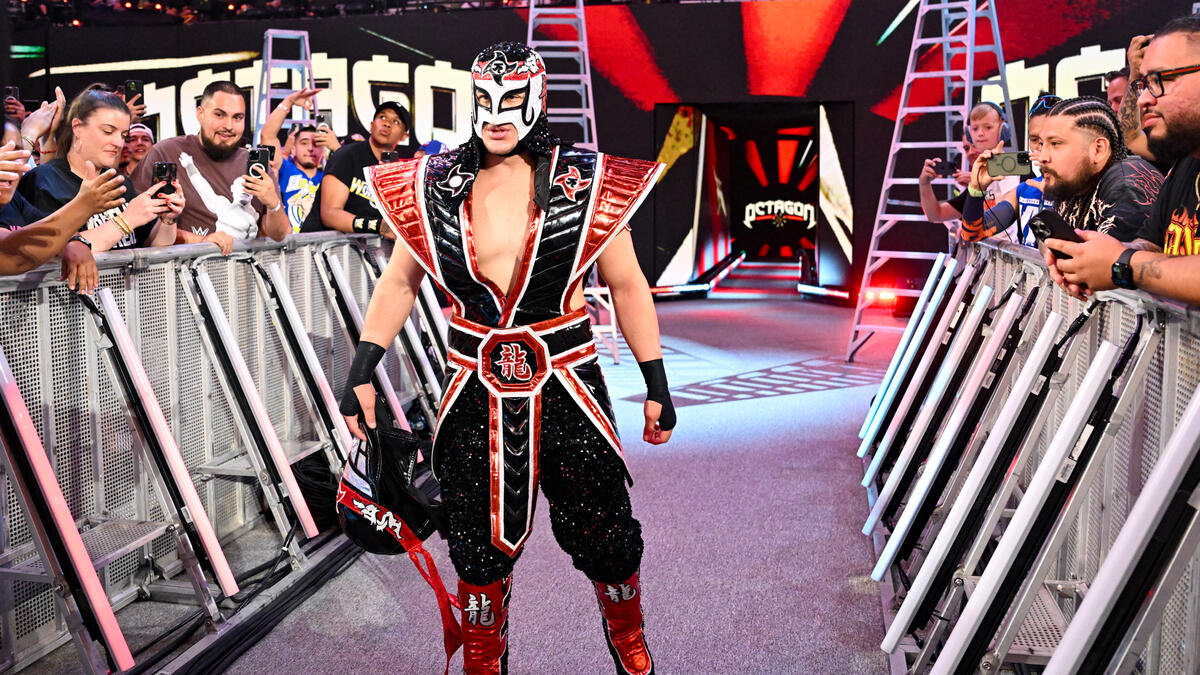
WWE’s looming AAA crossover sparks wild speculation
50 minutes ago
Jasper Troy brings the Speed title pedigree to Evolve
50 minutes ago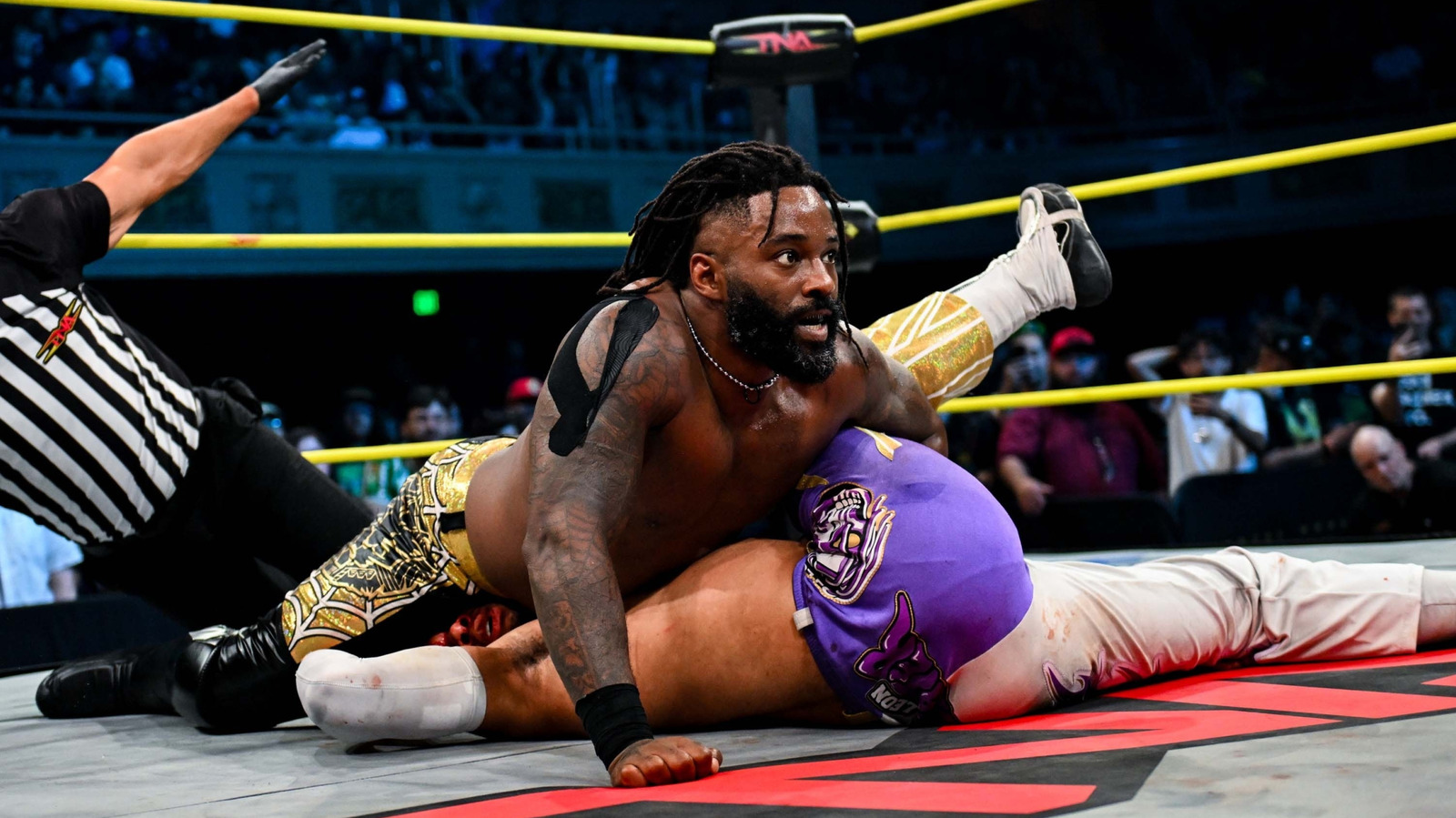
Cedric Alexander is chasing a match that needs to happen
53 minutes ago
Saraya leaves the AEW chapter in the rearview mirror
an hour ago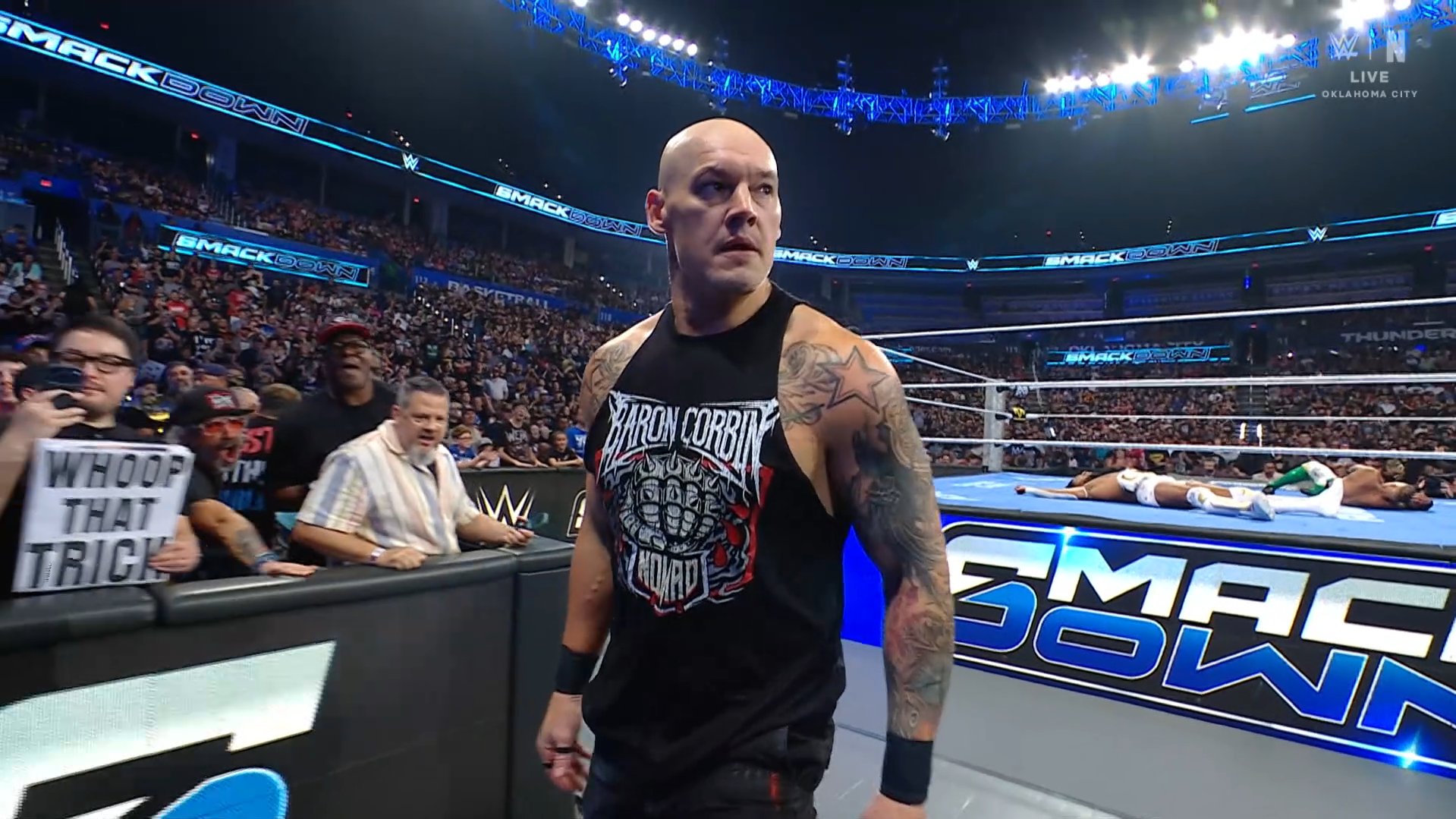
Baron Corbin's MLW pivot marks a strange turn in his career
an hour ago
Nick Aldis stepping into the ring at SummerSlam is a booking disaster
an hour agoMore Analysis
Motor City Machine Guns didn't need WWE to prove they're legends
4 days, 1 hour agoMotor City Machine Guns didn't need WWE to prove they're legends
4 days, 1 hour ago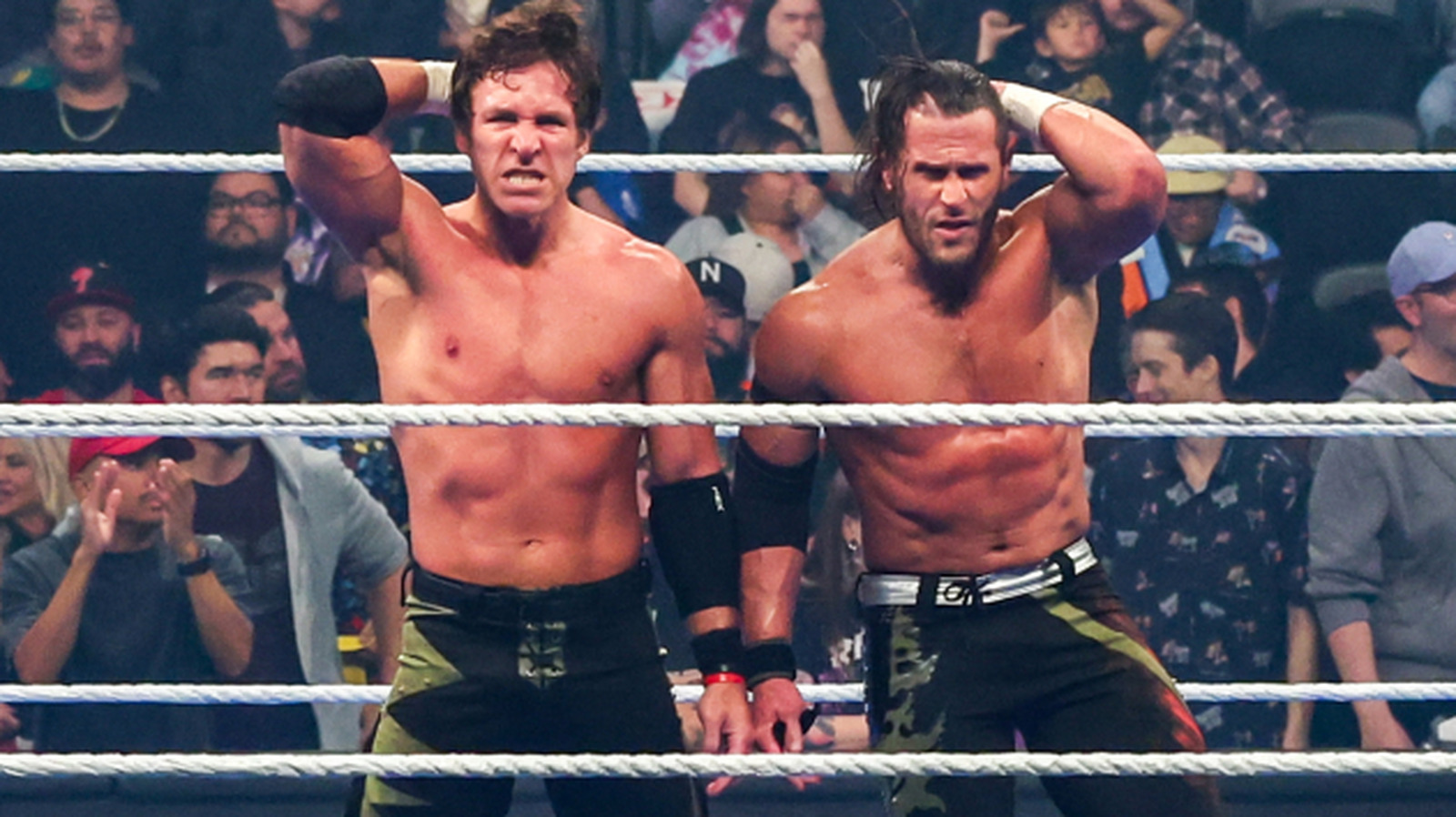
Motor City Machine Guns and the chaos of the free agent market
3 days, 7 hours ago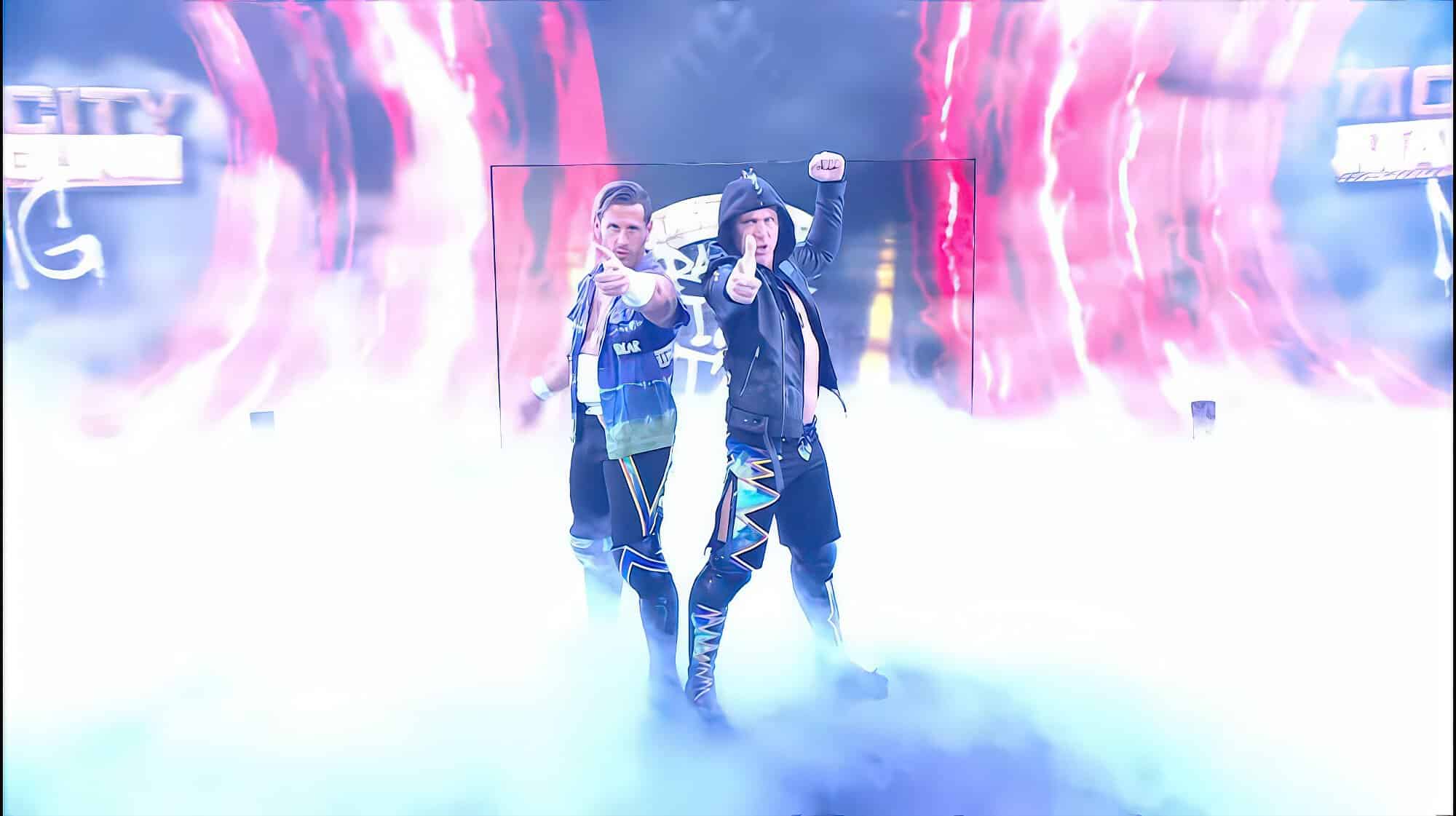
The Motor City Machine Guns are trolling the industry, and it's brilliant
3 days, 13 hours agoCreative frustrations mount as another tag team exits WWE
2 months, 3 weeks ago