The ownership handover at NJPW
Bushiroad’s May 2026 announcement confirms the transfer of all NJPW shares to TV Asahi and CyberAgent. This restructuring ends a fourteen-year era of centralized ownership. For the talent roster, this transition creates immediate uncertainty regarding talent movement between CyberAgent-owned promotions, specifically Pro Wrestling NOAH and DDT.
Multiple reports suggest the integration of these assets will focus on shared streaming reach and cross-promotional output. TV Asahi provides the broadcast weight, while CyberAgent brings the digital infrastructure. The immediate question involves the future status of high-profile NJPW stars whose contracts may be subject to internal talent redistribution.
The crossover possibility for top-tier talent
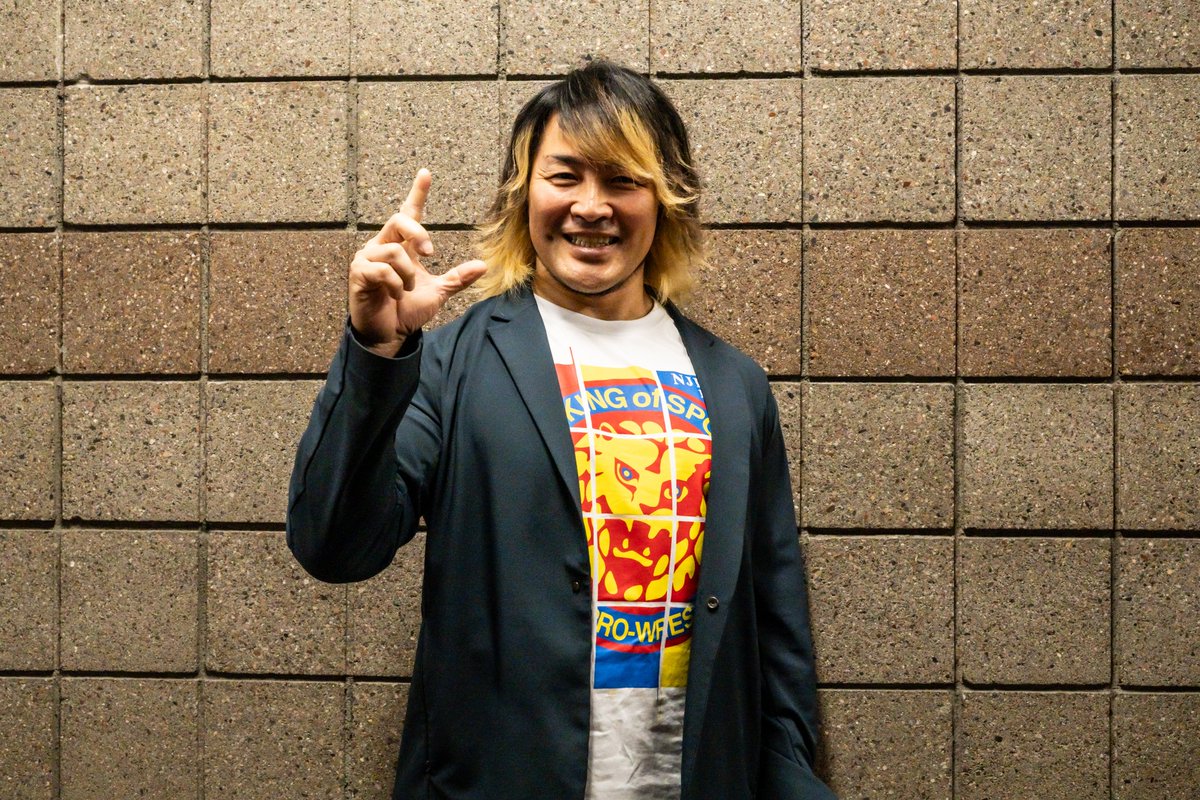
Rumors are circulating regarding a potential shift for wrestlers currently under the NJPW banner to the Pro Wrestling NOAH spotlight. This aligns with the new ownership’s desire to balance house show attendance across their combined portfolio. If the goal is to bolster NOAH’s main event scene, names like Hiroshi Tanahashi or Zack Sabre Jr. could appear as part of a tactical rotation to drive subscription numbers for Abema TV.
Such a move is not without risk. NJPW has a distinct in-ring style prioritizing long-form storytelling and stiff strikes. Bringing that style into NOAH’s heavy-punching landscape requires creative adjustments. A failure to calibrate this could alienate the NOAH fanbase, who have spent years distinguishing their product from the Tokyo Dome style.
Creative friction and the booking calendar
Current creative internal signals suggest a shift toward more unified tournament bookings. Fans should watch the G1 Climax preparations closely. If the G1 begins to feature names previously exclusive to the NOAH or DDT rosters, it will serve as the first evidence of this ownership consolidation acting on the active roster.
Critics point to the potential for oversaturation. If the major promotions share too much talent, the distinct brand identities of NJPW and NOAH may dilute. A wrestler appearing at a Korakuen Hall show for one company and a Ryogoku Sumo Hall show for another within the same week risks burnout among the talent and confusion among the ticket-buying public.
Probability and outlook
The probability of active talent cross-pollination is high, given that CyberAgent now effectively owns the decision-making process for both houses. This is a business play for consolidated media rights, not a philanthropic venture to grow the sport. Expect a formal announcement regarding a unified streaming platform or cross-brand tournament series by the end of Q3 2026.
The impact will be felt most by mid-card performers. Veterans with established contracts will likely retain autonomy, but younger talent may find themselves cycled through various CyberAgent promotions to test their draw power on different regional circuits. This is a transitional period for Japanese wrestling where the corporate boardrooms are dictating the match cards more aggressively than at any point since 2012.
Read Next
- New Japan Pro-Wrestling faces an identity crisis after Bushiroad exit
- Paul Wight and the diminishing returns of the heavyweight attraction
- Jacob Fatu talks Roman Reigns collision course ahead of Clash in Italy
- Logan Paul's injury leaves a massive void in WWE's mid-card rotation
- 🏊 WWE Draft 2026 — Brand Extension Hub