The mid-card logjam at NXT
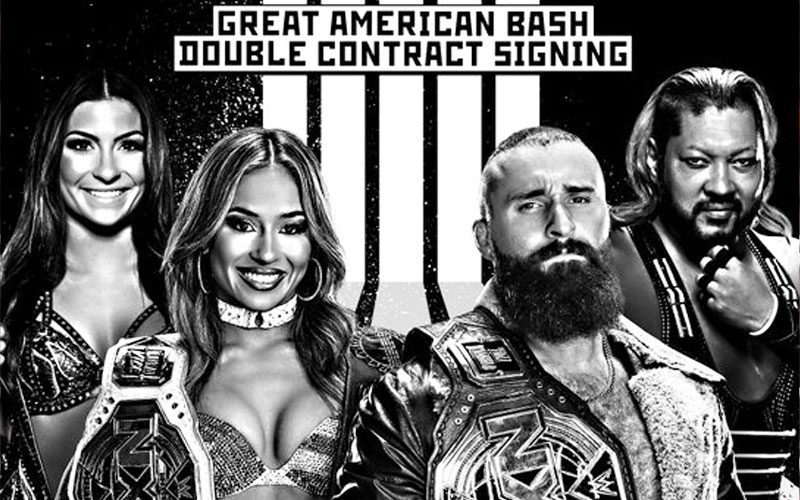
NXT has spent the last six months oscillating between high-octane spectacle and repetitive booking. With the Great American Bash start time confirmed for the broadcast, Triple H and Shawn Michaels are back to the familiar playbook of cramming as much talent as possible into a single three-hour window. This strategy creates a visible friction: the undercard often suffers because the main event slots are over-extended.
Technical execution in the ring has never been the issue. The roster possesses elite-level conditioning, yet the narrative flow frequently trips over its own feet. Between the high-flying sequences and the sudden shift to power-based spots, the pacing feels disjointed. When we look at the recent patterns in talent usage, the reliance on multi-man matches to hide green workers is becoming a glaring deficiency in their development roadmap.
Predicting the Bash outcome
Expect a heavy focus on the mid-card talent to prove their worth before the brand expansion rumors reach a fever pitch. I am betting that the main event hinges on a sudden betrayal or a high-risk spot to mask a lackluster build. My prediction is that the show concludes with a cliffhanger that sets up a SummerSlam weekend contest rather than resolving current stakes cleanly.
This reliance on cliffhangers is a crutch. It avoids the heavy lifting of satisfying payoffs. When a feud reaches its boiling point, it deserves at least 25 minutes of uninterrupted, logical progression. Instead, the promotion is trending toward shorter, highlight-reel segments that prioritize optics over technical storytelling. Their recent reliance on broadcast scheduling shows they are more concerned with viewer retention windows than actual character progression.
The booking flaw
The biggest critique of the current era? Oversaturation. NXT management seems to believe that cramming 10 matches into one night is the equivalent of a stacked card. It isn't. It just ensures that four of those bouts will be relegated to glorified squash matches that teach us nothing about the competitors involved.
If the promotion wants to maintain its relevance in an increasingly crowded sports entertainment market, it needs to cut the fluff. Focus on the main narratives. Strip away the interference-heavy finishes. If they do not tighten their booking metrics, the fan base will continue to tune out of the bridge segments between the main event pushes.