Measuring Impact Beyond the Bell
Professional wrestling is defined by the moments that shifted the competitive landscape and forced the industry to evolve. These ten entries represent seismic changes in booking, talent utilization, and perception, ranked by their long-term consequences on the business.
10. Danny Davis Turns Referee Heel
The 1987 angle where Danny Davis manipulated matches to favor villains provided the first truly compelling reason to watch the referee. By costing the British Bulldogs their Tag Team titles, Davis became a legitimate heat magnet. It refined the role of the official from a neutral arbiter to an active participant. Critics argue it prioritized authority figures over workers, a trend that eventually diluted the in-ring action.
9. Hulk Hogan Joins the nWo
Bash at the Beach 1996 stands as the pivot point for modern wrestling narratives. Hogan hitting Randy Savage with a leg drop signaled the end of his hero run and the beginning of the Monday Night War. It proved that recognizable icons could be successfully rebooted as heels. The booking was revolutionary, though it eventually led to the bloated, aimless nWo storylines of 1998.
8. The Montreal Screwjob
Bret Hart losing the WWF Championship on November 9, 1997, remains the most notorious double-cross in history. It blurred the lines between scripted outcome and actual conspiracy so effectively that fans still debate the intent today. The incident birthed the Mr. McMahon character, a necessity that arguably saved the company's financial future. However, it also left a sour taste regarding promoter ethics that persists three decades later.
7. Lexis King Retains Speed Title
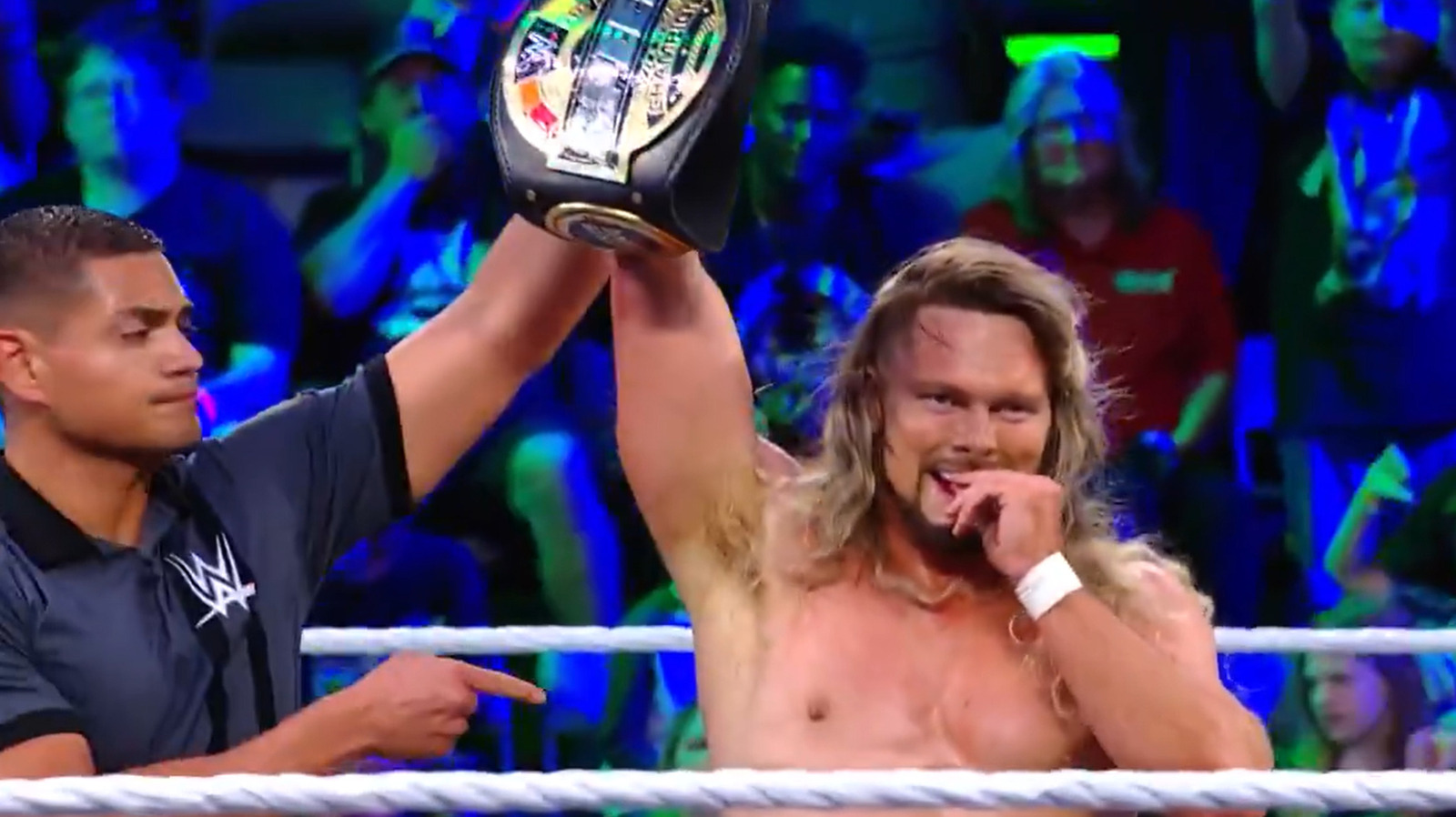
In a recent display of pure athleticism, Lexis King defended his WWE Men's Speed Championship against a hungry NXT newcomer. This moment represents the current shift toward short-format, high-intensity bouts that cater to shifting viewer attention spans. King proved that the Speed title can anchor a brand segment, even if the three-minute limit leaves little room for complex storytelling. It signifies a move toward serialized, bite-sized content.
6. Stone Cold vs. Bret Hart at WrestleMania 13
The submission match changed the face of the anti-hero. By having Steve Austin refuse to quit in a pool of his own blood, the company successfully pivoted him to the top of the card. It was a masterpiece of technical wrestling meeting extreme violence. Some purists argue the finish was sloppy, but the optics launched the Attitude Era.
5. Chris Jericho Debuts on Raw
The countdown clock interrupted The Rock on August 9, 1999, creating an electrifying bridge between WCW and WWF rosters. It solidified the importance of high-profile acquisitions in the Monday Night War. While the execution was flawless, Jericho’s creative direction immediately following the debut was underwhelming. He spent months trading wins with mid-carders instead of reaching for the main event.
4. The Undertaker vs. Mankind (Hell in a Cell)
The 1998 King of the Ring match redefined what fans expected from high-risk stunts. Mick Foley taking two massive falls from the top of the cage served as a display of unparalleled toughness. It sparked a dangerous arms race in the industry, compelling lighter wrestlers to attempt high-risk maneuvers they weren't prepared for. While iconic, it sits here because it encouraged a reckless standard of physical labor.
3. The Formation of the Four Horsemen
Ric Flair, Arn Anderson, Ole Anderson, and Tully Blanchard established the blueprint for the legendary stable. They didn't just win championships; they dominated the territories with a coherent, unified presentation. The group dynamic allowed for diverse storylines across the entire card. Every successful faction since owes them a royalty check.
2. The Rise of the Junior Heavyweights in NOAH
The junior division consistently pushes the pacing of modern matches. Watching talent like Hiroto Tsugai suffer knee injuries during high-intensity tag league action highlights the physical toll exact of these flyers. They continue to elevate the sport, though promoters struggle to protect these assets during punishing schedules. When the juniors succeed, the main event feels sluggish by comparison.
1. The Creation of the Rumble Match
Pat Patterson’s invention of the Royal Rumble in 1988 changed the structure of the calendar. It provided a perfect vehicle for building multiple feuds simultaneously while creating an instant star. It remains the most effective booking gimmick ever devised, rewarding endurance and strategic entry placement. The 30-man format is the gold standard for annual event structure.
Honorable Mentions
The 1994 Super J-Cup for introducing puroresu to a wider audience; the debut of the ladder match as a main event attraction; Kurt Angle joining the King of the Ring tournament.