The physical toll of developmental cycles
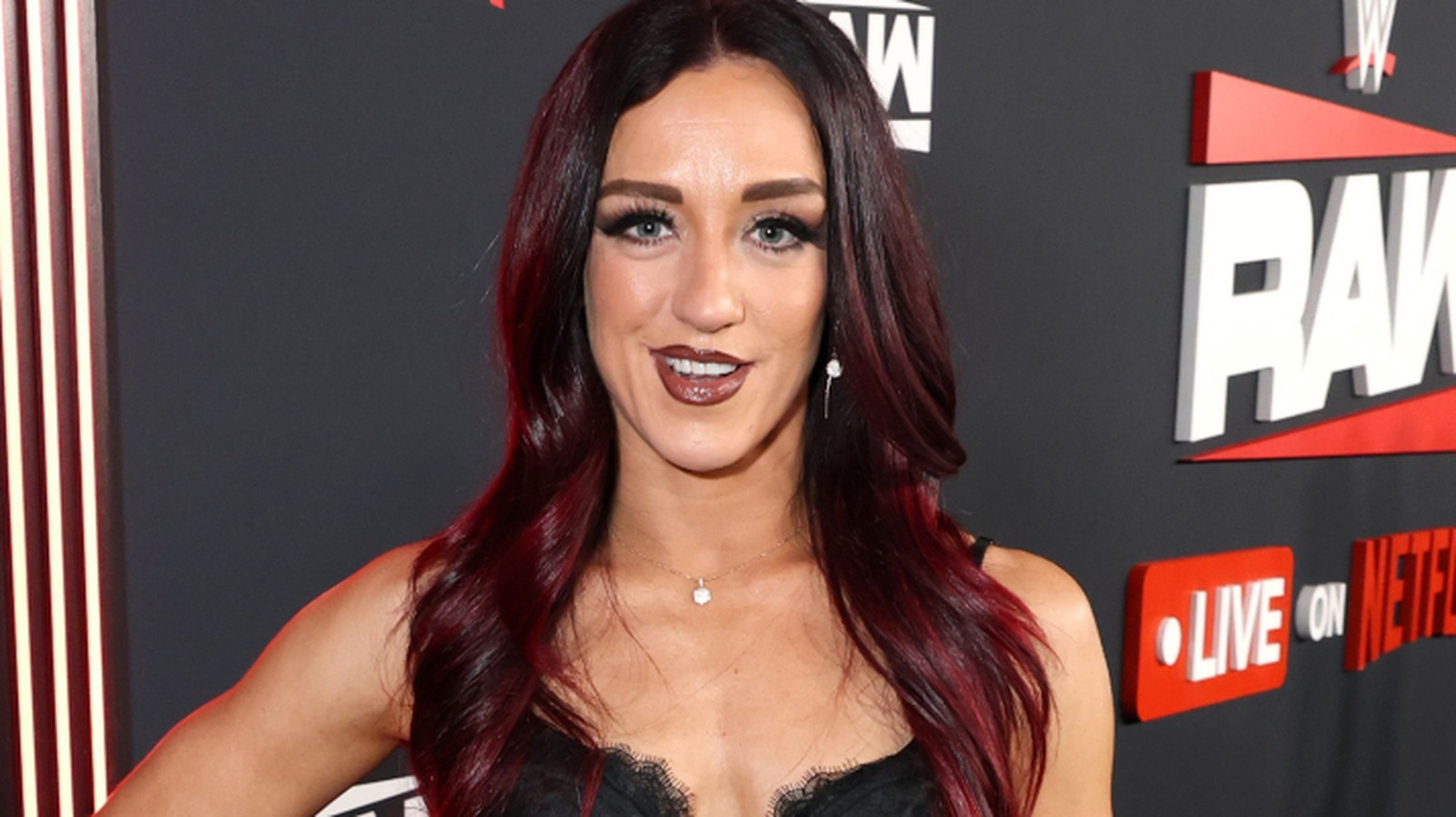
Kaitlyn, once a cornerstone of the divas era, recently pulled back the curtain on her departure from WWE. With two years remaining on her contract, she opted to walk away. Her admission that she was feeling like she was falling apart serves as a stark metric for the sustainability issues plaguing high-intensity performers.
Reports indicate the decision came during a period of sustained travel and performance pressure. When a talent sacrifices an active contract, it signifies a total breakdown between physical maintenance and the demands of the product. The history shared by Celeste Bonin highlights how the grind consumes even the most dedicated athletes.
Tactical inconsistencies in roster management
The internal mechanics of roster management often ignore the decay rate of human performance. We obsess over win-loss records and pay-per-view main events while glossing over the training center recovery protocols. As the AEW Collision viewership slide demonstrated, even big promotions are not immune to booking fatigue.
NXT, by contrast, is currently betting on the Naraku invasion to fix stagnant interest, a gamble that feels secondary to the health of the current roster. If WWE continues to treat performers like plug-and-play modules, they will face higher attrition rates. We saw on June 2 that Tony D'Angelo needs a better finish, but perhaps the bigger question is whether he is being asked to work through systemic exhaustion to push a stale narrative.
Can a promotion manage talent health better?
There is a glaring lack of transparency regarding how long-term health benchmarks are measured. We see the drop in the Collision audience and analyze the storytelling, but we rarely account for the physical state of the talent in the ring. When a performer like Kaitlyn steps away at the peak of her visibility, the promotion loses more than a character; they lose the cumulative experience required for long-term depth.
My prediction: Unless the upcoming schedule accounts for recovery windows instead of just market penetration, we will see another high-profile departure by the fourth quarter of 2026. The industry relies on the illusion of invincibility, yet the history of post-departure interviews proves that the body always keeps the score. I expect more performers to prioritize their own longevity over the short-term booking requirements of the office.