The quiet side of Tuesday nights
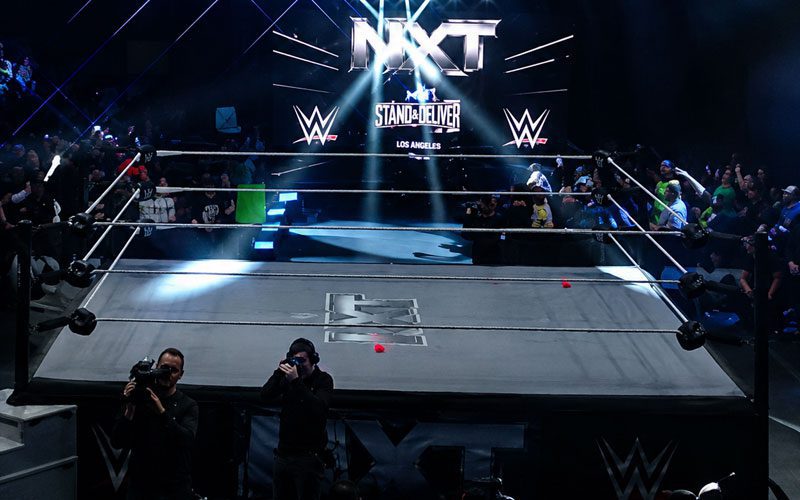
If you were hanging out at the Performance Center on June 2 for the latest WWE NXT taping, you caught a glimpse of the grind that never makes the TV cut. These aren't the polished, high-production bangers you see on the USA Network. This is where the green guys go to learn how to work a crowd that has already sat through a three-hour marathon broadcast.
The reaction from the loyalists online has been predictably split. One faction argues these dark matches are the real heartbeat of the product, stripping away the pyro and the pre-taped vignettes. You are basically watching a masterclass in psychology where the wrestlers have to get over without a fancy entrance theme.
The skeptics are sharpening their knives
Not everyone is buying into the charm of the dark match. A loud section of the IWC thinks these sessions are basically a glorified practice squad training camp. They see zero point in getting worked up over guys who aren't even on the main card trajectory yet. To them, if it isn't moving a storyline forward, it is just filler masquerading as development.
You can find the contrarians on the forums arguing that these extra matches are exhausting the local crowd. If you sit through a main event title fight at the 150-minute mark of the night, are you really going to explode for a developing talent trying to refine their top-rope splash mechanics? It feels like we are asking for greatness during the wrap-up credits.
My take on the house show cycle
Let's be real about the utility of these matches. The people calling them filler haven't spent five minutes inside a wrestling ring. You cannot learn how to pace a match by hitting the agility ladder in the back. You need the heat, the confused looks when a spot drags, and the realization that your opponent dropped the ball on a transition. This is where the coal turns into diamonds, or more often, where the coal stays coal for a while.
However, the critique about the crowd fatigue is valid. We see the numbers, and the energy usually evaporates once the cameras stop rolling. If the company wants these sessions to be useful, they might need to change the pacing. Throwing a high-intensity tag match after a grueling main event is like trying to sell a steak dinner to a guy who just ate a buffet.
Why the local crowd matters
The folks who pay for tickets in Orlando deserve better than a half-empty arena for a cooldown match. I have seen guys try to pull off a 450 splash in front of rows of bored fans who are just trying to beat the traffic out of the parking lot. That is not booking—that is just neglect. A tighter, faster match design for these dark tapings would make the final product feel way more electric.
Real development is not just about doing the moves correctly. It is about holding the attention of six hundred exhausted people. Some of these prospects figure it out in seconds. Others look like they are reading their spots off a script taped to their wrist tape. You can tell who is going to be on the marquee in two years by how they handle that specific void of energy.
The verdict from the mat
I am siding with the enthusiasts on the existence of these matches, but I am joining the cynics on how they are scheduled. The company needs to prioritize these talents more. Do not just throw them out there as a courtesy. Treat the dark matches like low-stakes laboratory experiments.
Give these guys a specific objective for the match—like working a limb for the full duration or cutting a promo in the ring afterward. If they are just walking through spots, they aren't learning. They are just coasting. At the end of the day, success in this business is defined by one thing: keeping eyes glued to the screen, whether those eyes are in the front row or at home on their couches.
If a guy can get a crowd of tired fans to stand up during a dark match, he is ready for the big stage. If he can't, he stays in the Performance Center until he stops looking like a deer in the headlights. The process is brutal, it is messy, and it is absolutely necessary for the sport to survive.