The Tokyo drift into stagnation
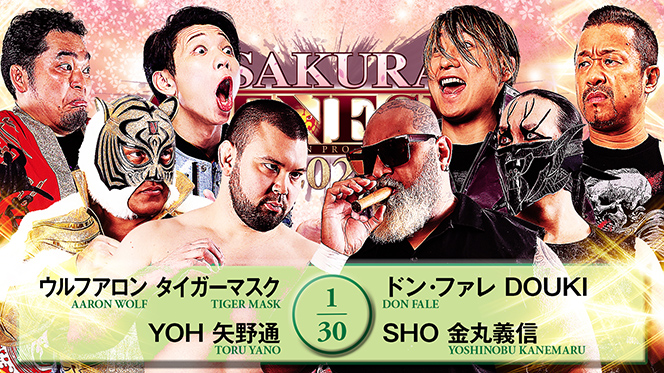
Sakura Genesis usually serves as the pivot point for New Japan Pro-Wrestling, a moment where the promotion forces a directional shift before the summer tournament grind. Looking at the results from April 4, the company opted for a safety-first strategy that leaves more questions than answers. The reliance on established main-event stalwarts continues to crowd out the mid-card talent that needs air to breathe.
ZSJ winning the IWGP World Heavyweight title defense against Shingo Takagi was a technical masterpiece, but it highlights a recurring design flaw. We are seeing the same names rotated at the top of the card while the younger talent pool waits for an opening that never arrives. The match pace was frantic, yet it felt like a repetition of familiar beats rather than an evolution of the promotion's identity.
The missing urgency in match pacing
The pacing of 2026 NJPW undercards remains a point of contention among those of us tracking the minute-by-minute flow. During the recent show, several tags lacked the visceral stakes required to justify their duration. We saw skilled performers trapped in fifteen-minute segments that felt like placeholders rather than narrative drivers.
It is statistically clear that New Japan is leaning into a formulaic structure that ignores the need for tightened storytelling. When a belt exchange or a major victory happens, it needs to feel earned through a distinct departure from the status quo. Instead, the current booking feels like an exercise in consistency that has traded excitement for predictable excellence.
Predicting the summer turbulence
Following this latest outing, it is obvious where the creative path is heading. The promotion will attempt to carry this momentum into the summer, but the lack of true elevation for the next-tier roster is a ticking bomb for their business model. Expect them to lean heavily on the G1 Climax to mask the lack of fresh, top-tier challengers.
My prediction is simple: the current main event cluster will hold until the September window, at which point the fatigue from the current cycle will become undeniable. They are prioritizing the safety of the known commodity over the inherent risk of pushing new faces. This strategy captures the short-term ticket sales but sacrifices the long-term vitality that defined their golden era. If the booking doesn't change by the mid-year point, expect a slide in fan engagement.