Injuries force last-minute card shuffling for NJPW
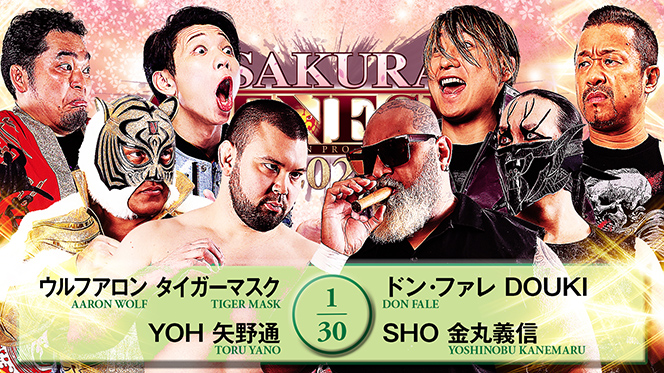
New Japan Pro Wrestling is navigating a turbulent path to Sakura Genesis as medical realities override long-term booking plans. Officials confirmed late this week that a significant card change is mandatory, forcing a scramble behind the scenes as the promotion approaches their April 6 showcase. The adjustments ripple through the junior heavyweight ranks, a division currently defined by high-intensity tournament build-ups and recurring tag team volatility.
The shift is not merely a logistical annoyance; it represents a blow to the narrative trajectory established during the Road to Sakura Genesis shows at Korakuen Hall. With key performers forced off the schedule, the company is pivoting toward mystery elements to maintain fan interest. It is a risky gamble that signals the booking team is feeling the heat to keep the product fresh for the international audience watching on NJPW World.
The Knockout Brothers and the looming shadow of the unknown
Perhaps the most baffling element of the upcoming card is the strategic deployment of the Knockout Brothers. While fans initially clamored for a concrete plan regarding their title aspirations, the office has chosen to shroud their next move in confusion. A recent surge in speculation confirms that a "mystery man" angle is officially in play for this weekend. Relying on surprise returns usually serves to paper over cracks in a thinning roster, but it often lands flat if the payoff doesn't materialize immediately.
The reliance on mystery reveals points to a broader issue regarding NJPW's current lack of depth at the top of the card. When top-tier talent is sidelined, the absence is felt immediately, creating a void that mid-card acts are not equipped to fill. The internal panic to secure replacements for the Sakura Genesis lineup feels reactionary, suggesting that the creative team is living week-to-week rather than executing a cohesive year-long vision.
Tsuji and Newman headline a changing of the guard
Despite the administrative instability, the marquee singles bout between Yota Tsuji and Callum Newman remains the anchor of the promotion's future-proofing strategy. Tsuji, having established himself as a central figure in the post-Cobb era, looks to validate his position as the new face of the promotion. Newman represents the best of the Next Generation movement, but his consistency remains a legitimate question mark for those betting on his long-term success.
"It is about the pride of the ring, not the name on the ticket."
This sentiment, shared by veteran performance analysts, highlights the disconnect between management's booking and the fans' expectations. The match between Tsuji and Newman is being billed as a technical masterpiece, but it lacks the organic heat usually associated with big-stage NJPW encounters. By forcing a title defense into a transition phase, the promotion risks dampening the importance of the strap itself.
Stagnation in the junior division
The junior weight division is currently suffering from a lack of clear direction. While the tag team combinations like Ishimori and Robbie X vs. Akira and Young were highlights of the recent Korakuen Hall dates, they feel like placeholder matches. It’s hard to build momentum when the pairings are flipped every 48 hours to account for various roster gaps.
Furthermore, the decision to Crown a new champion amidst such logistical chaos feels premature. Historically, championship changes occur as the climax of legitimate storytelling; here, it feels like a desperate attempt to create headlines out of thin air. NJPW needs to stabilize its core talent availability before it can hope to return to the heights of previous years, where the tournament structures actually yielded consistent star power.
A grim outlook on promotion management
The trend of last-minute changes is becoming a trademark of the current NJPW front office. For a company that once prided itself on meticulous record-keeping and bulletproof booking, being forced to announce card changes just days before a major event is a disaster. It discourages fans from pre-purchasing tickets and chips away at the brand promise of reliability.
Without a significant influx of healthy, proven main-eventers, the upcoming show could be remembered more for who was missing than those who actually appeared. Fans should prepare for a disjointed broadcast and anticipate further roster adjustments before the opening bell rings. If the main event doesn't deliver a decisive finish, the company will have a very difficult time justifying their current creative trajectory through the remainder of the spring cycle.
Looking ahead to the upcoming international calendar, time is running out. The shift from the Road to Sakura Genesis into the flagship event itself is where the company typically cements its championship identity. At present, that identity is murky. Whether the addition of a returning wrestler can salvage this weekend's festivities is moot; the structural issues regarding talent health and booking urgency will likely persist far beyond the final pinfall of the night.