The Big Picture
Modern professional wrestling moves at a breakneck speed, leaving little room for nostalgia or long-term pacing. This list evaluates the most significant occurrences from the past year, focusing on booking impact, crowd resonance, and legitimate backstage seismic shifts.
The Top 10 Countdown
1. Cody Rhodes finishing the storyline at WrestleMania 40. This remains the gold standard for long-term payoff, ending a multi-year pursuit of the title that had captivated the audience since his return. Without this conclusion, the entire babyface structure of the main event scene would have collapsed into irrelevance.
2. The CM Punk return at Survivor Series. Regardless of your personal opinion on his locker room conduct, no other event in the last decade generated this level of genuine shock. WWE managed to keep the secret tight, leading to a visceral reaction that hasn't been replicated since, though the subsequent booking has occasionally felt uninspired.
3. Roman Reigns' record-breaking title reign ends. The sheer duration of the run—spanning over 1,300 days—set a baseline for every other performer in the company. Critics argue the middle portion dragged, but the weight of the moment when he finally dropped the strap elevated the entire roster.
4. The Bloodline's internal implosion. Watching the faction fracture through complex interpersonal drama provided the most consistent television in years. It turned secondary matches into personal vendettas, peaking during the Jey Uso versus Roman Reigns feud where the logic of the narrative hit its peak.
5. Rhea Ripley asserting dominance over the men's roster. Her physicality and presence made her the most credible champion in the division, frequently overshadowing her male counterparts. The decision to have her vacate the title due to injury was a massive blow to the product, highlighting how reliant the creative team had become on her momentum.
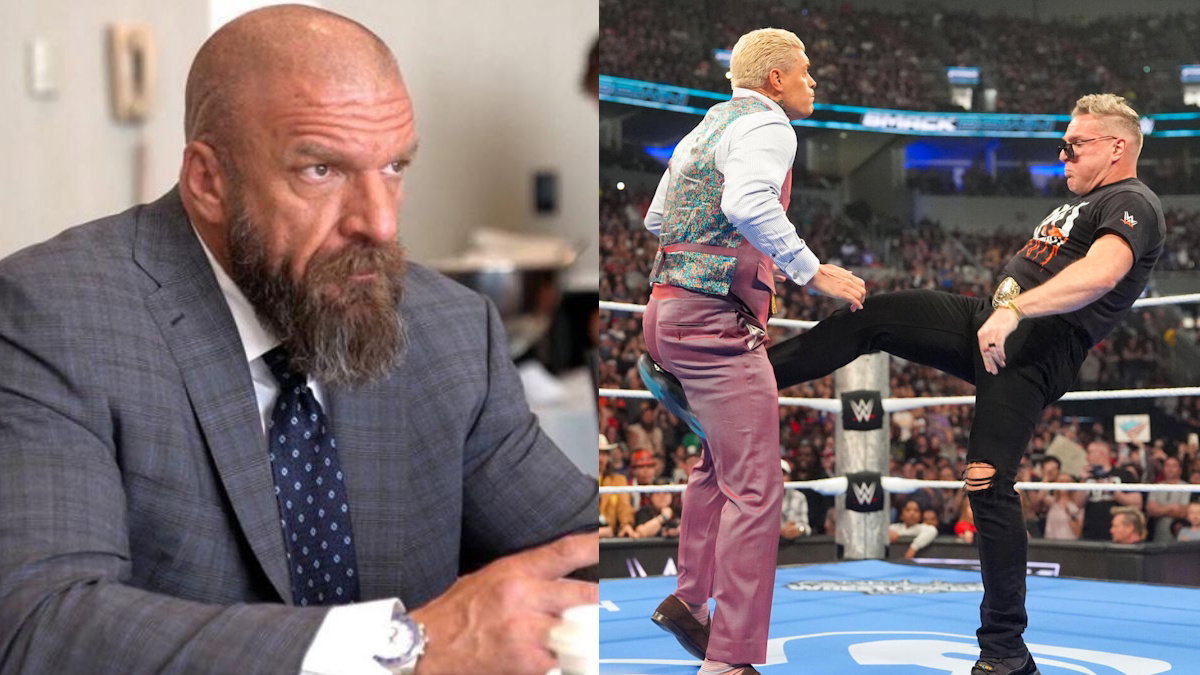
6. Cody Rhodes addressing the TKO hierarchy. Recent backstage reports regarding his candid remarks on corporate influence show a performer who understands his leverage. When a talent speaks openly about the parent company's operational shifts, it signals a significant change in the performer-management dynamic that could have long-term consequences for creative freedom.
7. The debut of Jade Cargill. While the buildup was slow, her first in-ring appearance at the Royal Rumble provided an instant injection of star power. The company has struggled to maintain her trajectory since, often placing her in segments that fail to highlight her unique athleticism, which remains a glaring booking error.
8. Pat McAfee’s return to the booth. His personality provides a necessary contrast to a highly scripted product, even if his absence left a noticeable void in the broadcast quality. The reception to his return confirms that his role as a bridge between mainstream celebrity and wrestling diehard is still the most efficient way to engage a casual audience.
9. Sami Zayn defeating Gunther. The sheer technical prowess of this match at WrestleMania 40 proved that a smaller striker could convincingly topple a juggernaut. It served as the perfect release for a crowd that had spent months watching Gunther dominate the Intercontinental scene, validating Zayn's status as a top-tier babyface.
10. The formation of the new Wyatt Sicks. While early, the psychological shift their presence brings to the programming is undeniable. It introduces a darker tone that keeps viewers guessing, though the reliance on pre-recorded vignettes carries the risk of losing the live audience's attention span.
Honorable Mentions
The return of the tag team division's prominence deserves a nod, as teams like the Street Profits and DIY have clawed their way back into the spotlight. Additionally, the increasing reliance on celebrity appearances during the build toward WrestleMania 41 remains a divisive but effective marketing tactic that keeps the company firmly in the news cycle.