The Physical Toll of the Viper's Last Run
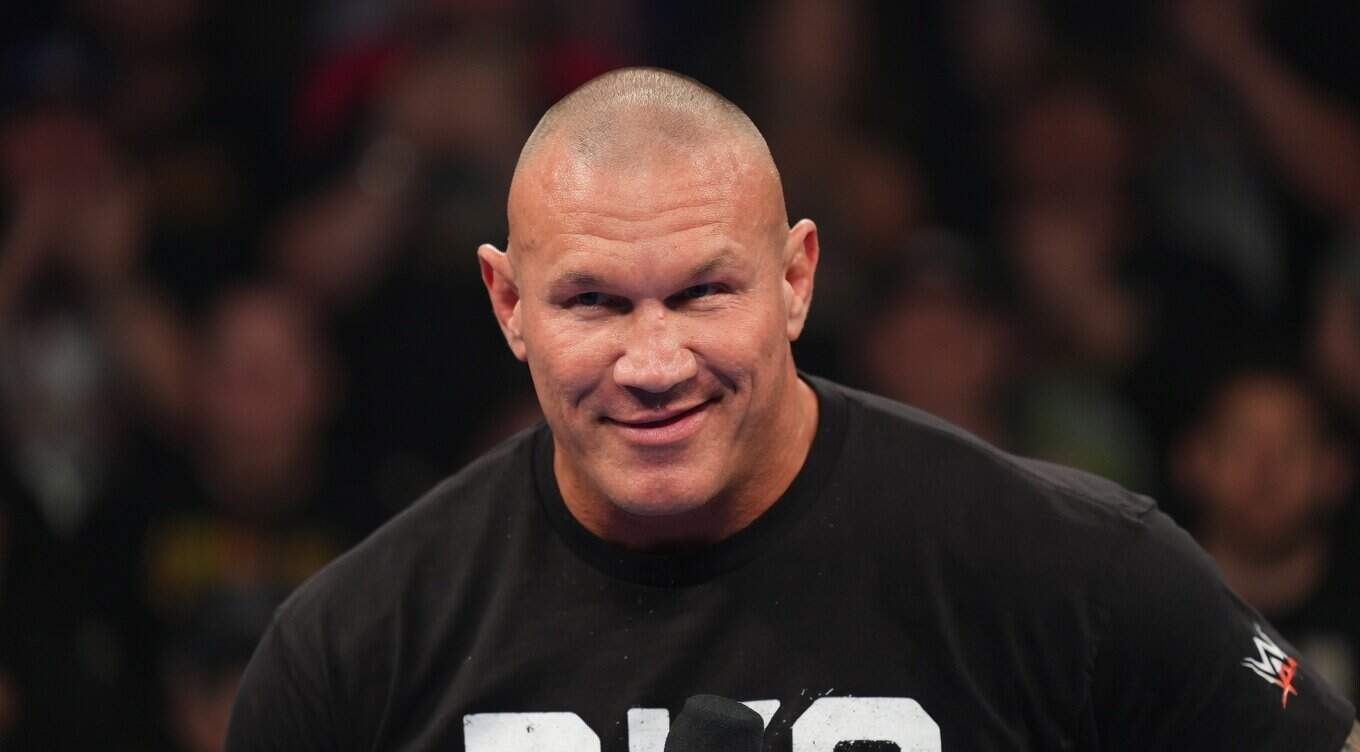
Randy Orton is hurting. Just 48 hours before he steps into Allegiant Stadium for the biggest match of his post-fusion career, reports from WrestlingNews.co and PWInsider indicate the 14-time World Champion is struggling with significant physical wear and tear. This isn't the standard 'WrestleMania season' soreness that every veteran feels in April. This is a 46-year-old man with a fused spine trying to carry the load of a main-event program against Cody Rhodes. The reports suggest that Orton has been vocal backstage about the level of pain he is managing heading into Night 1.
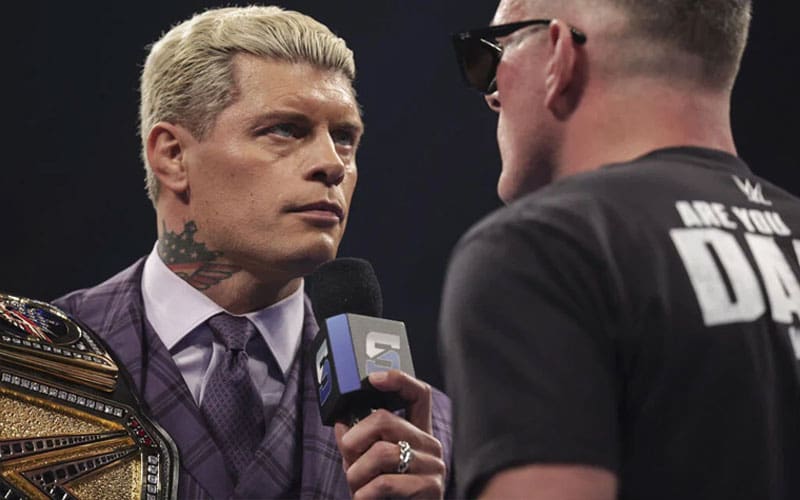
The timing is disastrous for WWE creative. Orton is scheduled to challenge Cody Rhodes for the WWE Undisputed Championship in a match that has been framed as the ultimate mentor-versus-student clash. For months, the build has focused on Orton's desire to reach 15 world titles, putting him one step closer to the record held by John Cena and Ric Flair. But the reality of his biology is catching up to the fiction of the booking. When Orton returned at Survivor Series in late 2023, he looked to be in the best shape of his life, but the sheer volume of dates since then has clearly eroded that initial burst of health.
We are seeing the limitations of modern sports medicine when applied to a 20-year career built on a high-impact finishing move. Every time Orton hits an RKO, he is landing flat on his back, sending a jolt through a lumbar region that has already been surgically reinforced. It is a biomechanical nightmare. While Orton has modified his style to include more ground-based grappling and fewer high-risk bumps, the core of his offense remains a self-inflicted powerbomb to his own spine. Reports indicate that the 'hurting' isn't limited to his back; his shoulders and knees are also showing signs of regression after a heavy winter touring schedule.
The Ghost of 2022 and the Fusion Factor
To understand why this is a major red flag for WWE, you have to look back to May 2022. Orton was sidelined for nearly 18 months with back issues so severe that doctors reportedly advised him to never wrestle again. He underwent a lower-back fusion, a procedure that has ended the careers of many professional athletes. While he defied those odds to return, the long-term viability of a fused spine in a ring was always a question of 'when' not 'if' it would fail. If Orton is already redlining before the bell rings on Saturday night, the concern is that one awkward landing or one stiff Cody Cutter could result in a permanent exit.
Historical context tells us this rarely ends well. We saw similar trajectories with Shawn Michaels in 1998 and Edge in 2011. Both men pushed through significant spinal trauma to reach a WrestleMania milestone, only to be forced into multi-year retirements immediately after. WWE has a questionable track record of allowing legends to 'work hurt' for the sake of a marquee gate. While the TKO era prides itself on a more clinical, athlete-first approach, the pressure of headlining a stadium show often overrides medical caution. If Orton is truly 'hurting' as reported, his participation is a calculated risk that could backfire on the company's summer plans.
There is also the Roman Reigns factor to consider. Reigns, who has his own high-stakes encounter with CM Punk on Night 2, recently commented on the situation, suggesting that the era of the 'old guard' is being sustained by sheer willpower rather than physical readiness. Reigns isn't wrong. The current main event scene is heavily reliant on names from the 2000s—Orton, Punk, and Cena—all of whom are managing significant chronic injuries. It creates a fragile ecosystem where a single injury to a veteran can collapse months of television planning.
Strategic Implications for the Undisputed Championship
The reported injury status of Orton completely changes the betting lines and the strategic outlook for Night 1. If Orton is legitimately compromised, a title change becomes almost impossible to justify. Putting the top championship on a man who might need another six months of rehabilitation by Tuesday morning is a gamble WWE likely won't take. This shifts the narrative from 'Can Orton win his 15th title?' to 'Can Orton survive the match?' Cody Rhodes is not a soft worker. His style involves explosive disaster kicks and a heavy focus on the neck and back during his Crossroads combinations. For Orton, every minute the match goes over the 15-minute mark increases the likelihood of a catastrophic failure.
From a booking perspective, this might force a shorter, more explosive match. We could see a repeat of the Brock Lesnar vs. Goldberg sprint from WrestleMania 33, where high-impact moves are traded quickly to minimize the time spent on the mat. However, the fans in Las Vegas are paying for a clinical masterpiece between two of the best storytellers in the industry. A 10-minute 'smoke and mirrors' match would be a massive disappointment for a main event slot. The conflict between providing a quality product and protecting a fragile asset is the central tension of the Orton-Cody rivalry right now.
Beyond the match itself, there is the question of what happens on April 21. Even if Orton makes it through Night 1, he is almost certainly looking at a prolonged period of rest. This leaves a massive hole in the SmackDown roster heading toward WWE Backlash 2026 in May. If Orton has to take time off to manage this flare-up, WWE loses its secondary babyface anchor. The reliance on a man with a fused spine to be a full-time protagonist is, quite frankly, a failure of roster development that is now coming to a head at the worst possible time.
Wellness, Eating Disorders, and the Modern Athlete
While the focus is on Orton's physical frame, the industry is also grappling with the disclosure from Rhea Ripley regarding her struggles with an eating disorder. As PWInsider reported, Ripley’s transparency highlights the immense pressure these performers face to maintain a specific look while performing at an elite level. For a veteran like Orton, that pressure is doubled. He has to look like the 'Legend Killer' of 2005 while his 2026 body is begging for a break. The psychological toll of maintaining a world-class physique while managing chronic pain is a recipe for burnout or worse.
Orton has been candid about his desire to surpass the 16-title record, but at what cost? He told reporters this week that he wants to retire with more gold than anyone else, but the irony is that the pursuit of that gold is what might prevent him from having a healthy retirement. There is a palpable sense of desperation in this current run—a man racing against his own expiration date. It is compelling television, but it is also difficult to watch for anyone familiar with the medical reality of spinal injuries.
"I’m not just here to collect a paycheck. I want that 15th, then that 16th, then that 17th. I want to be the one at the top of the mountain when I finally walk away."
That quote, while inspiring for the promotional packages, sounds increasingly like a man in denial about his physical state. The reality is that Orton has already missed 552 days of active competition between 2022 and 2023. He cannot afford another hiatus of that length. If he is 'hurting' now, the wise move would be a light schedule post-WrestleMania, but the current storyline demands he be a workhorse. It is a collision course that likely ends with Orton on an operating table rather than a championship podium.
The Verdict on Orton's Readiness
Let’s be blunt: Randy Orton shouldn't be headlining a WrestleMania in his current condition. The fact that he is 'hurting' enough for it to leak to major news outlets 48 hours before the show is a sign that he is well past the point of safe participation. While he is a professional and will likely deliver a gutty performance that the fans will cheer, we are watching a man gamble with his ability to walk in his 50s for the sake of a 15th title reign that will ultimately just be a statistic in a record book.
WWE needs to protect Orton from himself. If he is the future of the Hall of Fame, he shouldn't be the present of the infirmary. The smartest move on Saturday night is a decisive victory for Cody Rhodes that allows Orton to disappear for three months to receive proper treatment. Anything else is an irresponsible use of a legend who has already given everything to this business. Las Vegas is a city built on bad bets, but Orton’s health shouldn't be one of them.
We have seen this movie before. We know how it ends. A veteran pushes through the pain, gets the 'WrestleMania Moment,' and then spends the next year in physical therapy. The industry has supposedly moved past the era of the 'walking wounded,' but as long as the bright lights of WrestleMania are flickering, men like Randy Orton will always find a way to ignore the warnings of their own bodies. It's great for the highlight reels, but it’s a terrifying precedent for the next generation of performers who see this as the standard for greatness.
Read Next
- Top 10: Defining Moments Heading into WrestleMania 41
- Carmelo Hayes is wrong about WrestleMania but right about the system
- Cody Rhodes breaks down why old school locker rooms were far more naked
- Triple H's 30-year journey from a terrifying botch to WrestleMania 41
- 🏆 WrestleMania 41 — Full Coverage Hub