The Big Stage Pivot
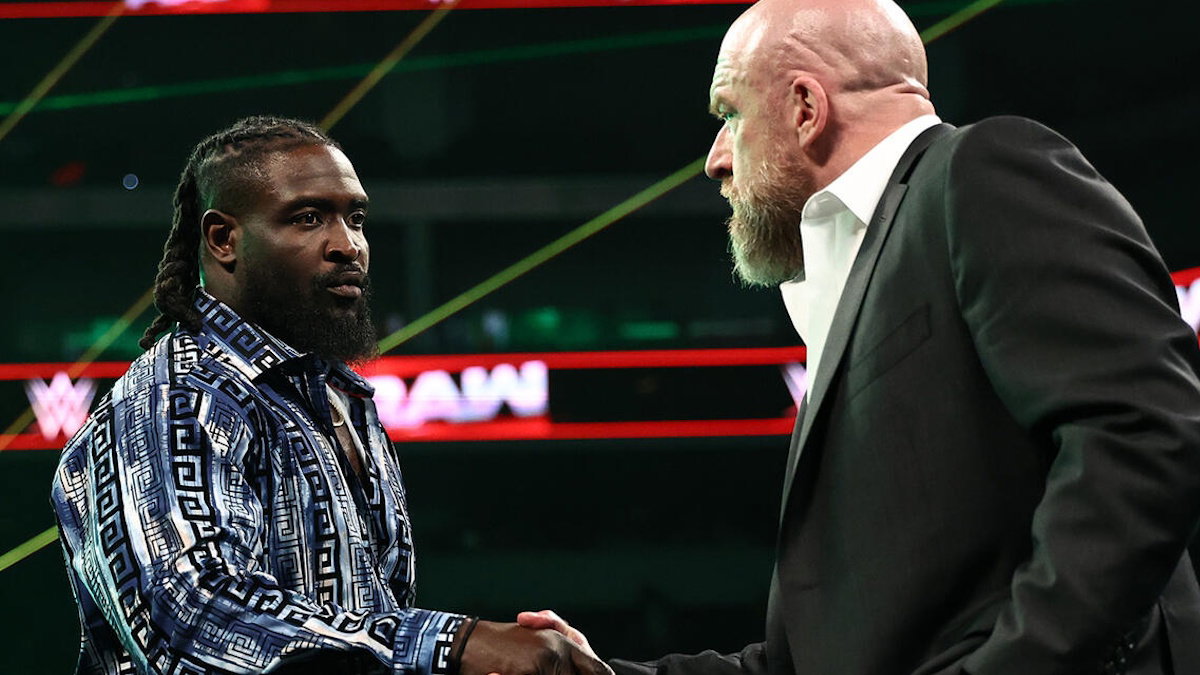
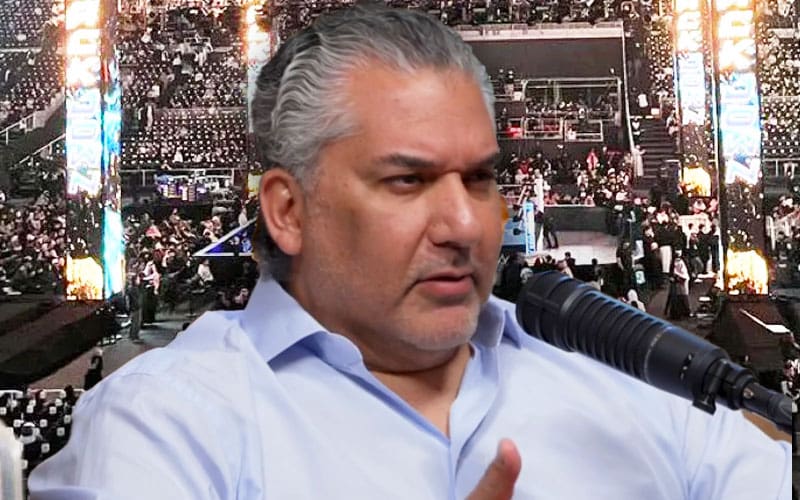
WrestleMania 41 is less than forty-eight hours away, and the air around Las Vegas is thick with the kind of skepticism that usually precedes a massive corporate swerve. For months, the industry has been dissecting the 2026 Royal Rumble, an event that left a bitter taste in the mouths of those expecting a seismic shift in the roster. We were promised fireworks; we got a controlled burn. WWE President Nick Khan recently addressed that lack of surprise entrants, effectively telling fans that the company is no longer interested in cheap pops that lead nowhere.
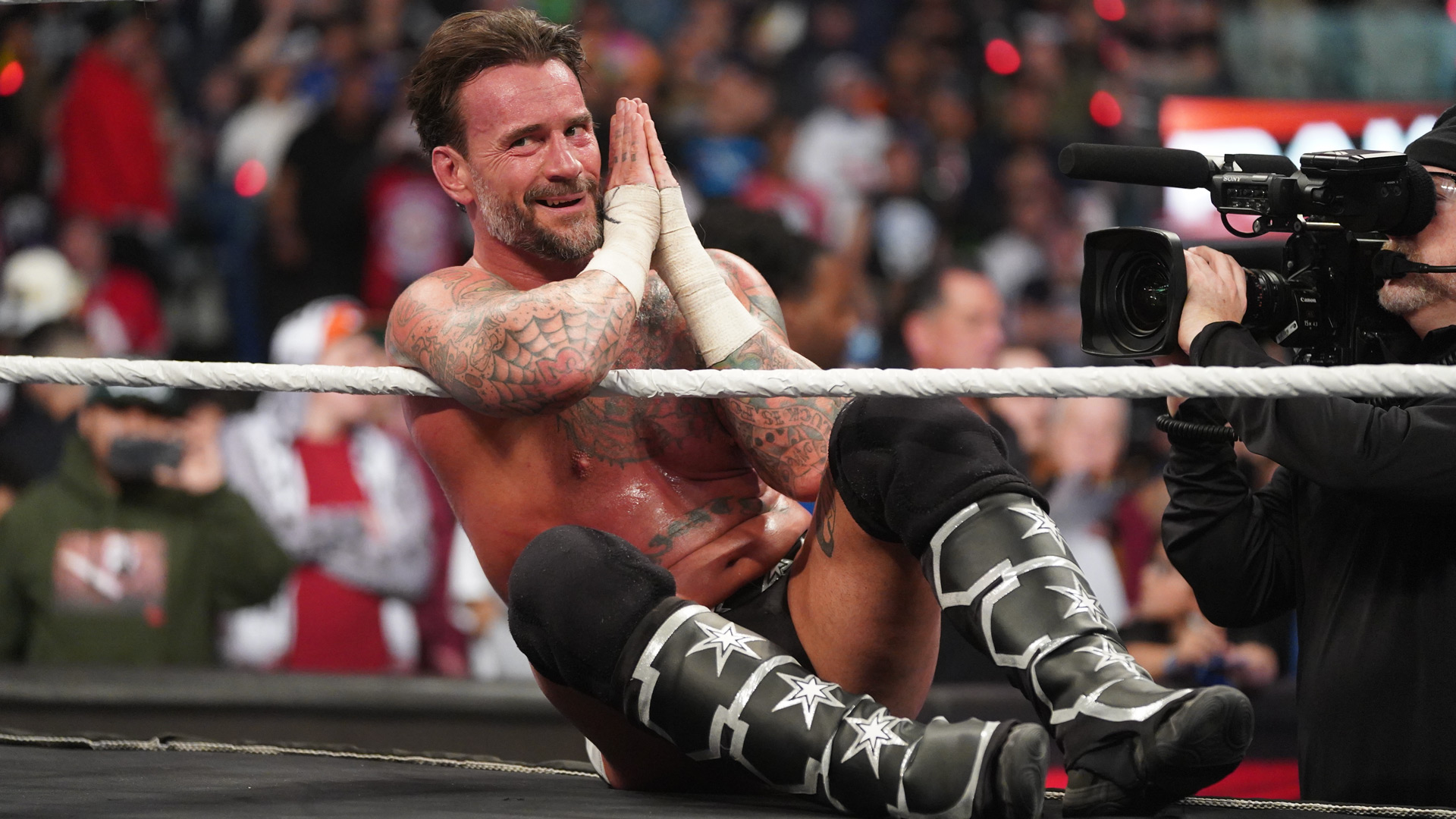
This shift in philosophy is the most significant indicator of where the next major signing is heading. The old guard of the 'transfer market' relied on the shock of a theme song hitting during a thirty-man over-the-top-rope battle. Khan has signaled that those days are over. If a major name is debuting in 2026, it is happening on the grandest possible stage with a long-term creative roadmap already in ink. The rumour mill is currently focused on a massive free agent jump—a move that would finally address the growing concerns about an aging main event scene.
The Age Gap Problem
WWE is currently walking a tightrope between nostalgia and necessity. Khan recently went on the record to address concerns about older stars and the perception that the product has cooled since the peak of the 2024-2025 boom. While the company publicly defends its veterans, the internal pressure to secure a 'pillar-level' talent from the competition has never been higher. You cannot build a decade of growth on the backs of part-timers, even if those part-timers are John Cena or Roman Reigns. The goal now is to find someone who fits the 'Rhea Ripley' mold—a talent capable of being the face of the company in 2033.
The trajectory for a potential signing like MJF or a similar top-tier AEW defector is clear. WWE is looking for someone who can step into a program with Cody Rhodes or Seth Rollins immediately without needing the training wheels of NXT. Khan’s recent praise of Rhea Ripley’s long-term potential isn't just a compliment to a current champion. It is a recruitment brochure. They are selling the idea of immortality and corporate stability to wrestlers who are tired of the chaotic, reactionary booking seen elsewhere in the industry.
The Social Media Shield
One of the most polarizing aspects of the current Nick Khan era is his absolute refusal to engage with the online wrestling community. Khan has stated multiple times that he never reads social media criticism, labeling the platform's user base as a vocal minority. This is a double-edged sword for any incoming talent. On one hand, you are protected from the immediate, often toxic backlash of a fanbase that might reject a former rival. On the other hand, it suggests a certain corporate deafness that can be frustrating for performers who thrive on organic, crowd-driven momentum.
People are allowed to complain but we don’t adjust our business based on complaints.
That quote from Khan is the cornerstone of his negotiation tactics. He isn't selling a dream; he is selling a spreadsheet that happens to involve wrestling. For a major transfer target, this means the 'creative freedom' they might enjoy in smaller promotions will be replaced by a rigid, data-driven machine. If you sign with WWE in 2026, you are agreeing to become a cog in a global entertainment engine. The trade-off is the 5 billion dollar reach of their streaming deals and the guarantee that your face will be on a lunchbox in five different continents by next Tuesday.
No Politics, Just Business
Creative direction for new signings has become increasingly streamlined and, some would argue, sanitized. Khan has been very clear that WWE is moving away from anything remotely controversial. He specifically noted that running a political angle—like the infamous idea of ICE arresting a talent—would be 'crazy' in the current climate. This is a direct warning to any incoming talent known for their edgy or 'worked-shoot' style promos. The 'transfer' from a more loosely governed promotion to the Khan-era WWE requires a personality lobotomy of sorts.
Any wrestler debuting at WrestleMania 41 will likely be stripped of their indie baggage. We saw it with Jade Cargill; we saw it with Cody Rhodes. The company wants the athlete, not the history. This is the critical observation many analysts miss: WWE is no longer interested in winning the 'internet war.' They are interested in maintaining a product that is safe for blue-chip advertisers and mass-market appeal. If a signing doesn't fit into a PG-rated, corporate-friendly box, the deal simply won't happen. This risk-averse nature is exactly why attendance numbers have seen a 12 percent dip in certain markets lately—the product feels predictable because it is designed to be.
Probability Assessment
The likelihood of a major signing debuting this weekend sits at a cautious 75 percent. All the markers are there. The 'disappointing' Royal Rumble was a tactical retreat, designed to lower expectations so that the WrestleMania payoff feels earned. Khan’s recent media tour is a classic distraction technique, filling the news cycle with business jargon to keep the actual creative surprises under wraps. He has spent the last week talking about house show schedules and social media habits, effectively burying the lead.
We are looking at a debut timeline that targets the post-main event slot of Night 2. With Cody Rhodes defending the title in a match that represents the culmination of years of storytelling, the only way to pivot into the next season is to introduce a new antagonist of equal gravity. The source credibility here is high—not because of 'insider' leaks, but because the business logic demands it. Khan knows that the company cannot continue to justify its valuation by relying on the 'older stars' he was forced to defend in recent interviews.
Expected Impact
If the deal for a major name like MJF—or an equally significant 'transfer'—goes through, the immediate impact will be felt in the merchandise sector rather than the ratings. Khan’s WWE is built on 360 degree monetization. A new top-tier star isn't just a wrestler; they are a new line of shirts, a DLC character for the next video game, and a media ambassador. The creative direction will likely be a slow-burn feud with an established name, avoiding any political or social commentary that Khan has deemed 'crazy.'
The negative side of this is the potential for talent stagnation. As we have seen with several recent signings, the 'WWE machine' can often grind down the very edges that made a wrestler popular in the first place. By ignoring the 'vocal minority' on social media, Khan risks missing the early warning signs of a gimmick that isn't clicking. The arrogance of not adjusting the business based on complaints is fine when you are selling out stadiums, but it becomes a liability when the 'vocal minority' starts influencing the casual majority. WrestleMania 41 will either be the start of a new era or a confirmation that WWE is content to remain a beautiful, profitable museum of its own history.
Read Next
- Nick Khan doesn't care about your tweets and honestly it's kind of refreshing
- Liv Morgan's mom is coming to Vegas and that should terrify Rhea Ripley
- Rhea Ripley's real WWE numbers prove her Twitter critics are just noise
- Nick Khan doesn't care if you're angry on Twitter
- 🏆 WrestleMania 41 — Full Coverage Hub