The Dempsey surname debate has hit a fever pitch
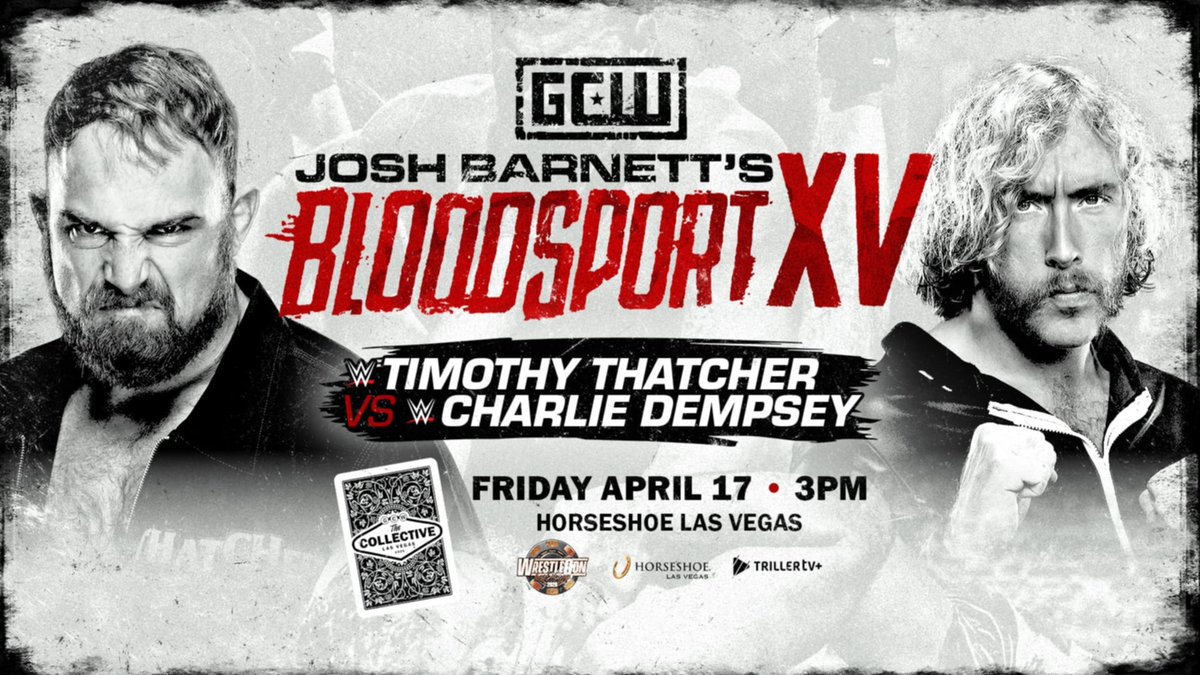
If you have spent more than five minutes on the wrestling corners of social media today, your timeline is undoubtedly choked with the latest discourse surrounding Charlie Dempsey. The news that William Regal explained why his son operates under a different name has sent the message boards into a typical tailspin of speculation, hot takes, and genuine mid-card appreciation. As WrestleTalk recently detailed, the move wasn't some elaborate corporate rebranding exercise. It was simply a guy who wanted to walk into the Performance Center without a neon sign hung around his neck pointing out his pedigree.
The reaction was exactly what you would expect from the armchair booking committee. On one side, you have the purists who are practically weeping with joy that a generational talent is doing the heavy lifting without the crutch of a legendary last name. They see Dempsey’s technical wizardry and his stiff, Euro-catch style as proof that the business still rewards grit over branding. These are the same fans who probably own a DVD copy of the 1997 WCW World War 3 pay-per-view just to see Regal work a submission hold.
Then, of course, you have the cynics. These people wouldn't be satisfied if they were handed a front-row seat to a Flair-Steamboat iron man match for free. They are currently filling threads with complaints that the name change is a hollow marketing tactic, arguing that everyone knows the lineage anyway so why bother with the charade? One particularly spicy take on the subreddit claimed that by dropping the Regal name, Dempsey is actually creating a bigger mystique, which is exactly what a legacy wrestler should do unless they want to be stuck in the mid-card doldrums forever.
The evolution of the legacy wrestler
Let's get real for a second: wrestling has a complicated relationship with the children of legends. We have seen it succeed where they embrace the name, like Cody Rhodes, and we have seen them bury it under gimmicks or new identities. Dempsey’s approach feels like a throwback to a different era. He is focusing on the catch-as-catch-can basics that make NXT feel like the most legitimate wrestling show on the planet half the time, and it is working because his in-ring psychology is sharper than most of the main roster.
Some fans aren't buying the altruistic narrative. A prominent user on X argued that in a company where branding is everything, distance from a name like Regal is a bold choice that flies in the face of how modern wrestling consumes talent. It is a genuine gamble. If he plays it safe and rides the coattails, he is just another guy in the mix. By choosing the hard road, he signals to the locker room that he is not there to trade on his dad’s old matches.
My take? The kid has it right. We are living in a moment where the audience is hyper-aware of how the sausage is made. We know he is Regal’s son. His movement patterns, that twitchy, aggressive way he moves into a hammerlock or a bridging suplex, are clearly influenced by the master himself, but he carries it with his own brand of indifference. Avoiding the surname removes the immediate, knee-jerk expectation that he needs to cut a tea-sipping villain promo to satisfy the legacy crowd.
The health of the business and the men behind it
While we debate surnames, there is a quieter, more concerning conversation bubbling up about the legends we grew up with. With news surfacing that some veteran icons are checking into emergency care, as seen in reports regarding recent health updates for WWE legends, it serves as a stark reminder that this stuff takes a literal toll on the human body. It is easy to get caught up in the fantasy booking and the social media slap-fights over who should be pushed, but the physical price paid by these performers is a reality that rarely gets enough respect.
The divergence between the younger talent seeking to build independence and the veterans dealing with the long-term cost of that same pursuit is striking. Dempsey’s choice to earn his way is commendable precisely because he is entering a field where his predecessors have literally sacrificed their health to provide the entertainment we pick apart every week. It reminds me of the classic era, where you had to work the territories until your knees clicked like a cheap pen just to get a spot on the card.
Ultimately, the argument for keeping the Regal name is based on name recognition. The argument for dropping it is based on respect for the craft. As much as I love a good lineage story in wrestling, I find the purists have the stronger case here. By forcing the audience to watch his work rather than just name-dropping his father, Dempsey is building a fan base that stays for the moves, the intensity, and the stiff, shoot-style strikes. He is not the only one doing it, but he is doing it with a level of technical polish that puts a lot of the high-flyers to shame.
- He is focusing on technical progression over character baggage.
- The fan engagement is rooted in his actual performance, not heritage.
- Dropping the name adds a layer of genuine mystery for newer fans.
- It avoids the unfair burden of comparison that crushes second-generation stars.
If we want the sport to feel vital, we need more guys like this who are willing to bet on their own ability to draw a crowd. The legacy can come later. Right now, Charlie Dempsey is doing the work. Sometimes, in the middle of all the noise and the internet debates, that is actually enough to carry the show forward.