A violently beautiful collision of styles
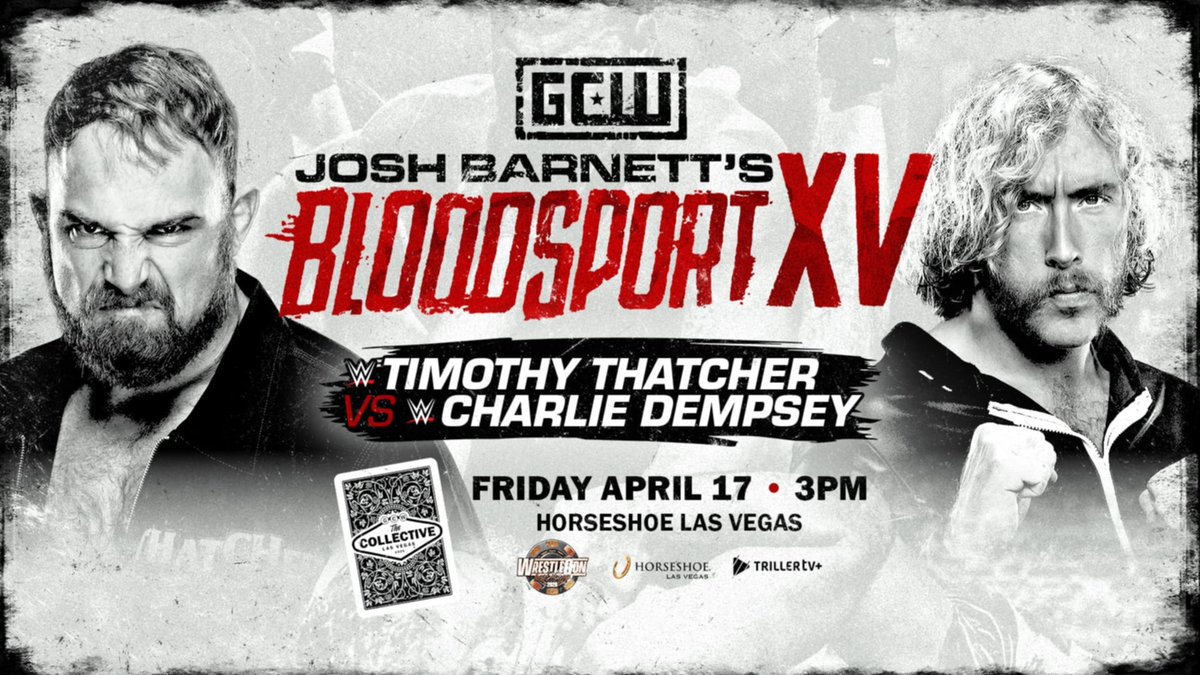
WWE sending Charlie Dempsey to Josh Barnett’s Bloodsport XV is a massive statement of intent from the front office. For years, the WWE developmental system operated in a completely sterile vacuum. Recruits learned how to hit their marks, find the hard camera, and execute highly choreographed sequences. They rarely learned how to make a simple hold look like a legitimate threat to an opponent's physical safety.
Dempsey represents the complete antithesis of that pristine Performance Center style. He wrestles as if he were pulled straight out of a smoky, sawdust-covered ring in 1980s Wigan. He does not care about popping the crowd with a flip. He cares about isolating a joint, tearing at the ligaments, and forcing the human body into agonizingly unnatural angles.
The Bloodsport environment strips away the ropes, the turnbuckles, and the safety net of pinfalls. You win by knockout or by submission. Period. This forces performers into an uncomfortable, hyper-realistic zone where legitimate grappling mechanics matter infinitely more than theatrical timing. Dempsey is biologically and stylistically built for this exact rule set.
The lost art of the mat return
If you watch Dempsey's recent television matches, his true brilliance lies in the spaces between the moves. Modern wrestling often suffers from an over-reliance on cooperation. You see guys blatantly waiting for their opponent to set up a spot. Dempsey never waits.
His mat returns are vicious. When an opponent tries to stand up from a waist-lock, Dempsey does not simply let go. He violently deadlifts them and dumps them flat on their chest. It is a grueling, energy-sapping style. He makes the viewer believe that every inch of ring positioning is being bitterly contested.
Look at his use of the double wristlock. He routinely uses it to ground faster, more athletic opponents. Once he secures the grip, he transitions smoothly into a surfboard stretch or a grounding neck crank. That hyper-focused mat awareness translates perfectly to the Bloodsport ring, where top control dictates the entire flow of the fight.
There is also the element of grip fighting. In traditional matches, collar-and-elbow tie-ups are basically cooperative handshakes used to initiate a sequence. Dempsey turns the tie-up into a violent struggle for inside control. He fights for wrist control with the urgency of an amateur wrestler down on points. This micro-level attention to detail is what makes him so compelling to watch.
When he secures a headlock, he does not just stand there resting. He cranks the neck, actively driving his knuckles into the temple. It is an old-school heel tactic, but it is executed with modern, athletic precision. This constant offensive pressure breaks opponents down mentally before their bodies eventually give out.
Most modern wrestlers apply a submission and leave dead space, allowing the opponent room to breathe and plan a counter. Dempsey actively drops his hips. He buries his shoulder deep into the opponent's jaw to create intense pressure. He makes the struggle look desperate.
Look at his recent form on Tuesday nights. Over the past three months, Dempsey has systematically dismantled the lower midcard. His head-to-head record against the current crop of high-flyers in the North American division is heavily skewed in his favor whenever a match goes past the 10-minute mark. While WWE does not heavily promote mat-time statistics, the tape does not lie. The longer Dempsey keeps an opponent grounded, his win probability skyrockets. He simply does not get pinned cleanly in long, drawn-out technical bouts.
The glaring flaw in the NXT midcard
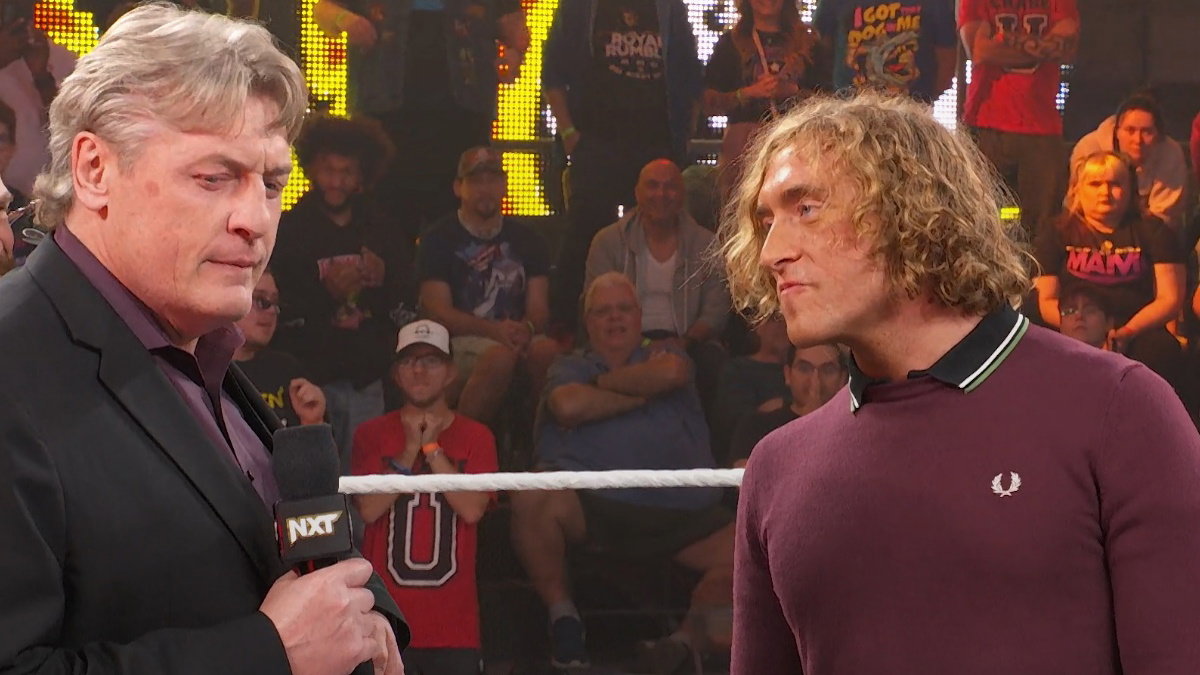
However, this crossover highlights a serious flaw with Shawn Michaels' current booking philosophy on Tuesday nights. NXT television right now is absolutely obsessed with rapid-fire multi-man matches and heavily scripted backstage melodrama. It often feels frantic, disjointed, and utterly exhausting to watch.
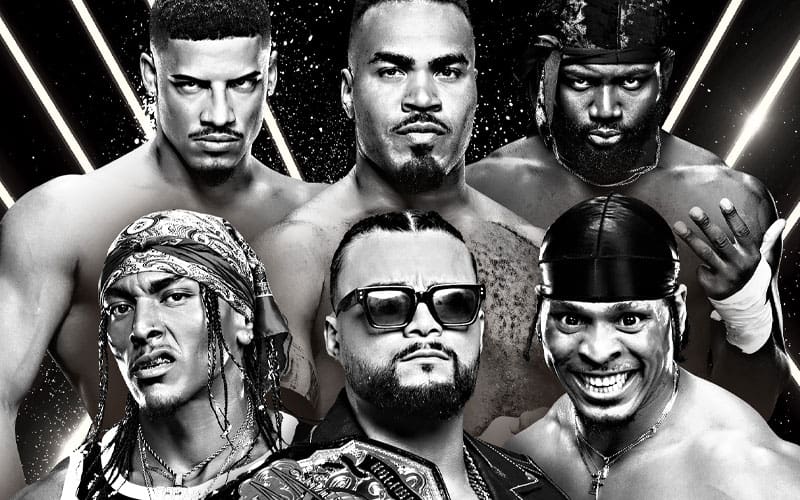
We are seeing even more names added to the NXT North American Title Gauntlet on a weekly basis. Let's be honest. Gauntlet matches are structurally lazy booking. They are designed to cram as many people on screen as possible without committing to a dedicated, long-term singles feud.
Dempsey deserves far better than being lost in a chaotic six-man scramble. His grinding, methodical style requires time to breathe. You cannot adequately tell a story of targeted joint manipulation and slow physical breakdown in a match where someone is hitting a blind suicide dive every forty seconds.
When Dempsey applies a cravat, he wrenches the neck at a sickening angle. That subtle, brutal detail gets completely lost in the sheer noise of a multi-man spotfest. NXT has a frustrating habit of treating technical wrestling as a bathroom break rather than a main event attraction. Dempsey's excursion to Bloodsport is proof that outside promotions value his specialized skill set far more than his home promotion currently does.
Why the Bloodsport rules favor the shooter
Let's look closely at the mechanics of a Bloodsport match. Without ring ropes, there are no Irish whips. Nobody is running the ropes to gain momentum. The entire pace slows down significantly. Striking must be sharp and precise, while grappling naturally takes center stage.
We also need to consider cardiovascular endurance. Multi-man matches often allow competitors to roll to the outside and rest while two other guys hit their spots. At Bloodsport, there is nowhere to hide. It is one-on-one, high-pressure grappling for the entire duration of the fight. Dempsey's conditioning is impeccable, built specifically for long, grinding exchanges rather than short explosive bursts.
Dempsey thrives in the tight clinch. He regularly uses stiff European uppercuts to back opponents into the corner on NXT television. Without turnbuckles at Bloodsport, he will likely use those exact same strikes to force a double-leg takedown. Once the fight goes to the mat, his deep catch wrestling pedigree takes over entirely.
He is not a high-volume striker. He does not throw wild boxing combinations. He throws single, heavy shots specifically designed to create an opening for a takedown. This is a very specific, tactical approach that frustrates opponents who want to stand and trade wild blows.
His bridging half-hatch suplex is a terrifying weapon. In a traditional professional wrestling match, it gracefully sets up a three-count. At Bloodsport, that same high-impact throw can be used to literally knock the wind out of an opponent, immediately setting up a Kimura or a punishing knee-bar. The rapid transition from a high-amplitude throw to a bone-snapping submission hold is where Dempsey truly separates himself from the rest of the pack.
Cross-promotional strategy and the endgame
WWE is clearly testing the waters with these indie partnerships. With multiple matches confirmed for Bloodsport XV, sending a contracted television talent like Dempsey is a calculated, low-risk test. They want to see if a guy with his unique pedigree can draw interest outside the safety of the WWE umbrella.
This initiative also serves as a warning shot to the rest of the roster. Management is showing that they value real, tangible ring skills over rehearsed acrobatics. By elevating a pure grappler in an outside promotion, they are subtly telling the developmental system to focus on the fundamentals. The message is clear: learn how to actually wrestle, or get left behind.
This is an incredibly smart play by the current administration. Instead of hoarding talent in the Performance Center, they are allowing specific wrestlers to get valuable reps in high-pressure, non-traditional environments. It builds Dempsey's credibility directly with the hardcore, independent fanbase.
When he returns to NXT programming, he carries the distinct aura of a legitimate shooter. We saw this exact strategy work beautifully with Shayna Baszler years ago. Her authentic MMA background made her a terrifying force in NXT because fans believed she could genuinely hurt people. Dempsey is building that exact same dangerous reputation right now. He is not just playing a tough guy character; he is proving his physical dominance in a shoot-style setting.
With WrestleMania 41 exactly 26 days away on April 19, the entire company is moving into its highest gear. The spotlight is blinding right now. Sending Dempsey out to a visceral, underground-style show during this exact window is no accident. They want him sharp. They want him mean.
The Gauntlet prediction
So, where exactly does this leave Dempsey in relation to the crowded North American Championship picture? The upcoming gauntlet match is a total mess of conflicting styles. You have high-flyers, heavyweights, and brawlers all thrown into one chaotic, poorly-structured match.
Here is the hard prediction. Dempsey returns from Bloodsport XV with a dominant, highlight-reel submission victory. He enters the NXT North American Title Gauntlet match with massive, undeniable momentum. The smart money is absolutely on him drawing a late entry number to capitalize on the exhaustion of the field.
The early entrants will inevitably wear each other down with high-impact dives, false finishes, and frantic weapon spots. Dempsey will walk down the aisle completely fresh. He will systematically dismantle the remaining, battered competitors. Look for him to immediately target the knees of the high-flyers to completely neutralize their aerial offense.
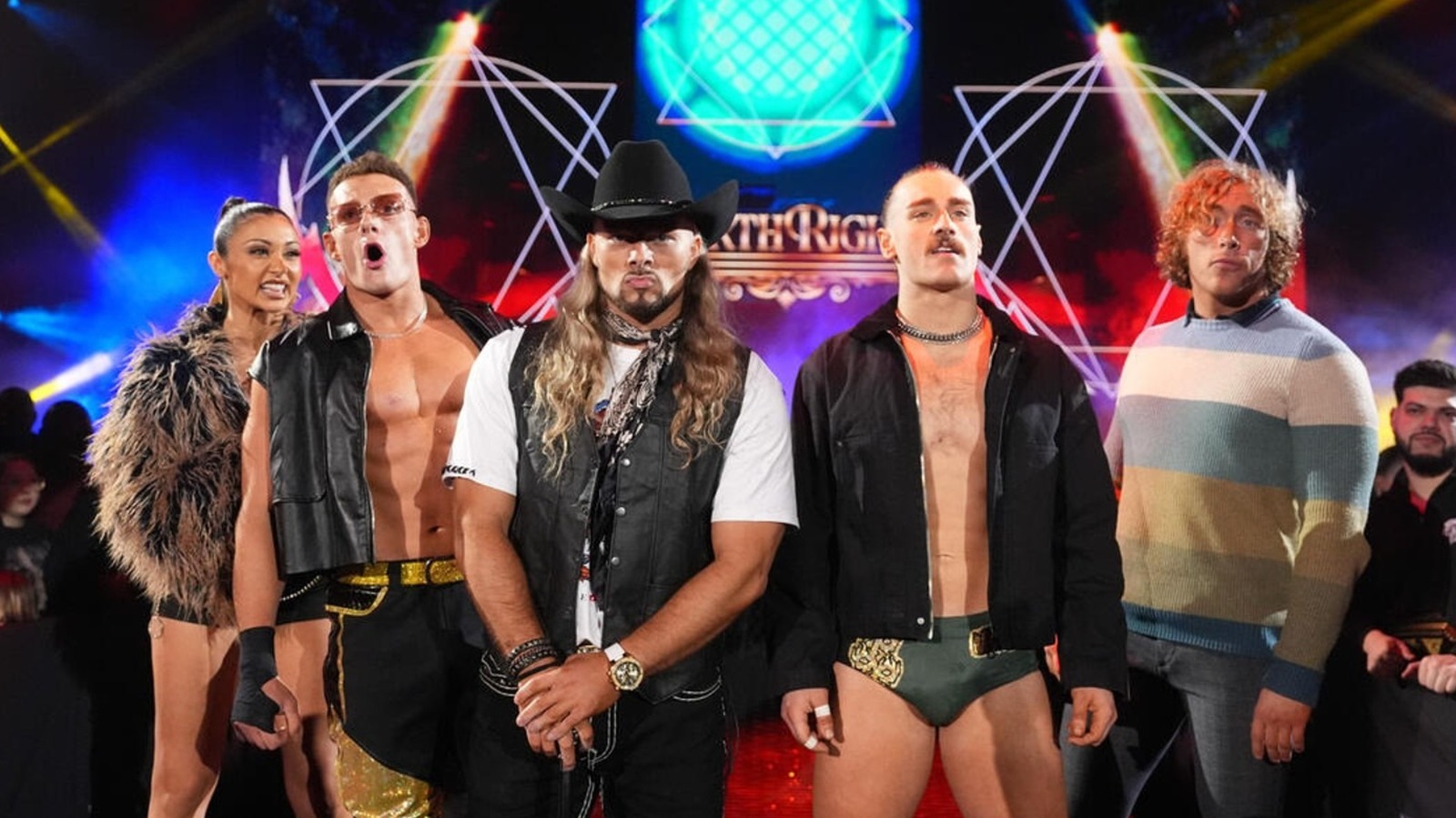
I predict Dempsey locks in a brutal, modified Regal Stretch on the final opponent, forcing an immediate tap out. The visual of him holding the North American title, backed by his No Quarter Catch Crew stablemates, is simply too strong for the booking committee to ignore.
He will win the gauntlet. He will take the championship. And he will ruthlessly defend it under his own strict, mat-based terms. The exhausting era of the multi-man spotfest is ending on Tuesday nights. The era of pure catch wrestling dominance is just beginning, and Bloodsport is just the violent prologue.