The State of the Yellow Brand
NXT is currently weathering a storm of sports competition and internal roster shifts. We are tracking a clear pivot toward faction-driven storytelling to stabilize flagging numbers as the brand fights for oxygen alongside the NBA and NHL playoffs.
1. Dark State
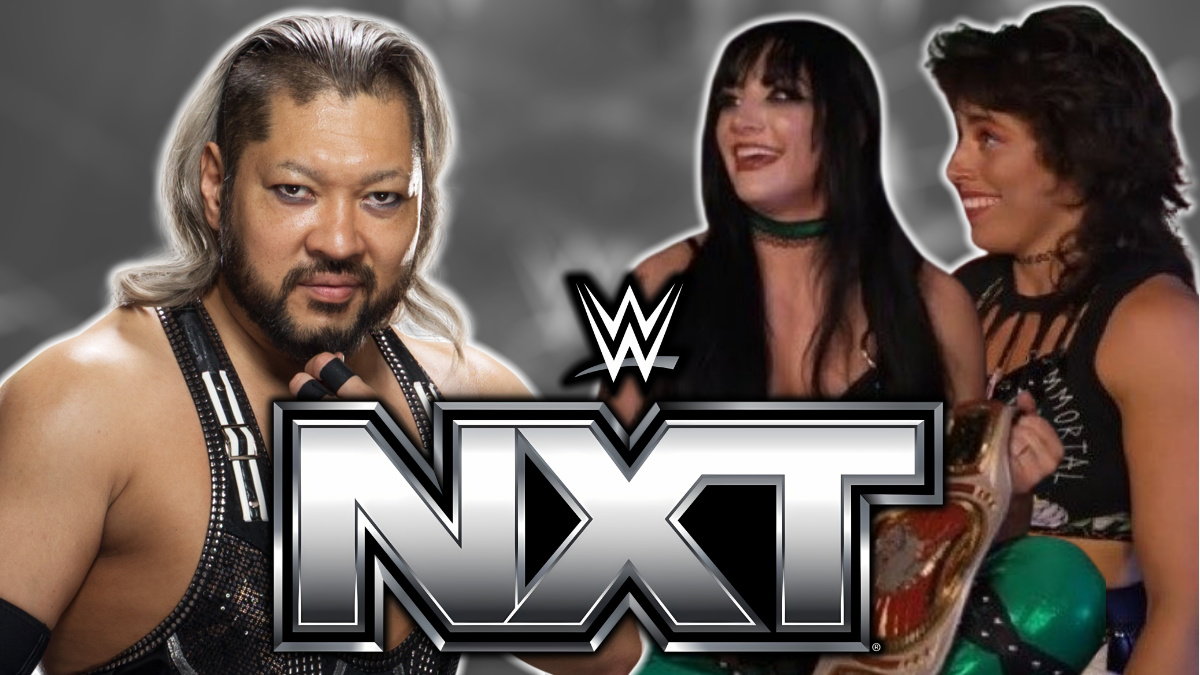
Leading the pack is undoubtedly Dark State, which has transformed from a loose alliance into the premier booking priority for head office. Their ability to dominate airtime during the May 26 broadcast was a masterclass in establishing a brand identity. They sit at the top simply because no other unit generates as much heat in such short windows. Every segment featuring their members drives engagement that the rest of the mid-card currently fails to capture.
2. The May 26 Recovery
While not a faction, the overall performance of the May 26, 2026 episode earns its spot for salvaging the brand’s momentum. After hitting record-low viewership numbers earlier this month, the show finally stopped the bleeding and began a measurable crawl back toward stability. This bounce-back validates the strategy of leaning into tighter, character-driven vignettes. Without this correction, the brand would be facing a much more dire narrative regarding its long-term viability.
3. The Emerging Faction Meta
The new wave of NXT factions represents a fundamental shift in how talent is being developed behind the scenes. By grouping individual prospects, the brand creates a safety net for green talent while amplifying existing stars. This experimental phase is necessary, though it does occasionally result in cluttered ring-side brawls that sacrifice ring psychology for numbers. It is easily the most significant development in talent management seen in Orlando this year.
4. The 18-49 Demo Struggle
The reality of the current 18-49 demographic drop against playoff competition cannot be ignored. While total viewership has stayed relatively flat, losing ground in the key demo to the NHL and NBA is a persistent issue for the product. This reflects a disconnect between the show's pacing and the preferences of casual sports viewers. Unless internal booking addresses this churn, the demo stagnation will continue to hinder growth.
5. The In-Ring Consistency Gap
A major critique of the current product is the inconsistency between high-level main events and the structural messiness of the undercard. We see stellar technical work on one hand, followed by disorganized segments that seem designed purely to satisfy a time slot. It is a frustrating reality for a brand that once prided itself on being the gold standard of professional wrestling. Fans are increasingly vocal about the lack of long-term payoffs for mid-card feuds.
6. Talent Utilization
The push to get more names on screen has created a heavy reliance on multi-man matches to fill the two-hour block. While this gives many newcomers a chance, it often robs the main title scene of adequate breathing room. We see the trade-off in the weekly viewership and ratings reports where the hourly breakdown shows a clear fatigue factor among the audience. Strategic limiting of these congested match types is required to improve the viewing experience.
7. Tournament Fatigue
The recent rush to run concurrent tournaments has bled into the NXT brand, causing a palpable lack of stakes elsewhere on the card. By forcing multiple brackets to play out alongside weekly episodic television, the creative team has left little room for organic character growth. The exhaustion is visible in the performances of the roster. It is a classic case of quantity over quality that has plagued the brand throughout this fiscal quarter.
8. The Mid-Card Pivot
The mid-card is currently desperate for a featured feud that doesn't involve a faction-wide brawl. There is a surplus of talented individual performers being buried under the weight of tag-team-oriented booking. Giving these athletes 15 minutes of uninterrupted ring time would do more for the product than another six-man scramble. The lack of individual narrative focus is a clear miss by the decision-makers.
9. Brand Synergy
The push to integrate raw call-ups and developmental talent has seen a 12 percent increase in inter-brand crossover appearances. While this helps spark interest, it often results in NXT feeling like a tertiary show rather than a destination. The brand needs to establish its own unique identity to survive the upcoming summer months. Being a feeder system is not enough in a crowded media space.
10. The 2026 Outlook
Finally, the outlook for the remainder of the year hinges on whether the current booking staff can maintain the steady ship they built on May 26. They have successfully avoided a total ratings collapse, which is a victory in itself. However, the next three months will define whether this is a genuine recovery or just a temporary pause in a downward trend. The pressure to deliver is significantly higher now than it was in January.
Honorable Mentions
The production design team deserves a nod for keeping the visual presentation high-tier despite recent budget scrutiny. Also, the commentary team's improvements in the last four weeks have kept the product engaging during slower matches. Finally, the return of classic cage stipulations has provided a much-needed injection of excitement into the weekly broadcast cycle.