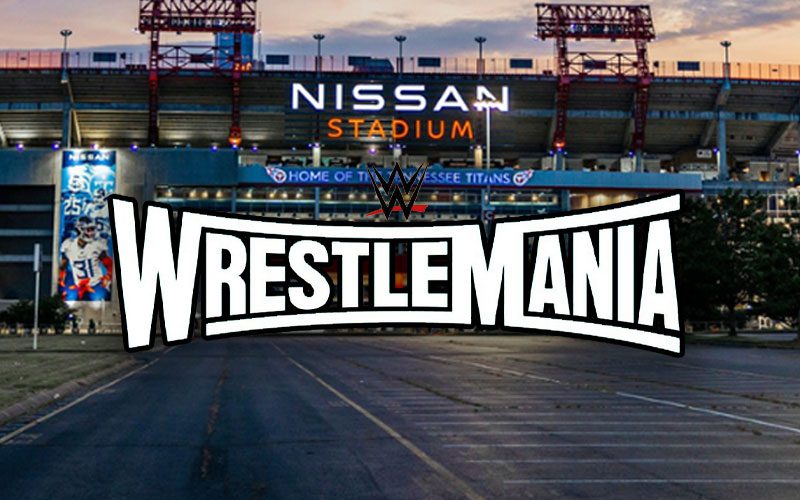
The cost of staging a spectacle
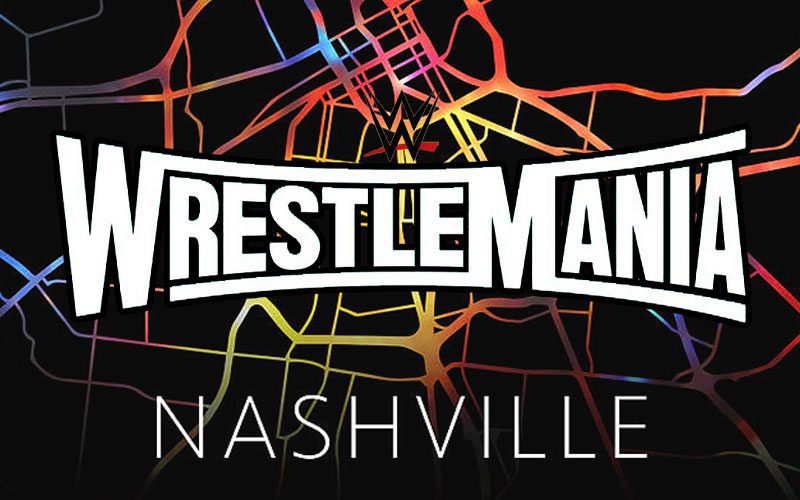
The math behind hosting a professional wrestling premium live event has shifted from simple venue rental to massive municipal investment. Nashville officials recently confirmed active negotiations with WWE regarding a future date, specifically targeting the 2028 cycle. The city has reportedly opened the bidding process with a 3.5 million dollar proposal.
This figure serves as a baseline for the modern destination model. By comparison, when WWE moved stadium shows toward international markets, the economic demand shifted significantly. Nashville is attempting to secure a marquee event by aggressive front-loading of public funds to compete with global bids that often rely on tourism board subsidies.
Analyzing the municipal investment
Local government involvement in professional wrestling is no longer about clearing parking lots. Officials in Tennessee are positioning their convention and visitors bureau as the primary financial driver for this potential deal. The 3.5 million dollar allocation suggests that the city views the event as a multi-day economic stimulator rather than a four-hour broadcast window.
The return on investment for cities hosting these events is often debated. Historical data from similar stadium-sized shows suggests that while direct tax revenue can spike over a 72-hour window, the long-term infrastructure impact remains varied. Nashville is betting the visitor influx will offset the public expenditure, despite the high volatility of stadium-level event pricing.
Defining the value proposition
The shift toward choosing cities based on bid packages rather than legacy venues is clear. WWE has moved away from the traditional model of relying on specific arenas. Instead, the promotion treats the host city as a contract partner. This creates a competitive procurement process that inflates the cost of entry for U.S. cities.
This aggressive pursuit highlights a potential blind spot for municipal budget planners. If Wrestling Inc reports suggest these negotiations are moving rapidly, the pressure on local tax coffers grows. A 3.5 million dollar bid represents a significant commitment for a city, especially when factoring in the auxiliary security and sanitation costs that fluctuate based on local wage agreements.
The strategic pivot
It is worth noting that Nashville’s interest isn't just about attendance numbers. It is about the ability to host a week-long calendar of activities that forces hotel occupancy rates to peak. Data from previous city-led bids indicates that occupancy spikes of 15 to 20 percent are often required to justify these public contributions.
If Nashville secures the event as F4WOnline highlights, they will be joining a very specific tier of destination cities. The challenge remains the maintenance of this revenue flow after the pyrotechnics end. WrestleMania is an expensive guest; while the headlines focus on the 3.5 million dollar number, the true cost to the city will likely settle closer to double that figure once logistical overhead is reconciled.
Ultimately, the city is buying relevance at a premium. Whether the local taxpayers see a return on that capital is irrelevant to the initial corporate agreement. For now, the handshake in Nashville is defined solely by the reach of the city’s budget.
Read Next
- Drew McIntyre's WWE absence is the smartest booking decision of the year
- Stephanie Vaquer sidelined as WWE shuffles plans
- WWE is betting on two-night SummerSlam scale with no safety net
- Ricky Saints just crashed Cody Rhodes' return and completely altered Backlash
- 🏆 WrestleMania 41 — Full Coverage Hub