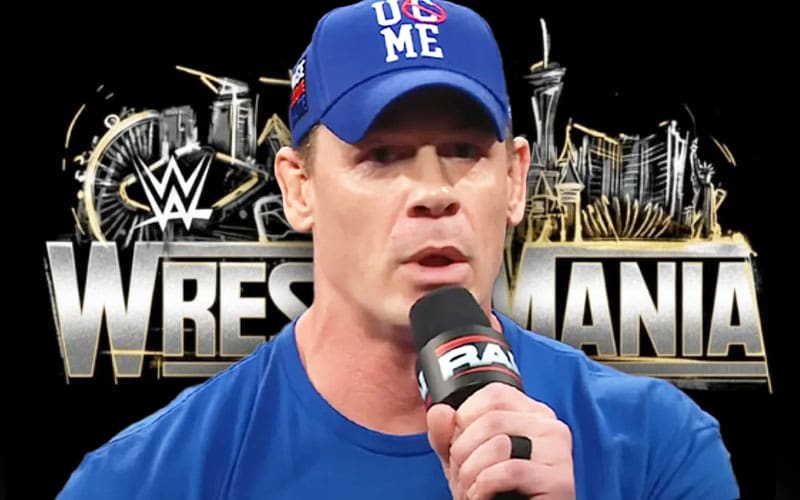
The ancillary economy of WrestleMania
When WWE descends on Las Vegas for WrestleMania 41, the main card is only the tip of an iceberg. Hosting a live show at the Circa Resort & Casino on April 16, Chris Van Vliet is tapping into a market that has expanded well beyond the confines of the actual squared circle.
Historically, the week leading into WrestleMania was a frantic sprint of autograph signings and local indie shows. Now, the event has mutated into a massive media festival that spans regional resorts and independent venues.
Mapping the density of event programming
Van Vliet’s appearance at the Circa Resort & Casino is scheduled just 72 hours before the first bell of WrestleMania 41. This timing is strategic. Attendees are flooding into the desert early, turning a two-day wrestling event into a six-day fiscal marathon.
Professional wrestling media has shifted from static journalism to high-production live experiences. The inclusion of podcasts and live variety shows in official or semi-official capacity suggests that the Chris Van Vliet live show is part of a larger trend where content creators are scaling their individual reach to meet the increased geographic density of fans.
The hidden friction of scaling fan experiences
Despite the growth, there is a fundamental flaw in this model. By spreading fan attention across 15 to 20 secondary events per day, the quality of interaction at the marquee shows potentially drops. When a fan splits their time between a 1:00 PM live panel and a 4:00 PM indie show, the probability of complete burnout by the time the stadium gates open is high.
Data from previous years shows that attendee spending at secondary events often cannibalizes primary ticket revenue if the programming is not distinct enough. Booking talent for a show on a Wednesday is a low-risk gamble, yet it signals just how saturated the market has become.
We are observing a shift where the product is no longer just the match results, but the sheer volume of access provided to the fanbase. If Van Vliet’s ticket sales hit capacity, it confirms that fans are valuing direct, intimate interaction over the massive spectacle of the stadium until the final 48 hours of the week.
What the numbers indicate for future scheduling
The decision to host an event on April 16—a full 3 days before WrestleMania begins—demonstrates how WWE’s global impact has completely rewritten the Las Vegas convention calendar. This isn't just about wrestling; it is about utilizing the $1.5 billion in annual revenue that large-scale events generate for the local tourism sector.
If the trend continues, the week preceding the event will likely reach a maximum capacity threshold where too many events dilute the audience. Currently, the industry sits at a point where growth in content volume is outpacing the growth of the audience wallet, creating a precarious balance for promoters who rely on fan spending to cover increasing venue and travel overheads.