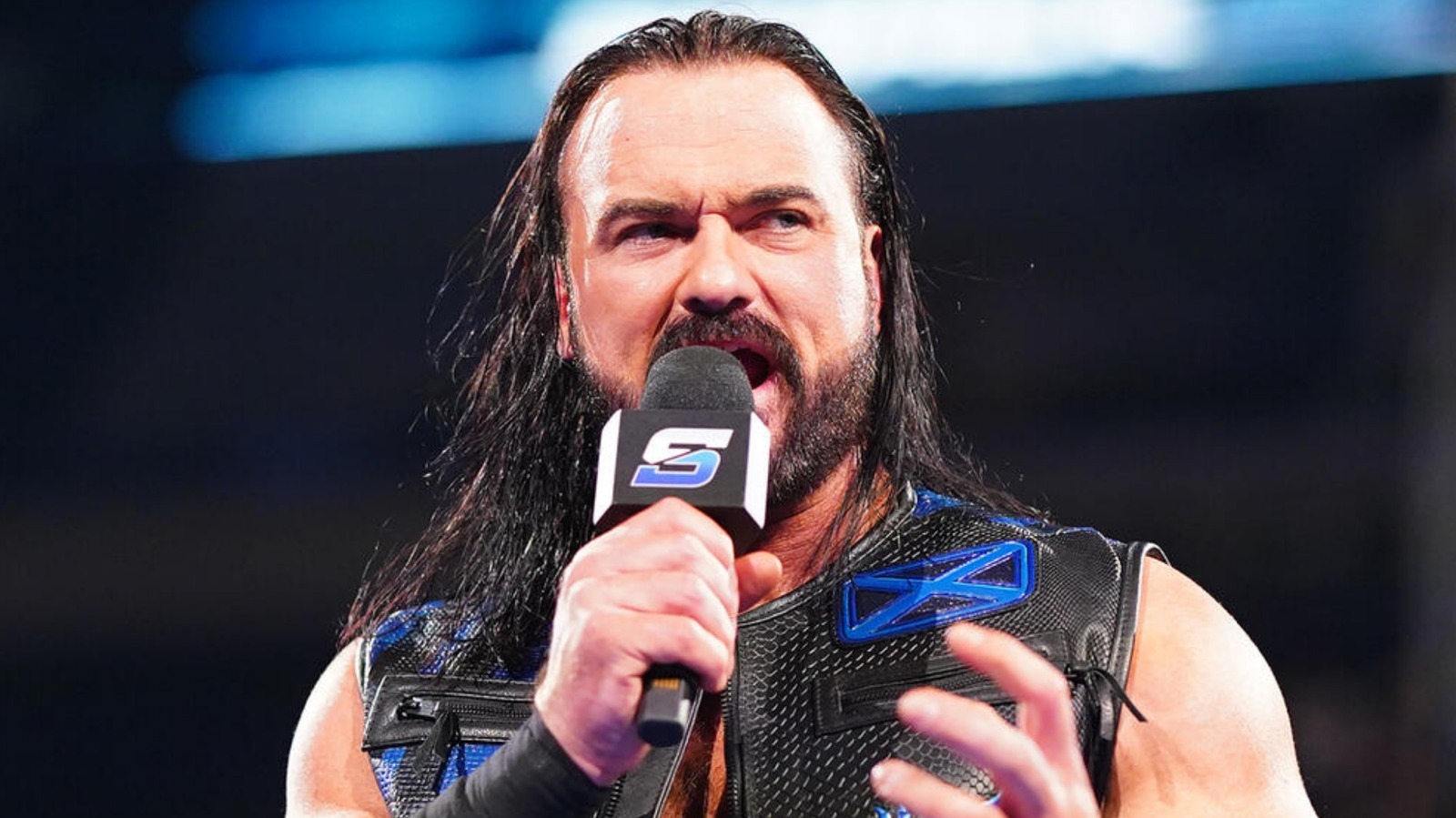
Drew McIntyre's WWE absence is the smartest booking decision of the year
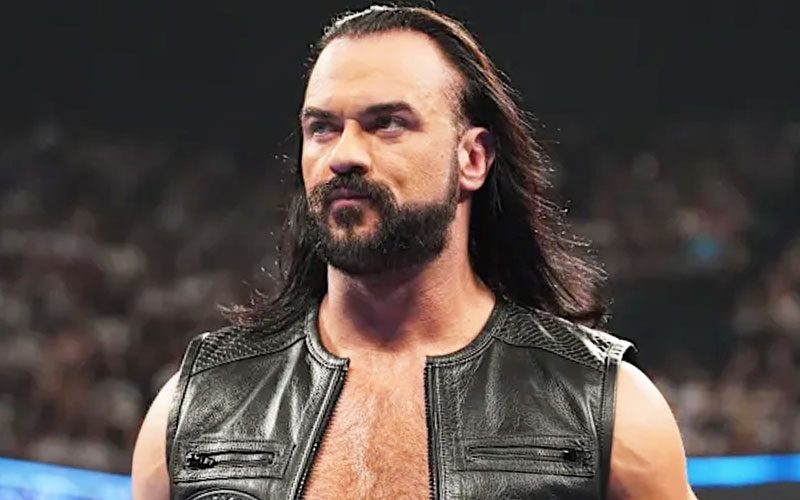
The value of simply going away
The most important factor in a wrestler's longevity isn't their workout routine. It is their absence. After years of relentless television appearances and brutal house show loops, Drew McIntyre has vanished from WWE programming.
The Scottish warrior hasn't been seen since the dust settled in Las Vegas last month. Fans immediately started asking questions. They shouldn't.
Ringside News recently reported that his sudden disappearance had the audience searching for a clear answer. The reality is far less dramatic than a contract dispute or backstage heat. It is a calculated exercise in resource management.
He needs it. We need it. The entire Monday Night Raw roster needs it.
For the better part of four years, McIntyre has been the most reliable worker in the company. When Roman Reigns was working a heavily reduced schedule, McIntyre was on television every single Monday. He wrestled on Raw. He worked the weekend loops. He flew to every international premium live event.
That kind of workload breaks down a performer. It wears out their joints. More importantly, it wears out their welcome with the audience. Absence makes the heart grow fonder, and WWE is finally applying that logic to their most overexposed stars.
The physical toll of the claymore
We routinely ignore how large McIntyre actually is. He is listed at six-foot-five and nearly 285 pounds. Men of that size are not supposed to bump the way he does.
He throws his massive frame into every motion. The Claymore kick requires him to launch himself backward, landing flush on his upper back and neck. He executes this maneuver multiple times a week. Over a calendar year, that adds up to hundreds of high-impact collisions with the canvas.
Look at his match history over the last twelve months. He didn't take nights off in the ring. He took table bumps. He bled. He was routinely thrown into steel steps and barricades by much smaller opponents.
The human body is not built to sustain that punishment indefinitely. You can only tape up your knees so many times before something snaps. WWE has a terrible habit of running their top stars into the ground.
They find someone who can draw a rating and squeeze every drop of value out of them. We saw it with Seth Rollins. We saw it with Jon Moxley before his exit. They almost did it to McIntyre.
He was visibly banged up heading into WrestleMania in Las Vegas. He was working through minor injuries and pushing through obvious pain. Pulling him off television right now prevents a catastrophic, career-ending injury down the line.
The limits of the hater gimmick
Character preservation is just as vital as physical health. McIntyre's character work over the last year was phenomenal. He morphed into the biggest hater in professional wrestling.
He trolled CM Punk relentlessly. He hijacked social media accounts. He cut scathing promos that intentionally blurred the line between the script and reality.
It was incredibly entertaining. But the gimmick was starting to plateau. You can only be a miserable, complaining heel for so long before the live crowd stops reacting.
The jokes become repetitive. The promos start hitting the exact same narrative beats. McIntyre had called everyone a hypocrite. He had laid out his grievances week after week. He simply ran out of new material.
If WWE kept him on television this month, he would be treading water. He would have entered a meaningless filler feud with someone like Jey Uso. He would have cut the exact same promos we heard in February.
By disappearing entirely, he preserves his heat. When he finally returns, it will feel like a massive event. The crowd will be genuinely excited rather than fatigued.
A lesson from the tribal chief
WWE accidentally discovered the perfect formula for main event longevity with Roman Reigns. Less is more.
Reigns wrestled a fraction of the matches McIntyre did over the last three years. Yet Reigns always felt like a much bigger star. Every time Reigns showed up, the segment felt important.
McIntyre became a victim of his own reliability. Because he was always present, the audience stopped appreciating him. We expected him to deliver a twenty-minute classic on a random episode of Raw.
He needs to be a special attraction. He has earned that elite status. He should not be wrestling on free television every Monday night.
Creating a vacuum on Raw
McIntyre's absence does not just benefit his own career. It helps the rest of the locker room. Monday Night Raw has a finite amount of television time.
When McIntyre is active, he commands at least two segments per broadcast. He gets a ten-minute promo. He gets a fifteen-minute main event match. That is twenty-five minutes of premium television denied to anyone else.
With McIntyre sitting at home, that time opens up. Younger talent gets a chance to shine. Guys who have been stuck in catering suddenly have an opportunity to make an impact.
Look at the upcoming Backlash card on May 9. Without McIntyre dominating the build, WWE is forced to elevate other performers. They have to rely on different names to carry the premium live event.
A deep roster is a healthy roster. Taking a top star away forces the creative team to actually write compelling angles for the midcard.
The booking mistakes
This break is necessary, but we shouldn't pretend WWE handled his recent run flawlessly. There were glaring errors.
They booked him into a corner multiple times. The constant interference finishes protected his opponents but made McIntyre look completely foolish. A vicious brawler shouldn't be constantly outsmarted by outside interference.
They also mishandled his alignment. Was he a heel? Was he a misunderstood babyface? He was cheered wildly in certain cities and booed mercilessly in others.
WWE never fully committed to one direction. They wanted the heat of a villain but the merchandise sales of a hero. That indecision diluted his impact. This time away allows the writing team to pick a definitive lane.
The ghost of Chicago
It is impossible to analyze McIntyre's recent run without discussing his feud with CM Punk. It drove massive engagement metrics across all platforms.
McIntyre played the obsessed rival perfectly. He prayed for Punk's downfall. He laughed at his triceps injury. He wore a t-shirt featuring a tombstone with Punk's WrestleMania dreams written on it.
It was masterclass-level trolling. But a program of that intensity takes a massive mental toll. You have to constantly invent new ways to insult your opponent.
When the feud concluded, there was nowhere left to go. McIntyre had spent half a year defining himself entirely by his hatred for another man. Once that story ended, his character felt totally unmoored.
Who is Drew McIntyre when he isn't fighting CM Punk? We don't really know. Returning immediately would have exposed the creative team's lack of a backup plan.
The anatomy of a workhorse
To truly understand why McIntyre needs this break, look at the sheer volume of his output. During his peak run, he was wrestling over 100 matches a year.
That number might not sound staggering compared to the brutal schedules of the 1980s. But modern wrestling is vastly different. The pace is faster. The bumps are significantly harder.
McIntyre doesn't just work safe, basic matches. He takes suplexes on the hard ring apron. He gets put through announcement tables.
He is a giant who bumps like a cruiserweight. That is a rare commodity in this industry. Taking a step back right now is the only way to ensure he is still main-eventing shows three years from now.
Consider his historical journey. He was handed the chosen moniker by Vince McMahon in 2009. He crashed and burned. He was eventually released.
He went to the independent circuit and completely rebuilt his body, his style, and his confidence. When he returned, he was unrecognizable. He was larger, faster, and possessed an intense, believable aura.
He did not achieve that initial transformation by working fifty weeks a year on television. He achieved it by taking time to reinvent himself.
Moving the needle
Television executives and live event promoters look strictly at data. When McIntyre is advertised for a show, ticket sales demonstrably move. His merchandise sells consistently well across the globe.
But even the biggest draws experience diminishing returns if they are constantly available. If fans know they can see McIntyre on Raw every single week, they are less likely to buy a ticket to a house show.
By removing him from the weekly rotation, WWE creates artificial scarcity. Scarcity drives demand. The next time he is announced for a show, it instantly becomes a priority.
This is basic economics applied to sports entertainment. WWE has historically failed at this concept. They overexpose their top talent to feed the endless maw of weekly television programming.
It is genuinely refreshing to see them employ some restraint. They have a deep enough roster right now to afford giving a main event guy months off.
The microphone workload
Beyond the physical toll, we must consider the creative exhaustion. McIntyre has been carrying heavy promo segments for years. Being a top guy means talking for ten minutes straight in front of a live crowd.
He rarely scripts his promos word-for-word. He works off bullet points and reacts to the crowd. That requires intense focus and constant mental agility. Over time, that creative well runs dry.
Stepping away allows him to stop thinking about his next clever comeback. He can stop agonizing over how to trend on social media. He gets to exist as a normal human being for a few months before putting the armor back on.
Refining the violence
When McIntyre inevitably returns, his in-ring style needs a slight adjustment. He has become far too reliant on the Claymore kick. The setup takes too long. The countdown is entirely too predictable.
He needs to bring back a sense of brutal unpredictability. He should win matches with the Future Shock DDT again. He should win with a simple, devastating lariat.
If he comes back as a ruthless enforcer, he needs to wrestle like one. The matches should be shorter and more violent. He should dismantle lower-tier opponents in two minutes flat.
No more fifty-fifty booking against guys half his size. The audience needs to believe he is a legitimate, terrifying threat to anyone on the roster.
You don't build that belief by having him struggle to beat a midcarder on a random Monday night. You build it by having him break people. He needs to leave a visible trail of destruction.
The inevitability of the return
The beauty of a planned absence is the guaranteed pop of the return. Wrestling thrives on surprises. The moment the opening notes of his entrance music hit, the arena will explode.
The timing has to be carefully calculated. SummerSlam is the obvious target. Returning a few weeks before the second biggest show of the year gives him an immediate marquee matchup.
He could cost someone a major title. He could interrupt a champion's promo. He could simply walk out and lay waste to half the locker room.
What matters is that the time away is long enough to mean something. A three-week vacation is not an absence. That is just a scheduled break. He needs to be gone for months.
The long game
Fans panic when their favorite wrestlers disappear. The immediate reaction on social media is always fear. Is he injured? Is he leaving for a rival promotion?
In this case, the panic is completely unwarranted. This absence is a strategic withdrawal. It is a long-term play for a guy who has been sprinting a marathon.
Professional wrestling is a highly cyclical business. You have to ride the wave when you are hot, and you have to get out of the water before you crash into the rocks.
McIntyre got out just in time. His body will heal. His mind will reset. His character will rest.
When he comes back, he will be operating at an entirely different level. The Scottish Psychopath is taking a seat on the bench. The rest of the roster better enjoy the peace while it lasts. The violence will return soon enough.
Mattel WWE Elite Collection Series 109 - Jey Uso Action Figure
Main Event Jey Uso in his signature gear, complete with articulations for high-f
More Coverage
Why the Broken Hardy act is a major gamble for Philadelphia
9 minutes ago
WWE reshuffles NXT pipeline as Meghan Walker eyes main roster debut
an hour ago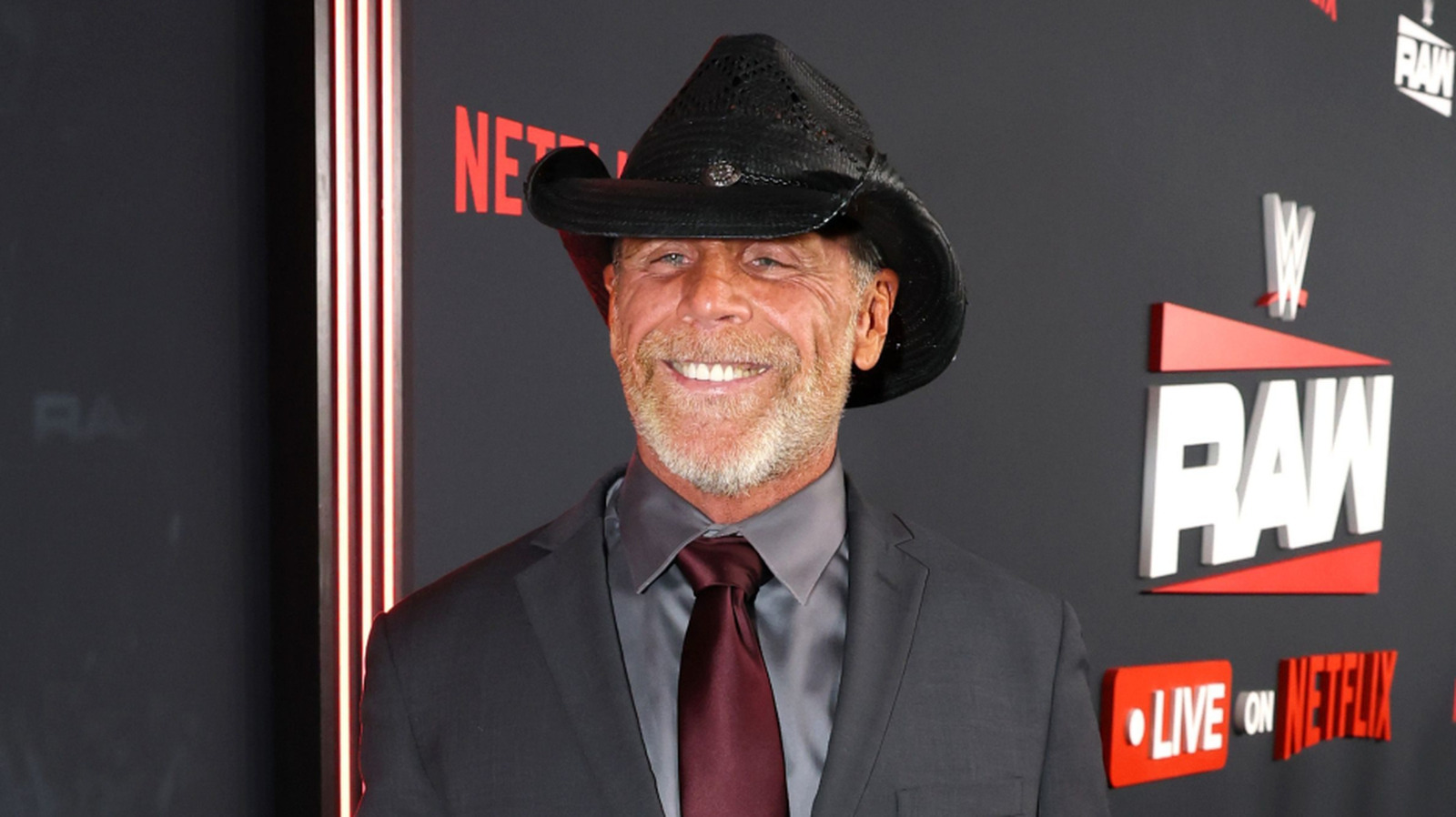
Andre Chase pulls back the curtain on the Shawn Michaels era at NXT
2 hours ago
The Andre Chase effect: Why Shawn Michaels is the ultimate NXT headmaster
2 hours ago
Drew McIntyre sidelined following brutal SmackDown encounter
6 hours agoWWE's New York gamble is a calculated risk ahead of WrestleMania 42
7 hours agoMore Analysis
Drew McIntyre is missing and WWE is playing a dangerous game with its MVP
2 months, 2 weeks agoDrew McIntyre is playing a dangerous game with his own momentum
3 months, 2 weeks ago
Why Drew McIntyre's sudden WWE absence has the AEW rumour mill spinning
2 months, 2 weeks ago
Drew McIntyre prioritizes recovery following personal loss and grueling schedule
3 months, 2 weeks ago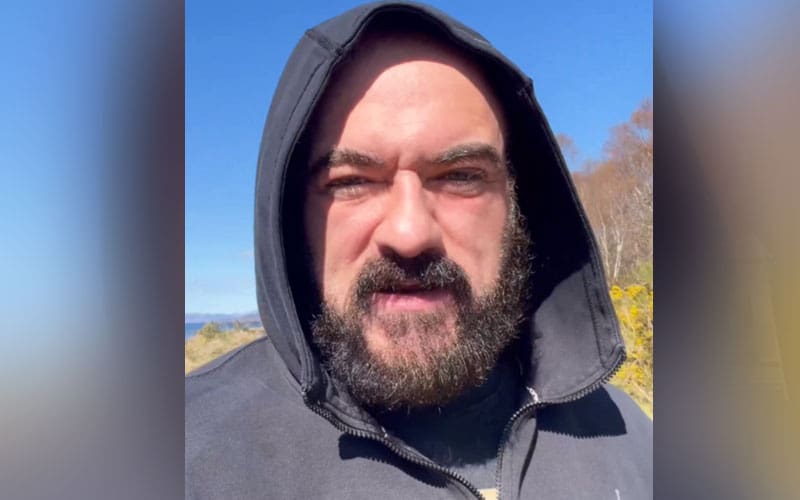
Drew McIntyre is trolling his way to a WrestleMania 41 masterclass
3 months ago