The Fallout from the Stephanie Vaquer Injury
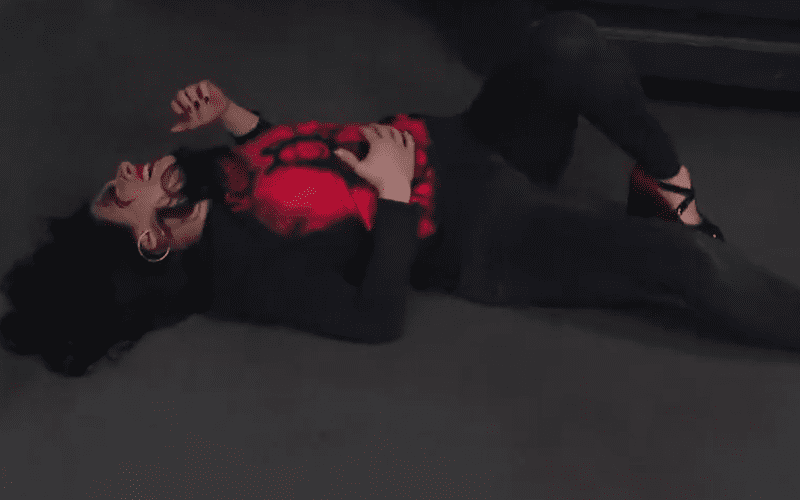
WWE is managing a significant personnel gap heading into the May stretch. Stephanie Vaquer, the standout international talent, is currently sidelined with a physical issue that has forced creative leads to abandon their current trajectory for her. According to reports from F4WOnline, Vaquer is expected to remain inactive for the foreseeable future.
This absence creates a vacuum in the women's division. WWE was forced to scrap a major match involving Vaquer, a move that disrupts the flow of recent programs as the company looks toward premium live events. The booking team now faces the task of pivoting on short notice while the roster remains thin in high-profile technical competitors.
Creative Disruptions and Strategic Misses
Pulling Vaquer from the card is a tactical failure in scheduling. WWE rarely has enough depth to absorb a sudden absence in their premier women's bracket, and this scramble to reorganize shows a lack of contingency planning. As Ringside News outlined, the discarded matchup was intended to bolster the mid-year momentum. Now, that time is lost.
This isn't an isolated incident, but rather a recurring vulnerability. Whenever a foundational talent goes down, the division often struggles to maintain the intensity required to sustain fan investment through the summer. The reliance on singular, top-tier talent often leaves the mid-card segments feeling hollow when a pivot becomes necessary. It forces the writing staff to rely on repetitive rematches to fill time, a strategy that rarely yields long-term dividends.
The Broader Context of Talent Availability
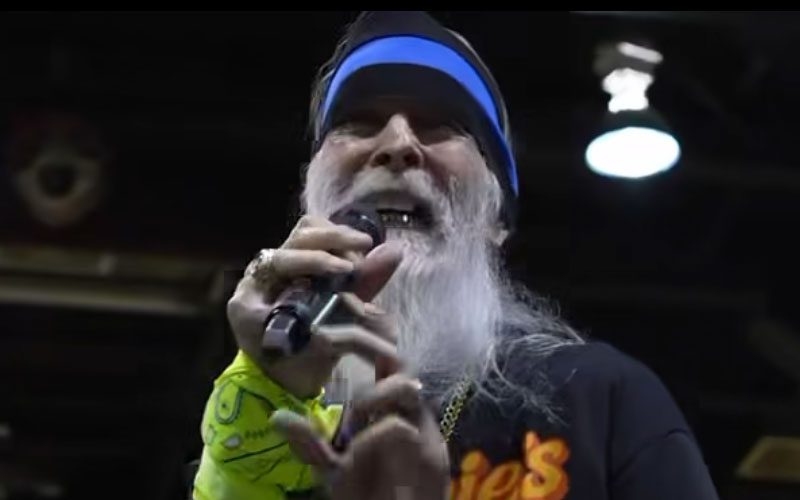
Pro wrestling history is littered with momentum-killers caused by sudden exits. Vaquer’s timeline stands in contrast to the late-career exits we see elsewhere, such as the final advertised match of Jimmy Valiant, which provided a sense of closure that Vaquer’s current situation denies the fans. The sport remains physically demanding, and the risk of recurring injuries is a constant factor that impacts title defenses and PPV builds.
Observers continue to track how these shifts impact big-name players elsewhere. For instance, Jim Ross recently discussed the apparent retirement of Brock Lesnar, noting how the absence of major stars forces the locker room to adapt. While the circumstances are different, the outcome remains the same: the product is forced to evolve overnight. Without Vaquer in the mix for the May 9 Backlash event, the creative staff is working with a restricted set of variables.
The Road Ahead
Competitors on the roster need to step up immediately to fill the gap left by her unavailability. This provides an opportunity for underutilized performers but also places pressure on the women's division to deliver high-quality segments without one of its most reliable workers. The May 9 event in particular will serve as a bellwether for how effectively the brand can pivot during a high-stakes period.
Management needs to demonstrate that they have a plan for the next 30 to 60 days. If the booking team relies on stall tactics or low-stakes filler, they risk losing the engagement they fought hard to gain in early 2026. Stability is currently in short supply, and the way they navigate this injury will be the primary indicator of whether the current booking strategy is resilient or simply riding on luck.