The defining beats of a chaotic year
Professional wrestling in 2026 relies on volatility. We have seen established hierarchies dismantled and mid-card acts ascend to main event status through sheer force of will.
This list identifies the moments that shifted the competitive balance. It tracks the needle-movers rather than just the high-spots.
1. Joe Hendry answers the Orton challenge
Joe Hendry appearing on WWE television to confront Randy Orton was the singular event that erased the wall between promotions. It proved that crowd reaction dictates booking faster than corporate strategy can manage. Hendry did not just show up; he commanded the space, leaving Orton in a visible state of confusion. This moment effectively launched the Scottish star into the top 0.1% of wrestling free agents.
2. The Double or Nothing injury attrition
The aftermath of the May 2026 pay-per-view cycle exposed a glaring flaw in modern scheduling. As AEW medical reports indicate, the cumulative toll on the roster is reaching a breaking point. Watching key figures go down mid-program forces creative to pivot into panic mode. It is a harsh reminder that depth, not star power, keeps a company alive.
3. The transparency of the MVP fines
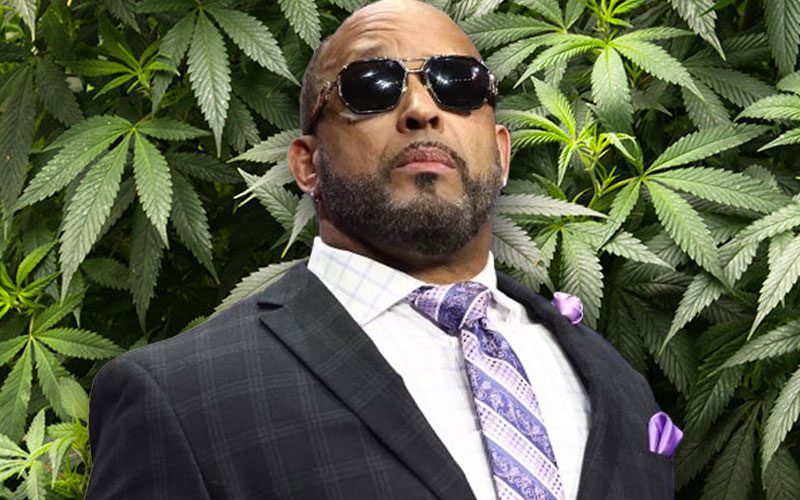
MVP recently went public with the financial reality of the pre-modern wellness era, revealing he paid thousands in marijuana fines during his initial WWE tenure. This admission provided a candid look at the arbitrary disciplinary power management once wielded. As told via recent investigative reporting, the numbers he cited were staggering. It changed how fans view the evolution of corporate policy behind the curtain.
4. The mid-year booking pivot
The decision to move away from predictable, multi-month title reigns in favor of shorter, high-impact stories signaled a change in philosophy. Fans were growing tired of stagnant champions holding belts hostage without threat of loss. By increasing the frequency of title changes, promotions have successfully manufactured urgency. It is a risky aesthetic, but necessary for viewer retention.
5. The rise of the independent crossover
Seeing performers move across branded lines without traditional contracts has redefined talent acquisition. This isn't just a guest appearance; it is a tactical invasion of market share. WWE allows it as a test of audience engagement, while AEW uses it to fill roster gaps. It elevates the product, even if the lack of long-term stability creates a frustrating narrative for viewers.
6. The exhaustion of the summer schedule
We are currently witnessing a fatigue epidemic among top-tier talent. The travel demands combined with television taping schedules have left main-eventers looking sluggish by the third hour. If current booking trends continue, expect a rash of mid-summer sabbaticals, which threatens the momentum of several programs. This is a clear management oversight regarding athlete recovery time.
7. The decline of the televised squash match
Gone are the days when a top star could reliably beat a local talent in under two minutes to build heat. Modern television requires competitive bouts to satisfy the need for work rate. While this gives more screen time to lower-card talent, it dilutes the aura of the stars. It is harder to make anyone feel dangerous when they are constantly engaged in 15-minute sequences.
8. The evolution of the open challenge
The open challenge has moved from an ego-stroking device to a legitimate narrative tool. It now serves as the primary way for creative writers to field-test new talent without full commitment. When a surprise entrant hits the ring, the crowd reaction serves as a real-time data point. It is the most honest evaluation metric in the industry right now.
9. The shift in promo delivery
Polished, scripted promos are rapidly losing ground to unscripted, raw character work. Performers who can articulate their story without a teleprompter are seeing their stock rise exponentially. This shift favors the veterans who learned in the territory days over the newer class of high-flyers. It is a necessary correction for a genre that relies on personal charisma.
10. The tactical use of social media
The most important moments now happen between the broadcasts. By utilizing social media to fuel feuds, talent has moved the goalposts of engagement. If a story does not trend on a Tuesday, do executives even remember it happened by Friday? This constant churn is exhausting, yet it remains the primary driver of attention in the current climate.
Honorable Mentions
The unexpected return of mid-card veterans, the increasing reliance on secondary championships to headline smaller shows, and the failure of several high-budget vignettes to connect with the core demographic. These moments failed to crack the top ten because they lacked the lasting industry impact of the events above.