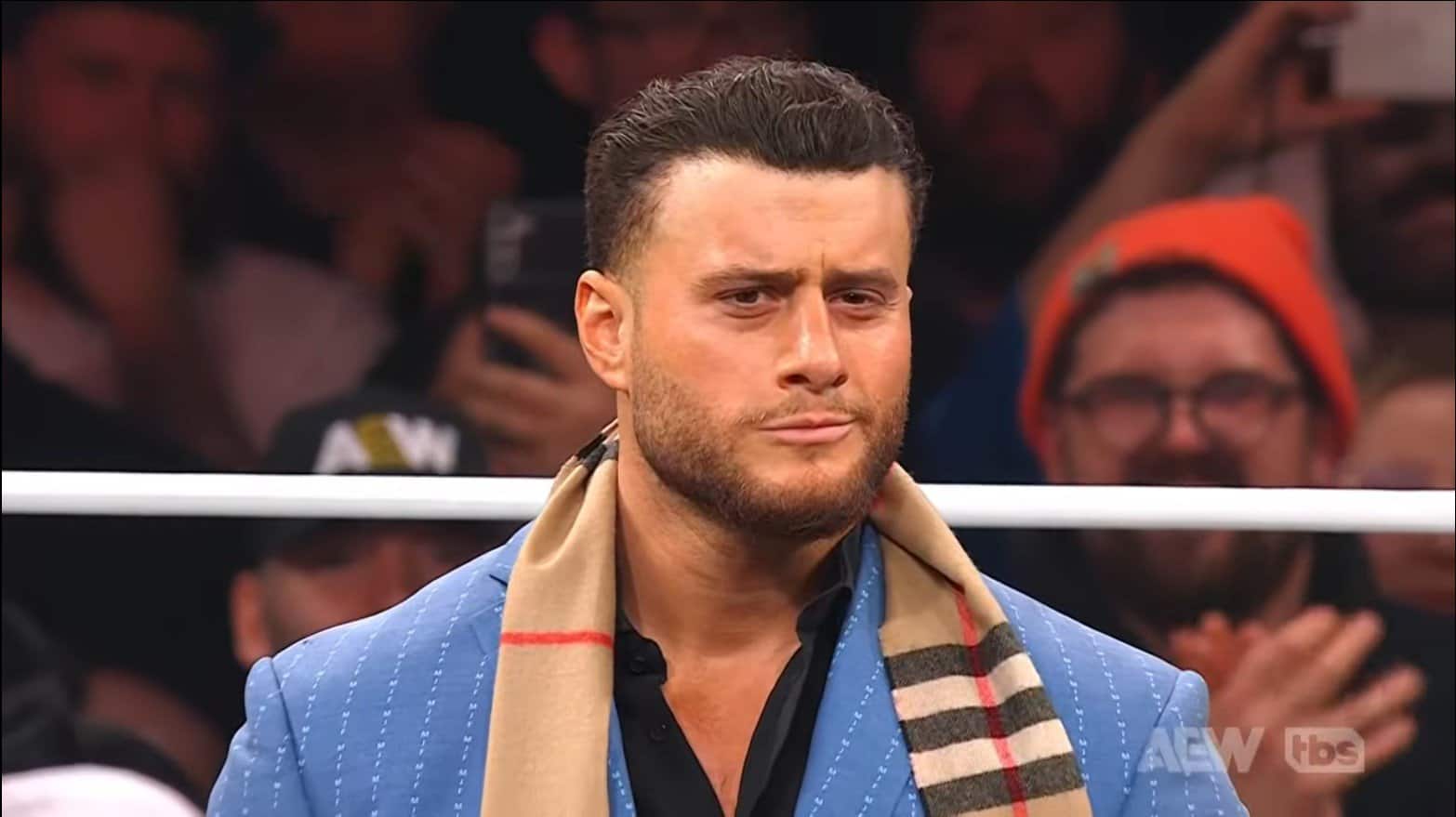
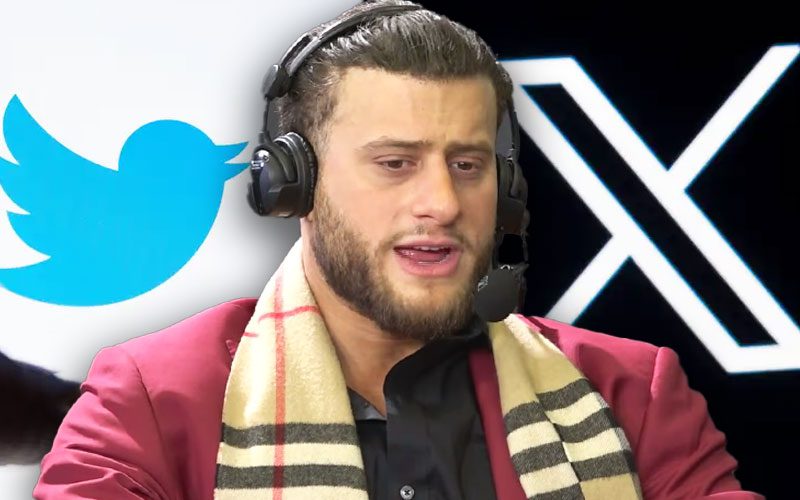
MJF takes aim at Cagematch as a barometer for quality
Maxwell Jacob Friedman has publicly trashed Cagematch, positioning the popular wrestling database as an irrelevant metric for true success. During a recent interview, he questioned the legitimacy of user-driven ratings, suggesting the platform fails to reflect the realities of the modern professional wrestling industry. His criticisms focus on the subjectivity of anonymous voters who influence the perceived quality of matches and performers.
The frustration is clear. MJF views the reliance on such aggregators as a symptom of a fan base that prioritizes number-crunching over character work and storytelling. By dismissing the site, he is attempting to insulate his own body of work from online scrutiny that often favors high-spots over narrative cohesion.
The strategic risk of ignoring the digital sentiment
While MJF remains one of the most prolific promos in the business, his stance carries clear strategic risks. Wrestlers often thrive by understanding their audience interaction, and Cagematch serves as a massive repository for that feedback. For talent like MJF, ignoring these metrics doesn't stop the discourse; it merely disconnects him from how a vocal segment of the audience evaluates his segments and bout quality.
This is not the first time a major star has publicly sparred with online feedback mechanisms. Historically, companies like WWE have struggled with how to incorporate social media sentiment into their booking without allowing it to dictate long-term plans. When performers choose to explicitly insult the platforms where fans aggregate, they create a friction point that can alienate the very viewers they need to sustain ratings.
The disconnect between performance and perception
MJF is a master of the worked shoot, but this critique feels like a genuine struggle with the modern era. As reported by Ringside News, the AEW cornerstone finds the reliance on Cagematch ratings absurd. He suggests that the effort put into building a character is often undervalued by a subset of viewers who only value move-for-move sequences.
The critical observation here is one of awareness. By highlighting Cagematch, he inadvertently validates it as a source of power. If it truly didn't matter, he would not have dedicated interview time to deconstructing it. His reaction points to a deeper insecurity within the industry regarding how match quality is quantified in the digital age.
Looking ahead to WrestleMania and beyond
As we approach WrestleMania 41, the obsession with match ratings is likely to balloon. Every major card, from the upcoming festivities on April 19 and April 20 to future AEW pay-per-views, will undergo immediate dissection on these platforms within minutes of the final pinfall. This creates a high-pressure environment where talent must perform for both the live crowd and the keyboard warriors.
If performers across both promotions continue to engage in public battles with these databases, it will only signal that the lines between character and reality are blurring in an unhealthy way. The best wrestlers of the last decade, from CM Punk to Roman Reigns, have utilized crowd heat and legitimate drawing power as their primary validation. MJF possesses that capability but seems bothered by the lack of nuance in the modern grading system.
Marketing and booking teams are currently weighing the risks of ignoring these platforms entirely. With fan engagement being the primary currency of 2026, companies cannot afford to act as if these databases do not affect ticket sales or merchandise interest. Whether MJF likes it or not, the Cagematch community is here to stay, and their influence on the industry's perception is cemented.
His dismissal of the site reads as a tactical maneuver to control the narrative before the next big event cycle. However, fans are sophisticated enough to know when a performer is being worked by his own perception of his value. Ultimately, the best defense against a low Cagematch rating remains a strong, undeniable performance in the ring.