The status of the Salt of the Earth
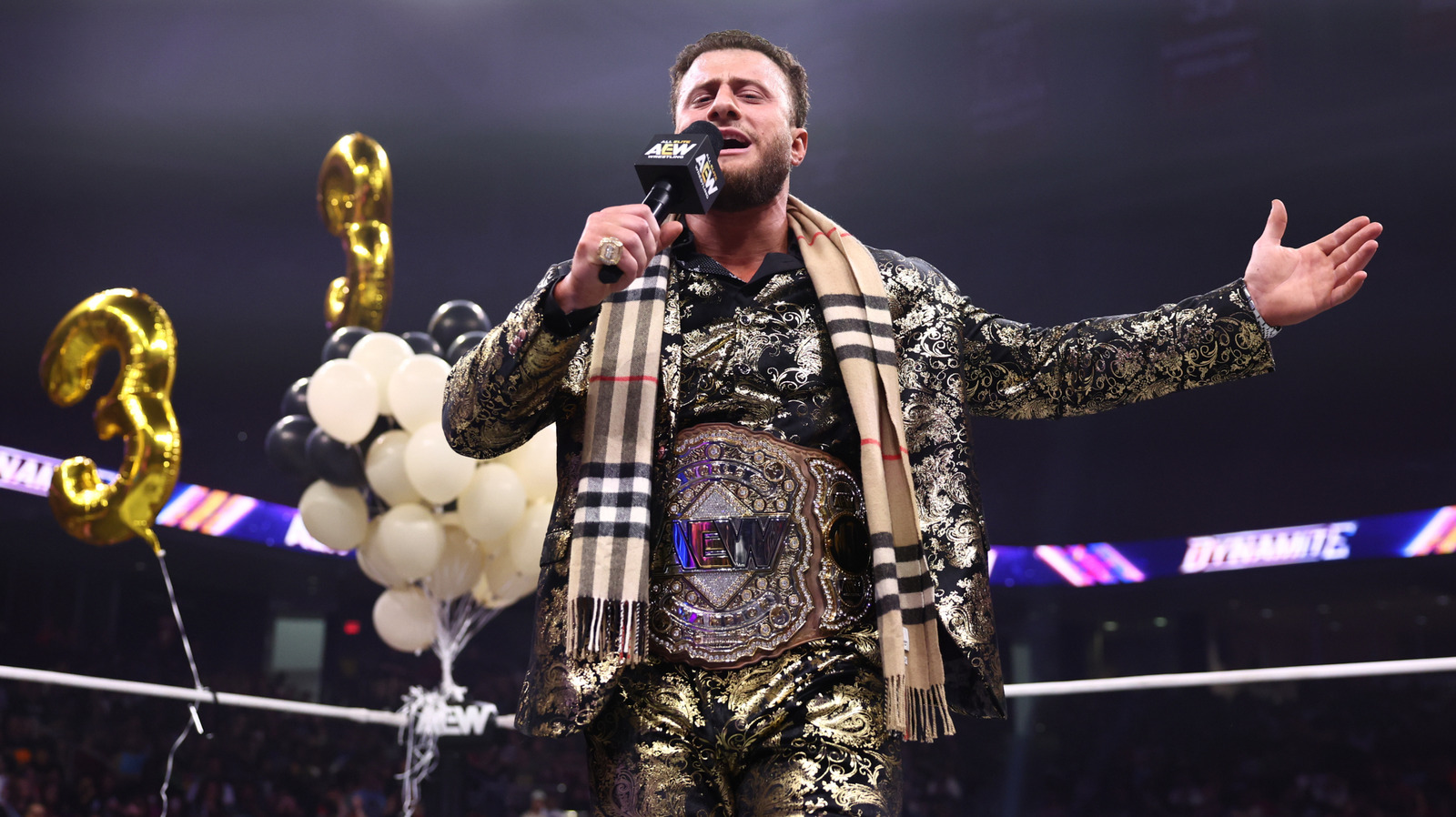
Maxwell Jacob Friedman finds himself on the shelf, casting a massive shadow over the top of the card for AEW Double or Nothing. The injury, sustained during live broadcast competition, arrived at a functionally disastrous point in the booking cycle. With the pay-per-view set for May 24, management is currently scrambling to adjust the main event trajectory.
Reports confirm the issue is a substantial lower-body ligament tear. This follows a high-impact spot where Friedman took a direct landing during a top-rope maneuver gone wrong. The specific mechanics of the injury suggest a lengthy recovery period, likely sidelining him through the summer window.
The strategic gap in the main event
Losing a headliner of his caliber creates an immediate vacuum in the promotion's creative direction. MJF recently made waves by voicing his appreciation for Triple H's creative work, a move considered borderline unpatriotic behind the curtain, yet his absence now forces the company to rely on other tentpoles.
Historical data regarding ligament rehabilitation in professional wrestling is discouraging. Talent returning before 12 weeks often suffer secondary tears from compensatory strain. If he follows a conservative return path, he misses potential big-money matches at the June events. Expect a rotation of challengers to fill the space left open by his removal from the upcoming title picture.
Booking fallout and industry impact
The timing is particularly punishing for an audience expecting a marquee clash. AEW’s ability to pivot without losing momentum has been questioned in previous instances, and this injury provides an immediate stress test for the current writing team. Booking a replacement main event requires more than just swapping names; it requires maintaining the stakes built over the previous four months.
Competitors are likely watching the response closely. While MJF remains a polarizing figure for his public comments, his value as a draw is undeniable. The booking team has 49 days to establish a legitimate substitute, a window that looks increasingly narrow given the current depth chart.
Comparing the recovery arc
Similar situations in recent wrestling history show that rushing an elite talent back onto television almost always backfires. When top-tier heels are sidelined, the dynamic of the programs shifts toward stale mid-card feuds, depleting the energy of the weekly product. A poorly managed return would likely stall his momentum indefinitely.
The creative staff faces a zero-sum game. If they delay his return, they lose a ratings driver. If they force the issue, they risk losing the asset for a longer duration. Historically, promotions that lean into a "rebuilding" narrative during an injury crisis often see a temporary dip in buy-rates, though it provides the opportunity to elevate fresh talent into high-leverage positions.
Critical observations on booking velocity
The reliance on a single primary draw consistently proves to be a structural weakness. Relying on one performer to carry the narrative load for the better part of a calendar year creates a fragile house of cards. When the core element is removed, the structural integrity of the entire card collapses.
The current lack of a clear, pre-established backup challenger is a glaring oversight in the promotion’s planning. While injuries are unpredictable, the lack of depth in the main-event scene is a choice, not an accident. Fans can expect a transitional program in the coming weeks, which will serve as a bellwether for whether the creative direction can survive without their most prominent antagonist.