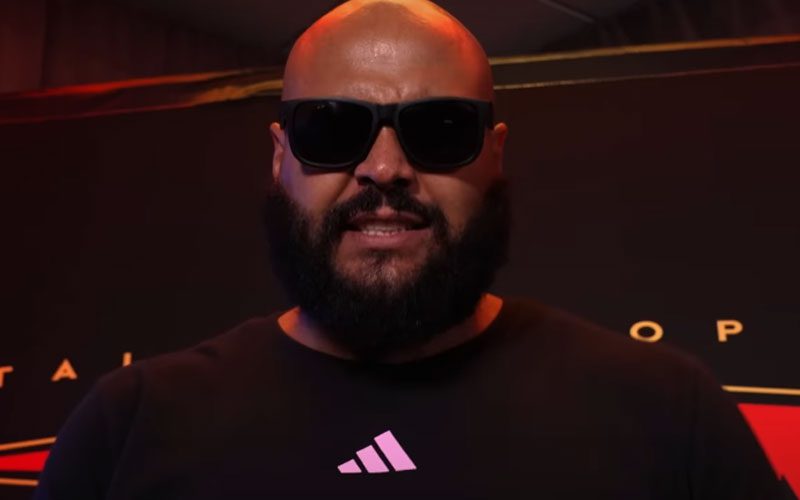
MJF is playing a masterclass in modern heel psychology
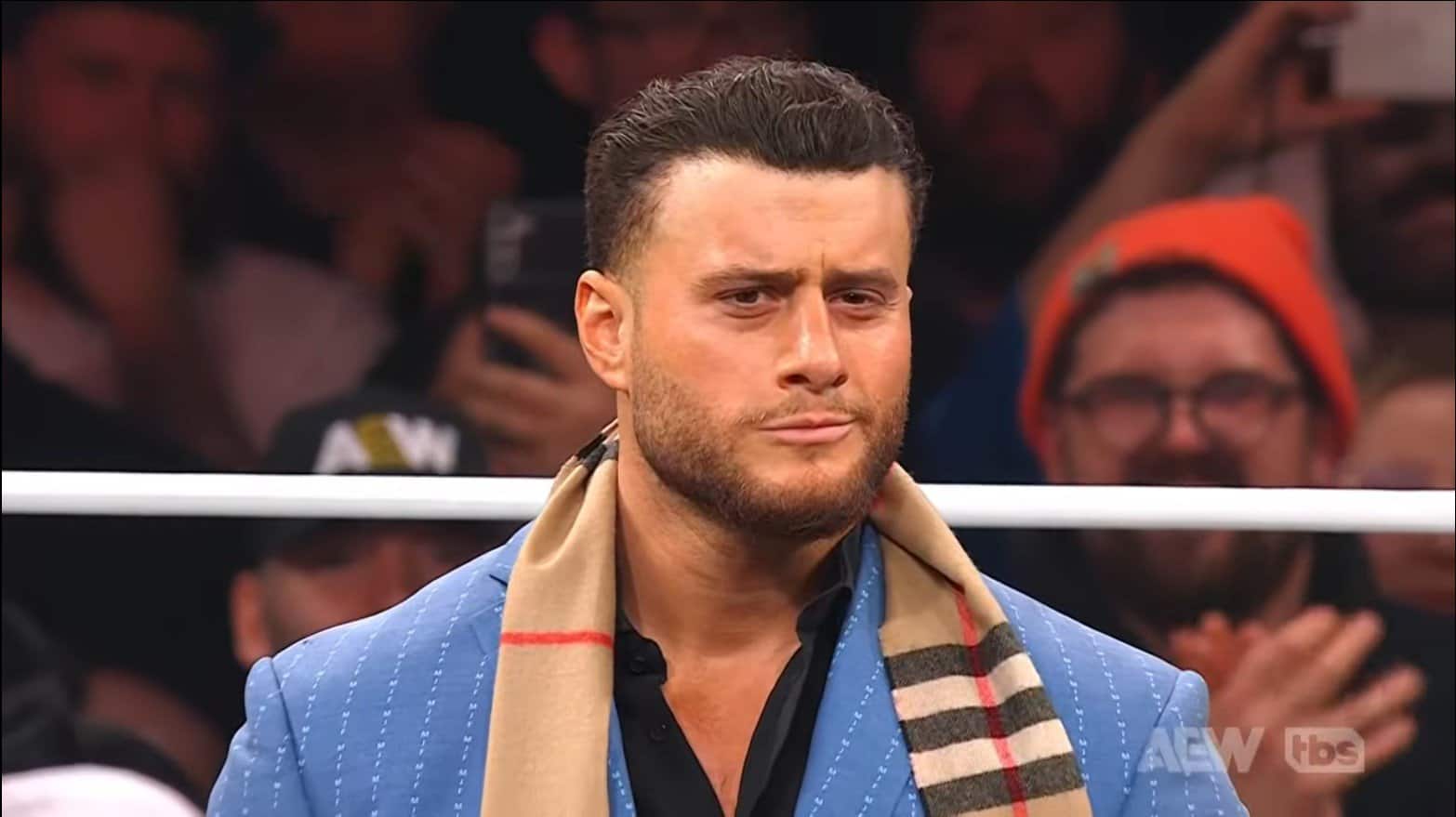
The Salt of the Earth isn't your personal punching bag
Maxwell Jacob Friedman is currently pulling off the rarest trick in professional wrestling: staying entirely relevant while barely stepping into the ring. As reported in May 2026, the AEW World Champion has reached a breaking point with the vocal minority demanding he risk his long-term health for their weekly entertainment. It is a calculated pivot that mirrors the disruptive energy he credits to icons like Roddy Piper.
Friedman recently cited Piper as his all-time favorite, a choice that makes perfect sense when you analyze his recent media run. Piper understood that the heat generated outside the ropes was just as lethal as any move inside them. By telling fans to stop treating Twitter like real life, he is forcing the audience to confront their own parasocial obsession. He is dismantling the modern expectation that a champion must be a 24/7 content machine.
The math behind the selective schedule
Critics point to his infrequent match count as a sign of stagnation, yet the numbers tell a different story about longevity. MJF has been vocal about the arrogance of fans who view athletes as disposable crash-test dummies. When you look at the attrition rates in modern promotions, his philosophy is a survival strategy, not an act of laziness.
He has also been forward-thinking regarding history, openly stating that current talent should be grateful for the foundational shifts provided by Kevin Nash and Scott Hall. Those figures changed how wrestlers negotiated their worth. Friedman is arguably the first generation of talent to truly treat his physical output as a depreciating asset that requires a high premium for every appearance.
The booking flaw in the logic
However, this strategy carries a looming risk for his home promotion. Absence might make the heart grow fonder, but over-exposure behind a microphone rather than in the ring can dampen the urgency of a title reign. If the champion only wrestles once every 3 months, the championship belt starts to feel like a prop rather than a prize being contested.
His recent comments regarding entitlement underline a deeper disconnect between the old-school worker mentality and the modern fan's 'I paid for this' dynamic. By calling out the toxicity of demands to destroy one's body, he is setting a boundary that few others have the leverage to enforce. It is a high-wire act. If he manages to parlay this into a massive, infrequent high-stakes defense, he wins. If the matches fail to deliver the expected impact, the 'part-timer' label could stick.
The irony is that Friedman is doing exactly what a heel should do: irritating the audience by denying them the catharsis of seeing him get his teeth kicked in on a Tuesday night. He is effectively weaponizing his own unavailability. While many performers chase the approval of the internet, he is betting that his professional longevity will ultimately outlast the fleeting anger of a few thousand vocal keyboard warriors who think they own him.
Read Next
- MJF is ignoring the crowd and leaning into his selective booking strategy
- Allie heading back to TNA is the smartest move of her career
- FTR fans are having a collective existential crisis today
- Mercedes Mone is walking into a trap at Forbidden Door
- ⚡ AEW Dynasty 2026 — Full Coverage Hub
- 🎲 AEW Double or Nothing 2026 — Full Coverage Hub
WWE Elite Collection Series 109 - Jey Uso Action Figure
Main Event Jey Uso, fully articulated and ready to hit the superkick.
Frequently Asked Questions
Which wrestling icon inspires MJF's current heel persona?
Why does MJF limit his number of wrestling matches?
What is MJF's perspective on modern wrestling fans?
How do wrestling legends like Kevin Nash impact MJF?
What are the risks of MJF's current booking strategy?
More Coverage
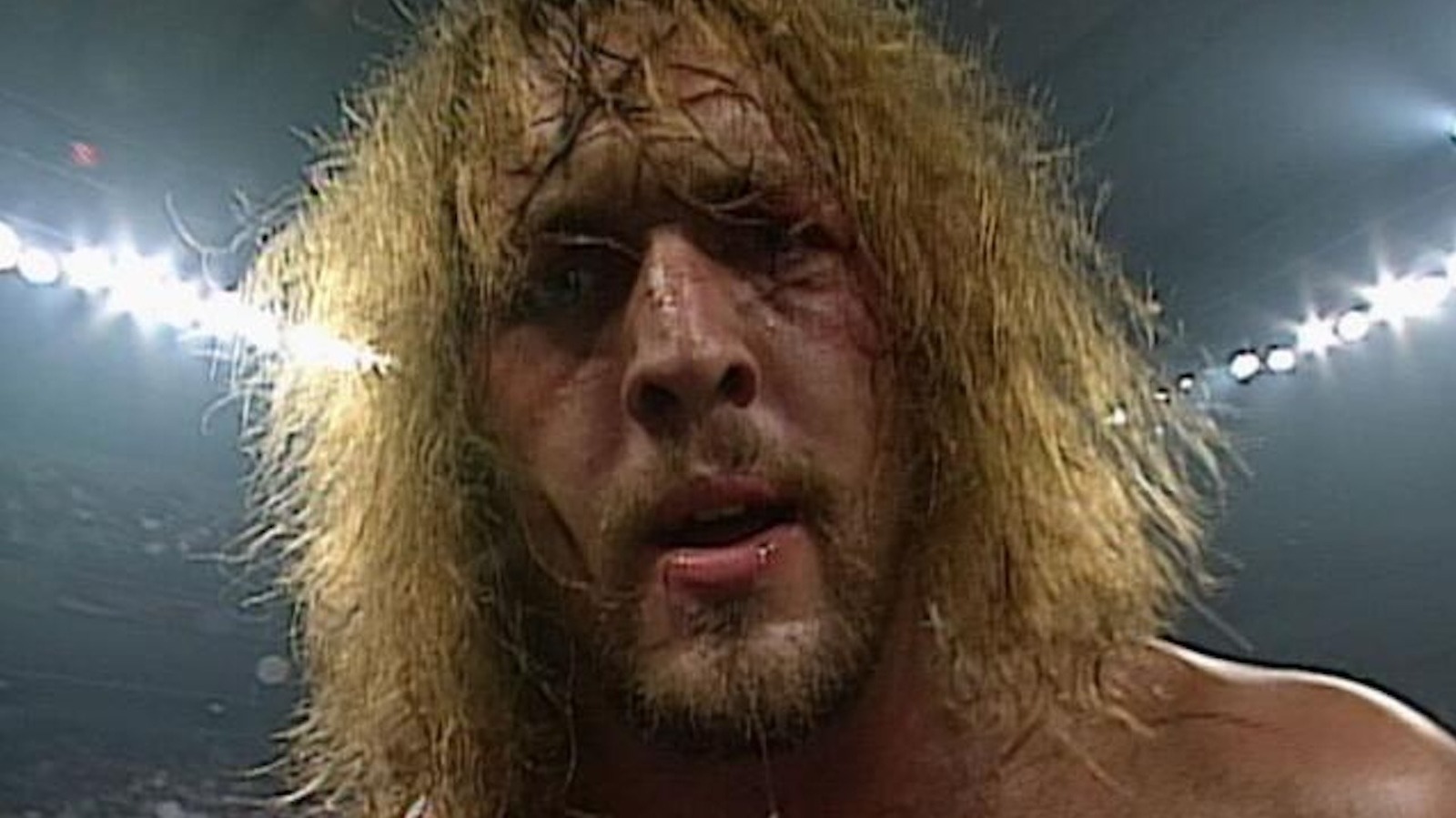
Great American Bash 1996 remains a masterclass in WCW entropy
5 hours ago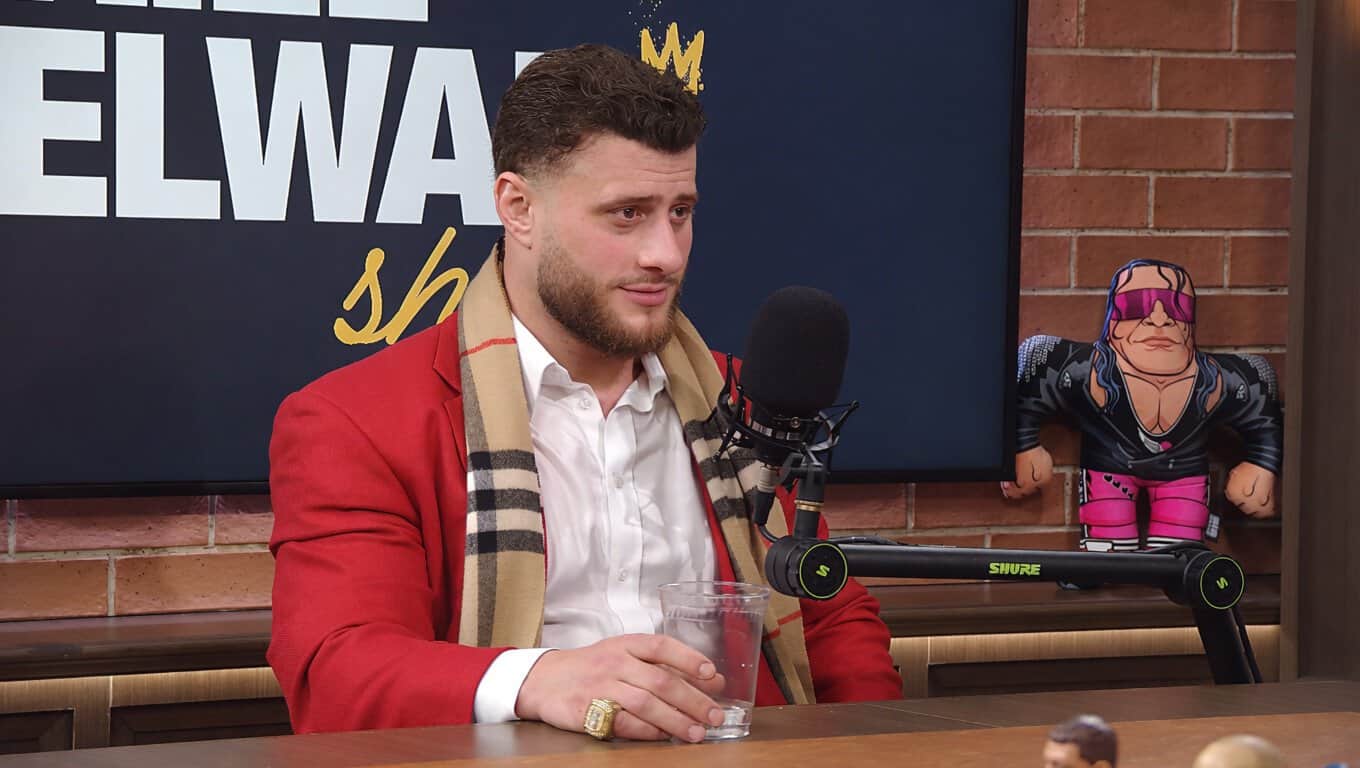
MJF is ignoring the crowd and leaning into his selective booking strategy
13 hours ago
John Cena’s wrestling legacy is far more than his win column
14 hours ago
Why we need to stop romanticizing the 2010 WWE roster
17 hours ago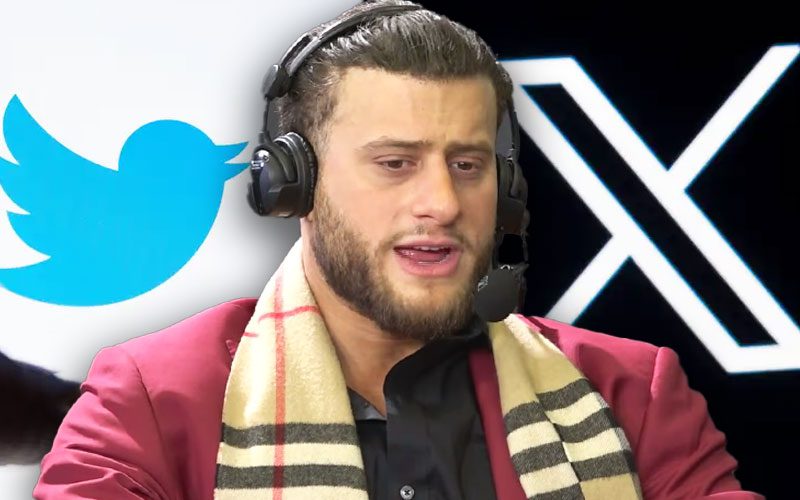
MJF finally tells the internet to touch grass and people are losing their minds
17 hours ago
MJF is right about the Outsiders and it hurts to admit
1 day, 1 hour agoMore Analysis

Why betting on the 2027 Royal Rumble right now is a sucker's game
an hour ago
Cedric Alexander's X Division title defense faces major injury disruption
an hour ago
From the death of a legend to Danhausen's weird jar of teeth
an hour ago
The fiscal bottleneck behind the next generation of WWE stars
an hour ago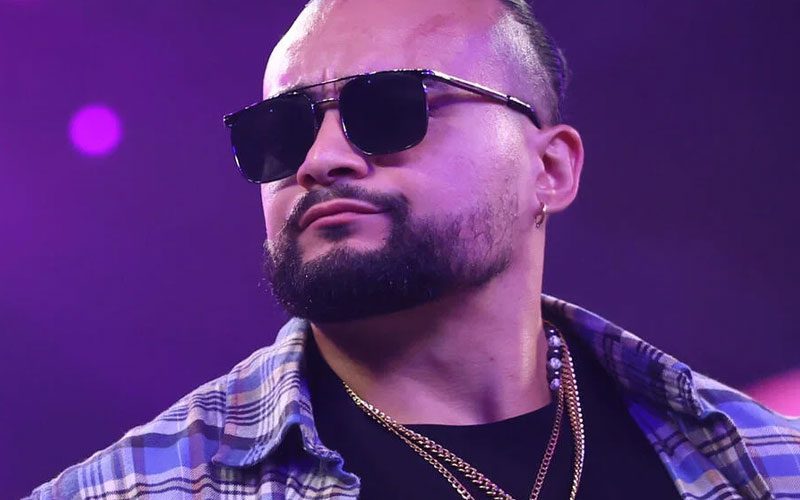
TNA is hitting a dangerous transition point
an hour ago