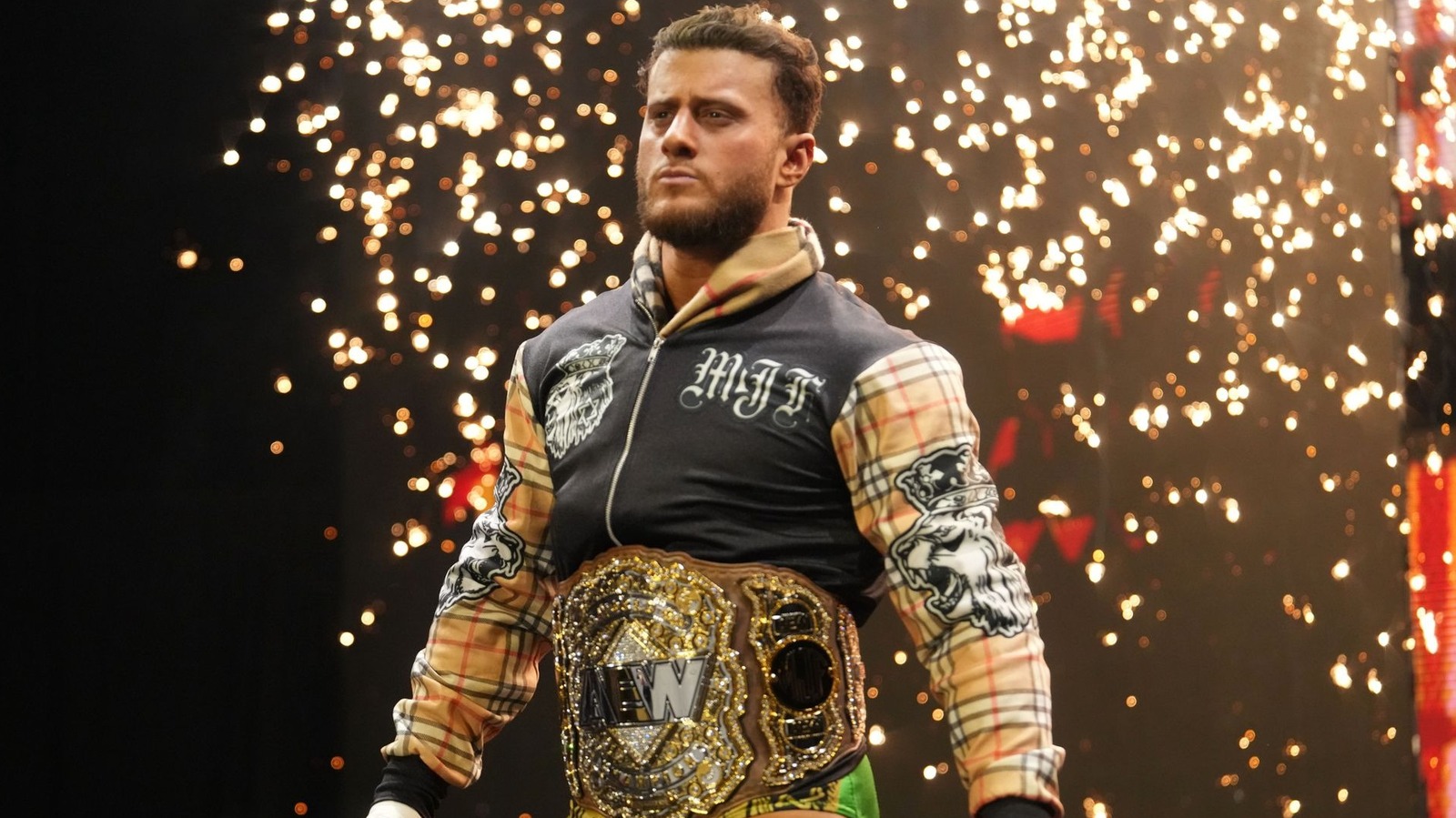
MJF is playing a dangerous game with his promotional optics
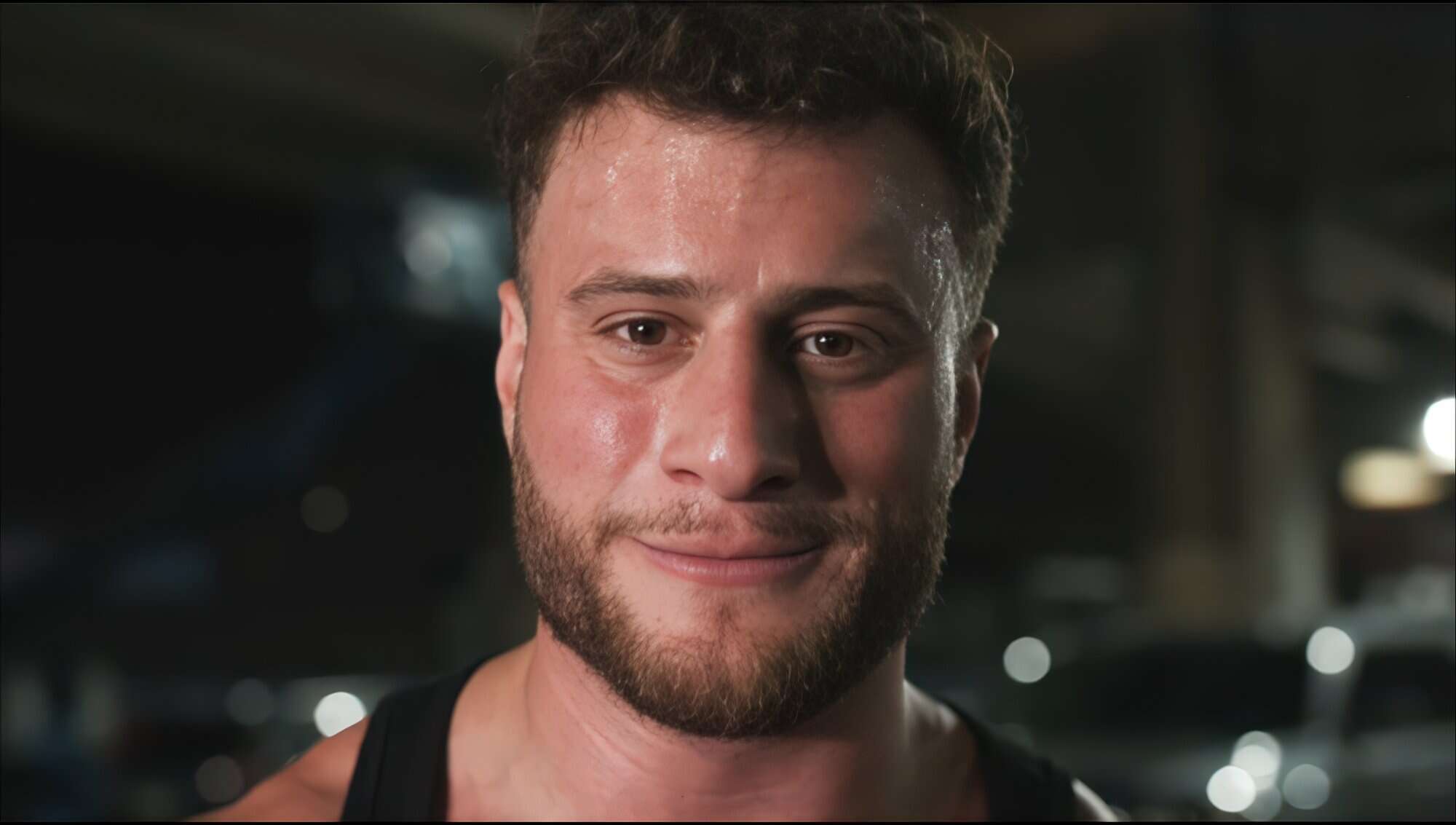
The blurring line between character work and corporate messaging
Maxwell Jacob Friedman has spent his entire career mastering the art of the work. He knows the crowd, he understands the heat, and he usually manages to stay two steps ahead of the promotion’s own booking department. His recent comments regarding the political leanings of wrestling companies, however, suggest a shift in strategy. By distinguishing AEW as a non-affiliated entity while framing WWE as a distinctly right-leaning organization, he is venturing into territory that few top-tier wrestlers touch.
This is a tactical gamble. By positioning his own promotion as the neutral ground, MJF is effectively stripping away the kayfabe ambiguity that usually protects top stars. He is no longer just selling a match; he is selling a corporate identity. As seen in recent coverage, Friedman is attempting to control the narrative of professional wrestling’s cultural footprint. Whether he has the authority to make such declarations on behalf of Tony Khan’s brand is a separate question.
The cost of moving beyond the ring
Professional wrestling thrives on the separation between the performer and the product. When you start commenting on ownership ethics or political associations, you lose the insulation that keeps the product accessible to everyone. Fans don't go to the arena to hear about voting records or lobbying interests. They show up to watch a 25-minute iron man match between two technicians who actually hate each other.
The issue here is sustainability. If Friedman continues to lean into these external metrics to build his brand, he risks alienating segments of his audience who strictly view their viewership as an escape from socio-political discourse. Every minute of airtime spent discussing the ideology of a promotion is a minute not spent advancing a storyline. It creates a secondary audience of spectators who care more about the boardroom than the mat.
Missing the point of the spectacle
We are just 10 days away from WrestleMania 41, yet the discourse remains tethered to these ancillary conflicts. The fans in the arena in Las Vegas care about the card, the stakes, and the drama of the main event. They are not waiting for a dissertation on the comparative politics of Endeavor versus whatever the next round of ownership changes looks like. When a wrestler of MJF’s caliber shifts toward this type of meta-commentary, it signals a lack of confidence in the product itself.
The most glaring flaw in this approach is the assumption that fans actually want their favorite stars to be pundits. It reeks of a desperate need for intellectual validation in an industry built on raw, uncomplicated physical conflict. If he wants to solidify his status as the best in the world, he should focus on the quality of his promos, the precision of his Salt of the Earth submission, and the storytelling within the ropes. Anything else is just noise. The industry is currently facing a massive transition, but the solution isn't to start a debate on ideological leanings—it’s to produce better television.
Read Next
- MJF is using political optics to draw a battle line before WrestleMania 41
- MJF Draws New Battle Lines as AEW's Strategy Pivots
- The TNA-AEW friction is threatening the summer's best matches
- WrestleMania 41: High Stakes in Vegas for Cody, Punk, Cena & Flair
- ⚡ AEW Dynasty 2026 — Full Coverage Hub
- 🎲 AEW Double or Nothing 2026 — Full Coverage Hub
WWE Jey Uso YEET Authentic T-Shirt
Join the YEET movement with Jey Uso's viral catchphrase tee.
More Coverage
Ricochet to AEW rumors gather steam ahead of major TV pivots
15 minutes ago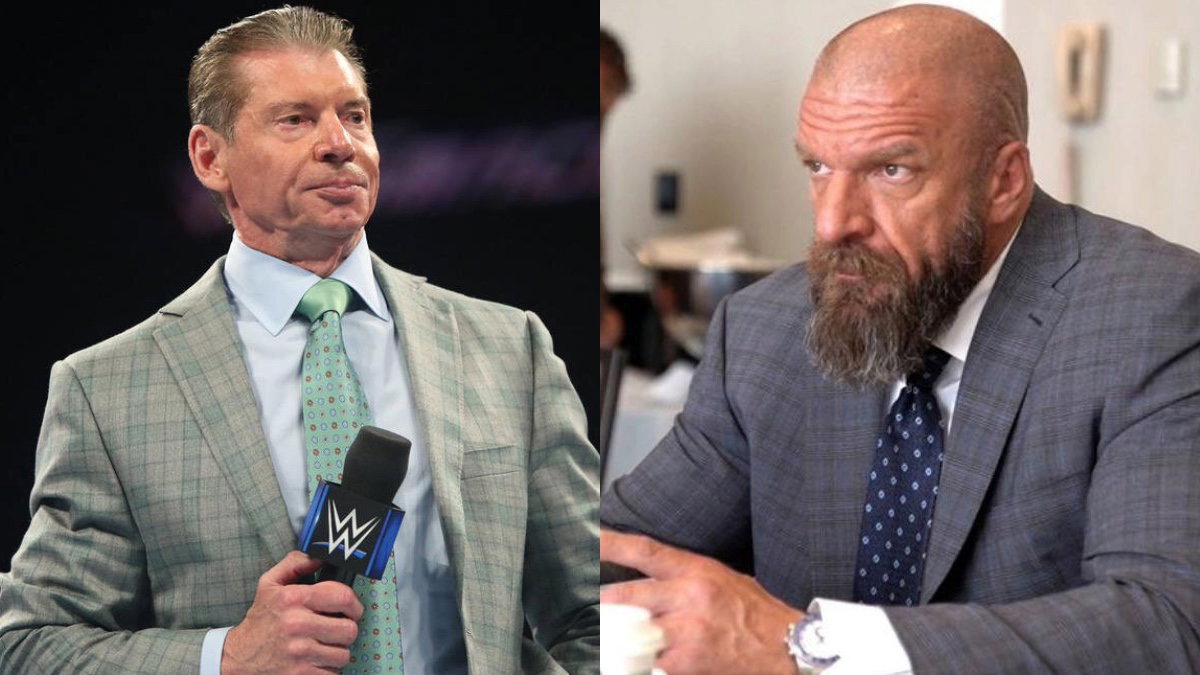
Creative shifts and the Triple H era: A post-McMahon reality check
30 minutes ago
Why Triple H checked out on Reggie before sending him to NXT
31 minutes ago
Could a former WWE star return to the main stage under Triple H?
31 minutes ago
Triple H's creative autonomy faces a real test at SummerSlam
32 minutes ago
Sidney Akeem's meteoric jump to the main roster is still baffling fans
an hour agoMore Analysis
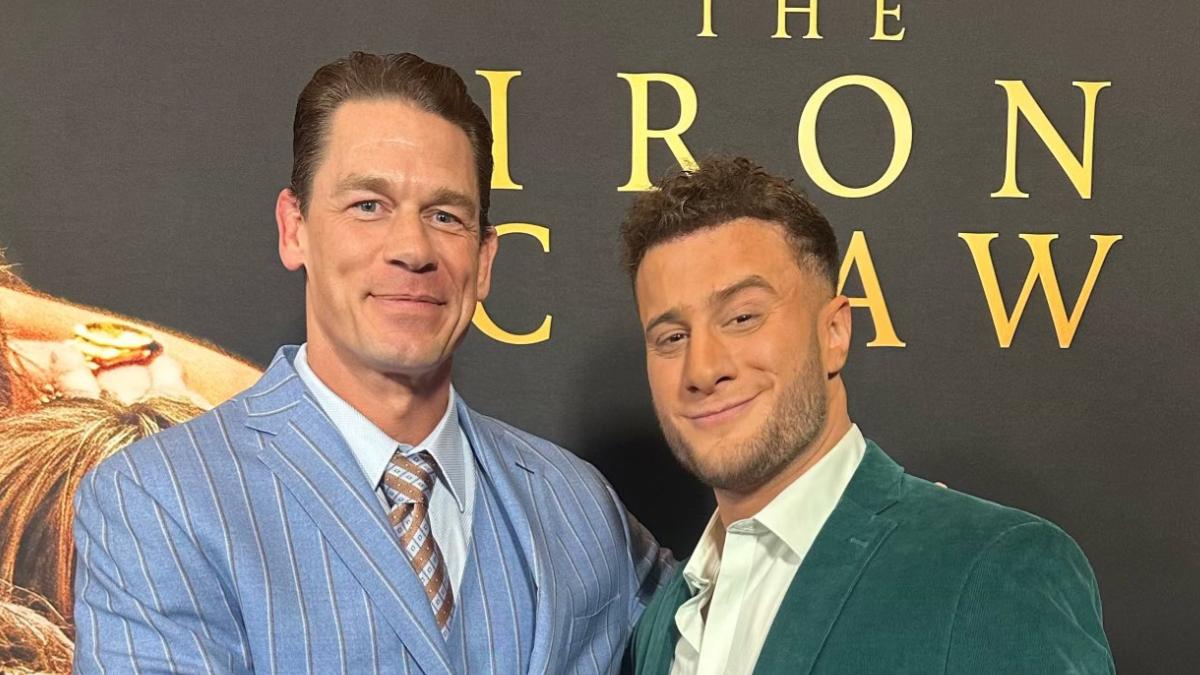
MJF is chasing a Hollywood legacy that might kill his momentum
1 month, 3 weeks ago
MJF is using political optics to draw a battle line before WrestleMania 41
3 months, 1 week ago
MJF is leaning into his role as AEW's grand provocateur
3 months, 2 weeks ago
MJF is playing a dangerous game with his AEW future
3 months, 3 weeks ago