Khan Signals a Strategic Ceasefire
A significant strategic shift is underway in All Elite Wrestling. In a series of recent comments, AEW President Tony Khan confirmed the company is intentionally moving away from taking direct shots at WWE. This marks a deliberate change in posture for the promotion, which launched in 2019 with an aggressive, anti-establishment identity that frequently positioned itself as a direct alternative to the market leader.
This evolution from insurgent to a more established player suggests a new phase in the company's life cycle. The early years of Dynamite were often punctuated by explicit references and comparisons to WWE, a tactic that helped solidify its brand with a core audience hungry for competition. Now, heading into the middle of the decade, the focus appears to have shifted inward towards solidifying its own product and identity without needing a constant foil.
Khan's public statements are an admission that the company's priorities have changed. The war is over, or at least the public-facing battles are. But as the front office calls for a detente, its most volatile star has picked up the banner and is waging a war of words all on his own.
MJF, The Unofficial Mouthpiece
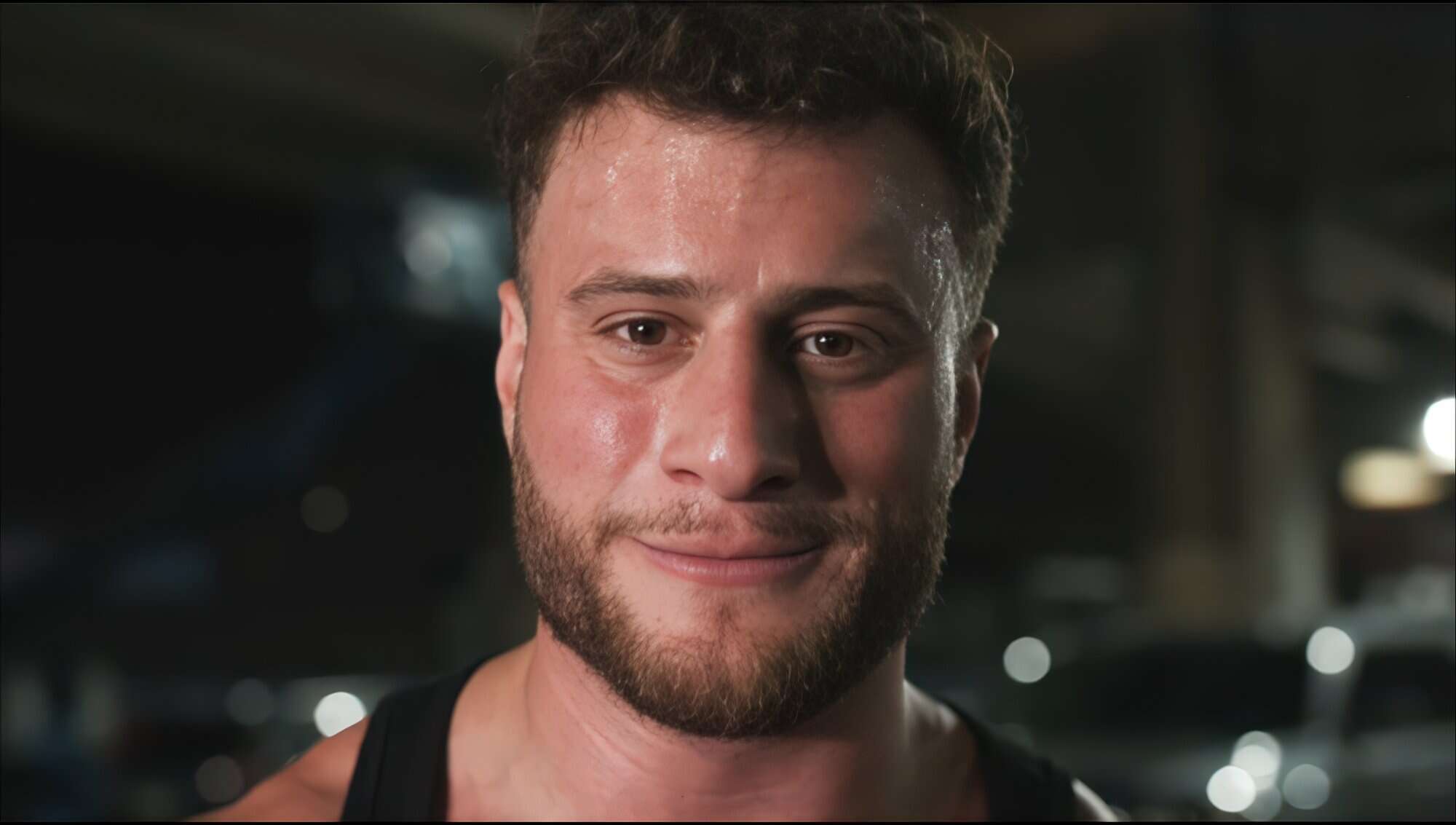
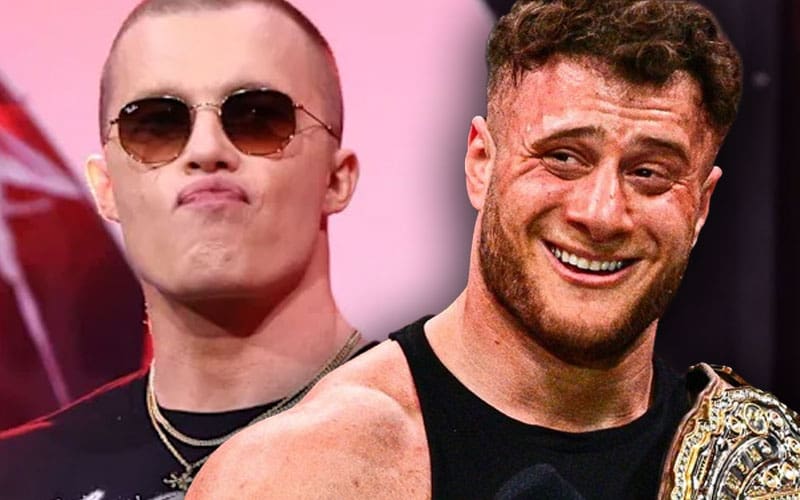
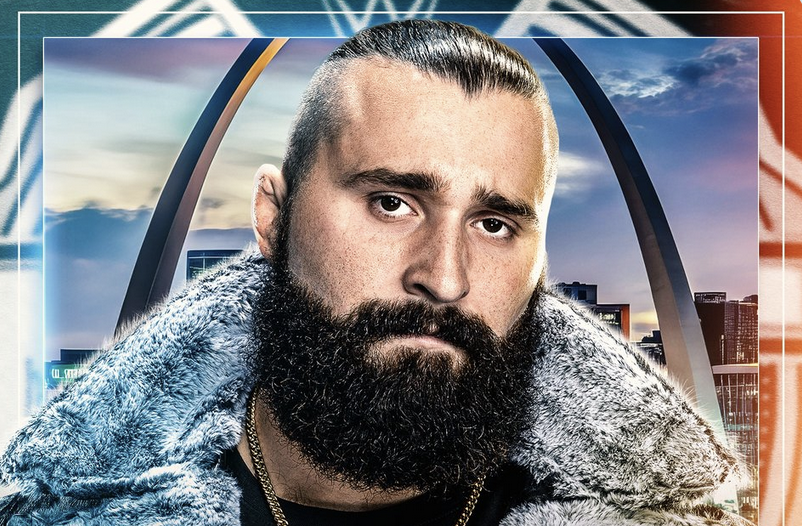
As the company officially quiets its anti-WWE rhetoric, Maxwell Jacob Friedman has become its unofficial, and unfiltered, advocate. In multiple recent interviews, the former AEW World Champion has been drawing sharp contrasts between his home promotion and the competition, essentially continuing the public relations battle that his boss has just abandoned.
One of his key arguments, according to Ringside News, is that WWE leans on older, established stars while AEW is focused on building the next generation. This has long been a talking point for AEW fans, but hearing it from a top-tier talent like MJF gives it a different weight. He argues that AEW provides the platform for new main eventers to be created, whereas its rival often defaults to part-time legends to sell its biggest shows.
MJF has also blasted what he calls WWE's practice of censoring its live crowds. He positions AEW as a promotion that allows its fans to be heard, creating a more authentic and unpredictable atmosphere. This narrative work is crucial for AEW, as it reinforces a core part of its brand identity: being the more raw, unfiltered major wrestling product. These media appearances, which have also included a bizarre story about an alleged abduction attempt by a fake pilot, show MJF is embracing his role as AEW's most talked-about and controversial representative.
The Roster Conundrum
While MJF champions AEW's star-building, the reality of managing its famously large roster remains a persistent challenge. It’s a point Khan himself has had to address, explaining that not every high-profile talent can be featured at all times. For a company that prides itself on depth, the question of how to effectively deploy that depth is a recurring theme.
This is where the company's increasingly flexible approach to contracts comes into play. In 2026, AEW has leaned into dual-contract agreements, allowing stars like Hechicero and Mascara to compete for AEW while maintaining commitments to other promotions. This strategy serves multiple purposes: it keeps the roster fresh, builds relationships with international partners, and provides a developmental path for talent without adding them to an already-crowded full-time payroll.
However, this is not a perfect solution. The constant influx and outflow of talent can make it difficult to build long-term, coherent storylines. While it solves one problem (a stacked roster with limited TV time), it creates another (a lack of consistency for the viewing audience). It's a strategic balancing act that AEW continues to navigate.
Navigating a Complex New World
AEW no longer exists in a simple binary opposition to WWE. The wrestling world is more complex, with a web of alliances and rivalries spanning the globe. A recent report highlighting that TNA talent could be pulled from independent bookings against AEW stars is a prime example of this new landscape.
This situation, reported by Wrestling Inc, illustrates how AEW's presence now has significant ripple effects across the entire industry. A booking on a small indie show can now have implications for multiple national television companies. As AEW has grown, its influence has expanded, but so has the complexity of its political relationships. Navigating these inter-promotional dynamics is a far cry from the simple task of being the "alternative."
Ultimately, AEW finds itself in a new era. The official strategy is one of quiet confidence, focusing on its own product. Yet, its loudest star continues to fight the old war, while the company grapples with the intricate political and logistical challenges that come with being a major player in a newly fractured wrestling world. The simple days are over.
Read Next
- Tony Khan is finally admitting the 2022 ghost still haunts AEW leadership
- What the MJF and Kenny Omega contract signing really means for AEW
- WrestleMania 41 is shaping up as a high-stakes turning point for WWE
- Paul Wight deserves a better final act than these injury-prone tropes
- ⚡ AEW Dynasty 2026 — Full Coverage Hub
- 🎲 AEW Double or Nothing 2026 — Full Coverage Hub