The Owen Hart Tournament as a creative reset
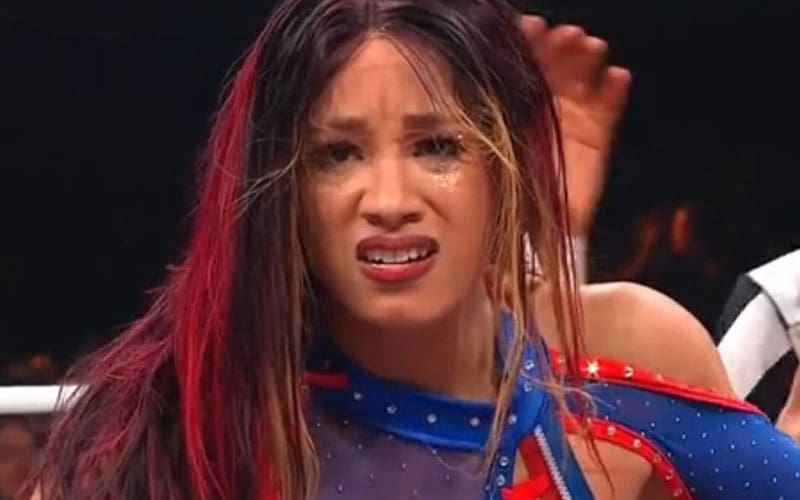
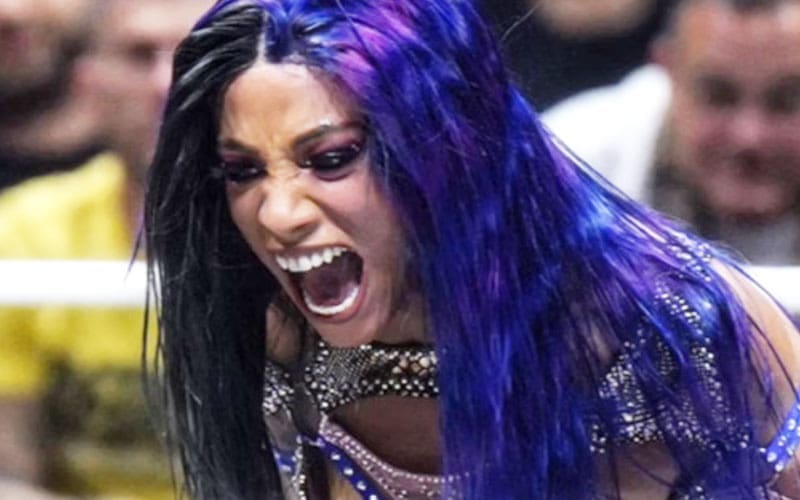
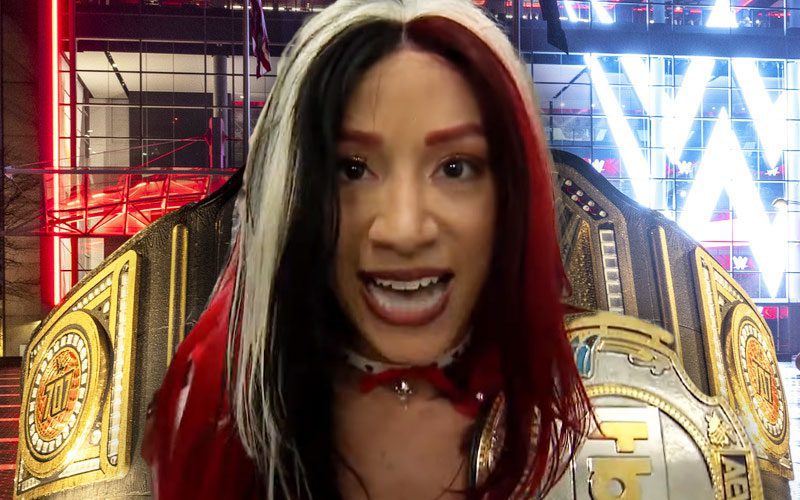
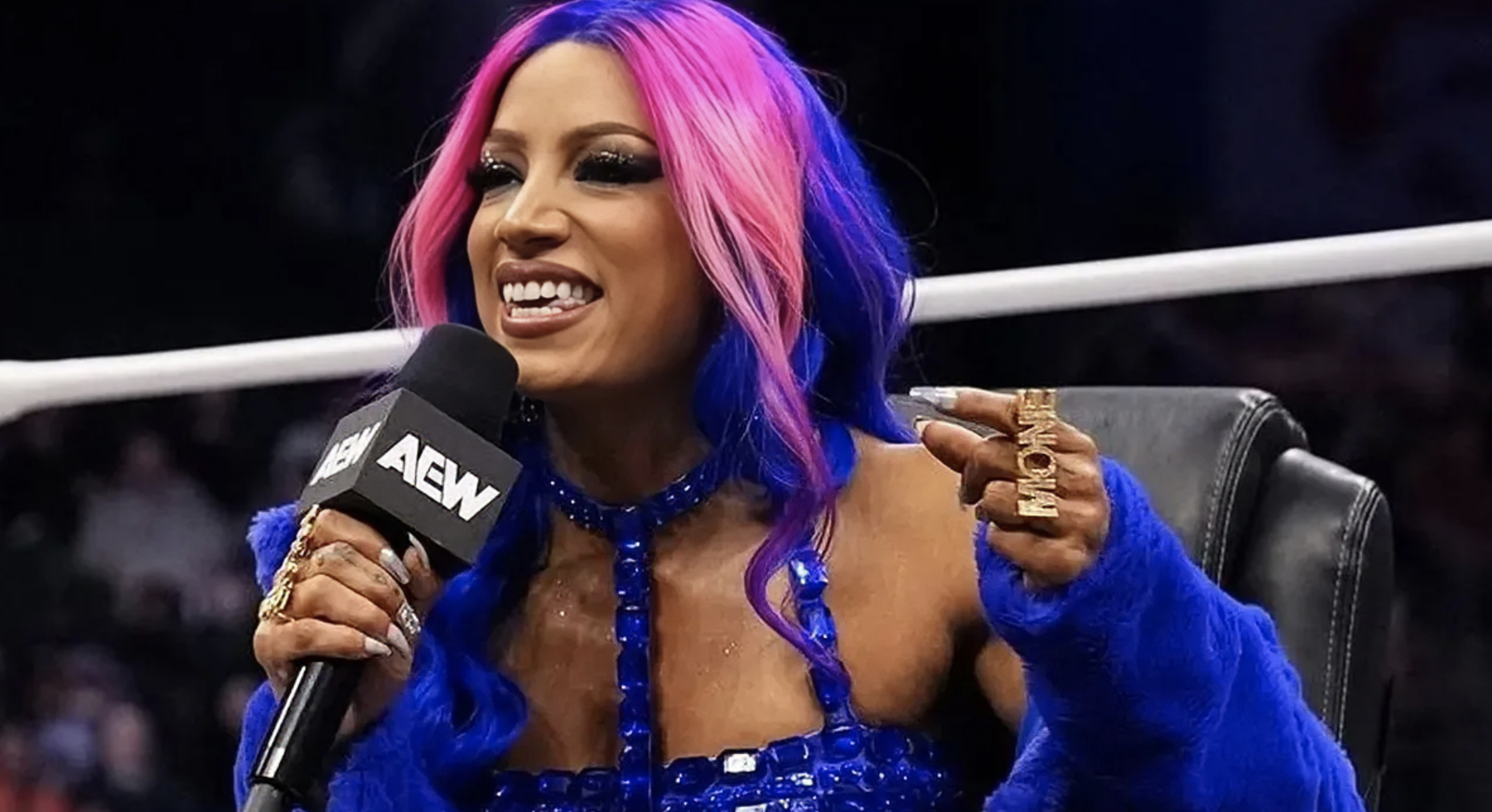
Mercedes Moné re-emerged on the June 3rd episode of Dynamite, filling the wildcard slot in the Owen Hart Foundation Tournament. The five-month absence created a void that the promotion struggled to fill, despite the deep roster identified in recent AEW Double or Nothing Buy In analysis. Returning under the guise of an open bracket slot suggests a pivot, but slotting a marquee star into a tournament format can hide stagnant booking rather than solve it.
As Mercedes Moné explained her recent AEW absence, the narrative friction surrounding her status was high. Bringing her back for a tournament stint is a safe play, but it lacks the necessary follow-through for a performer of her gravitational pull. Watching her in the bracket requires more than just high-spot variance; it requires a defined objective that extends beyond the final bell of a sanctioned competition.
The technical requirements for a successful return
Moné operates at her best when the pace is dictated by her lateral movement and precision timing. In her last televised outings, we saw a reliance on high-impact sequences that sometimes ignored the mid-match reset needed to sustain a longer narrative. If the tournament matches trend toward the 12-minute mark, she must focus on her transition game.
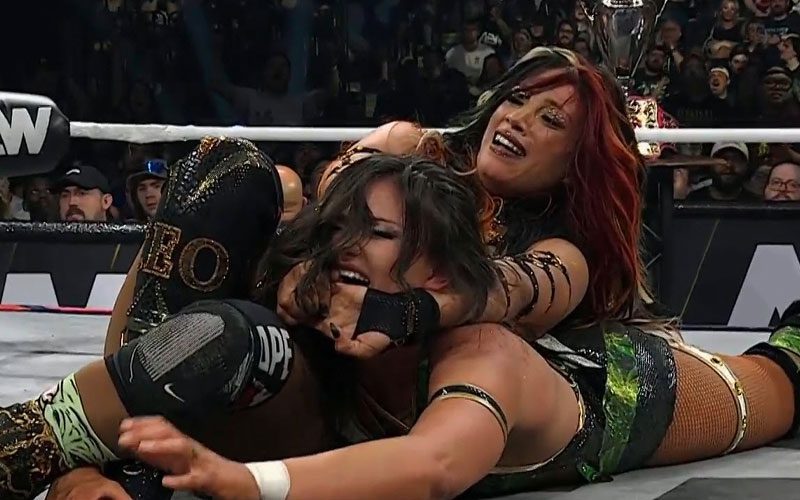
Her signature execution of the bank statement requires specific setup conditions that were missing in her pre-absence matches. When she last worked frequently, she often rushed the submission application before establishing a limb-work foundation. That tactical oversight meant opponents were rarely worn down enough to justify the tap-out. A submission rate increase is needed to make her offense feel authoritative rather than forced.
Why the wildcard status is a double-edged sword
Booking a top-tier performer as a tournament wildcard is a transparent attempt to inflate viewership numbers for recurring television. While the tactic serves the immediate broadcast need, it does nothing for the long-term division rhythm. The current AEW women's division relies heavily on random encounters rather than sustained, rivalry-driven trajectories.
Ignoring the potential for a fresh feud, the promotion has instead opted for a standard bracket filler. This is a negative observation on the creative process: the reliance on tropes when specialized storytelling is required. If she loses in the second round, the return feels like a wasted opportunity to cement her status at the top of the card. If she wins, the lack of a pre-established challenger leaves her floating in a vacuum for the summer.
Prediction: The tournament momentum trap
I expect Moné to reach the semi-finals, likely losing to a younger talent to satisfy the tournament's inherent desire for an upset. She will display improved sequence chaining, specifically in her corner-based offense, but the booking will leave her without a clear post-tournament program until late July. My official take is that she will exit the tournament in the 16th minute via a roll-up distraction.
This outcome would be a mistake. To maximize her value, she needs to be locked into a program that doesn't terminate the moment a trophy is hoisted. AEW holds the cards, but they seem hesitant to play the hand that forces a title change or a definitive character shift. We are watching a high-level athlete being integrated into a mid-tier structure, and until the promotion moves toward specialized rivalries, her impact will remain stunted.