The quiet architect of WWE's mid-card depth
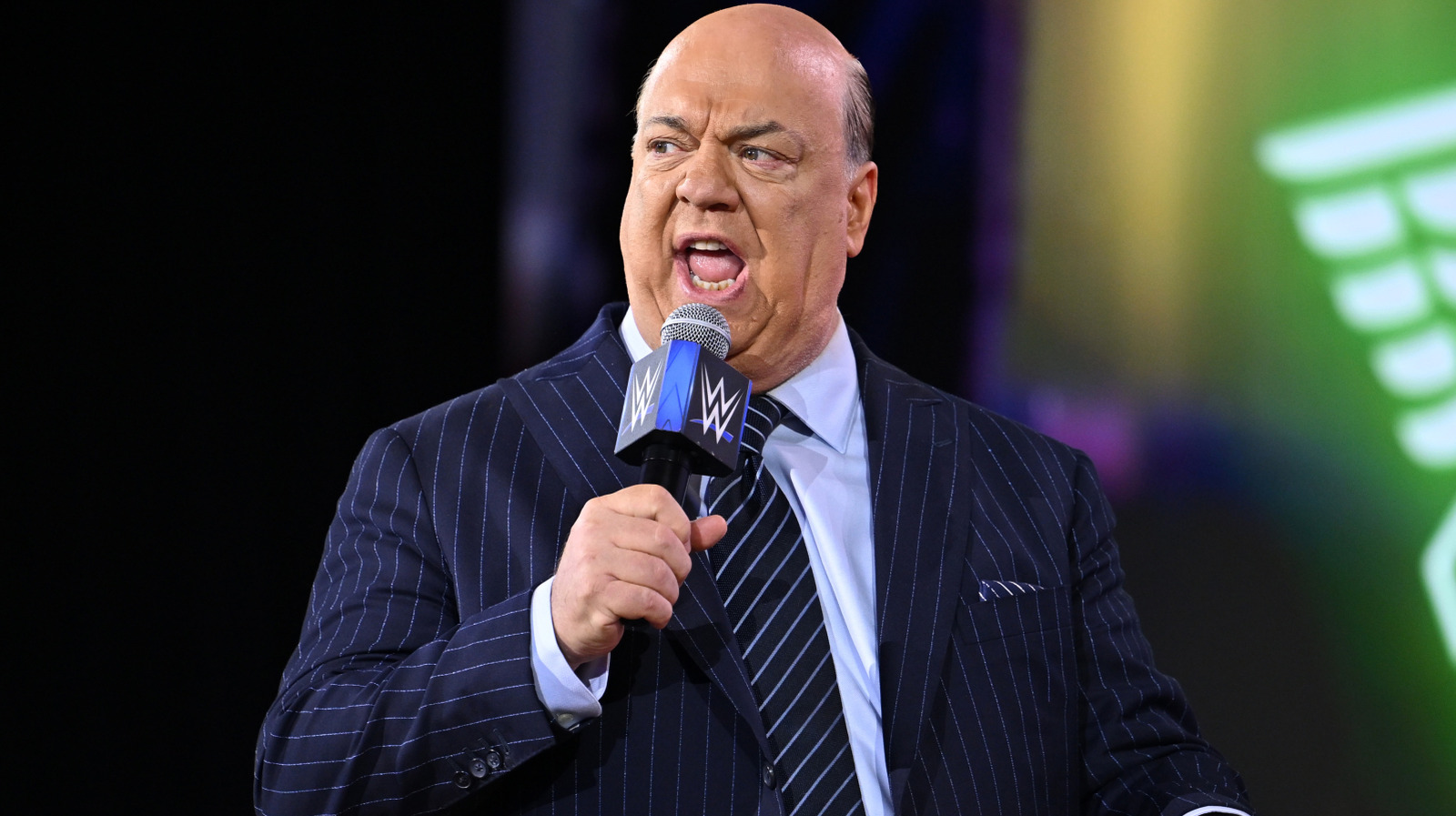
In wrestling, talent evaluation is often reduced to physical metrics or promo cadence. Yet looking at how roster mainstays carved out multi-year runs in WWE, the influence of Paul Heyman remains an inescapable constant. Former Cruiserweight Champion Nunzio recently detailed how his path into WWE was forged directly by Heyman's endorsement, proving once again that ECW's true legacy wasn't weapons—it was structural talent positioning.
When WWE absorbed ECW's alumni, the expectation was that hardcore specialists would quickly fade under corporate production guidelines. Instead, workers who understood micro-pacing and character commitment outlasted flashier prospects. Heyman understood how to hide physical limitations while maximizing mechanical execution, a formula WWE exploited for over a decade in its cruiserweight and tag divisions.
Tactical booking versus modern homogenization
Modern mid-card wrestling frequently suffers from a uniform workrate template where matches follow predictable 12-minute structural beats. The early 2000s cruiserweight division operated differently, leaning into style clashes that demanded rapid counter-wrestling and immediate crowd alignment. Players like Nunzio succeeded not through overwhelming offense, but by understanding gap control, leverage spots, and keeping ring work tight between key bumps.
The critique of current developmental pipelines is that they often strip away these sharp edges in favor of standardized mechanics. When every wrestler works the same dropkick-cut-off-comeback sequence, the product loses its tactical unpredictability. Heyman's roster management relied on distinct role-players who understood exact niche requirements, something modern booking occasionally forgets in pursuit of generic workrate.
The enduring lesson for roster construction
A functional wrestling card requires more than main-event marquee names; it relies on dependable mechanics who can execute a 7-minute TV match without a single botched transition. Heyman's ability to spot those specialists created a blueprint that sustained WWE's undercard through major transitional eras. As promotions continue balancing spectacle with match quality, returning to that level of hyper-specific talent profiling remains the key to keeping lower-card storytelling alive.