Measuring the cost of the six-month vacuum
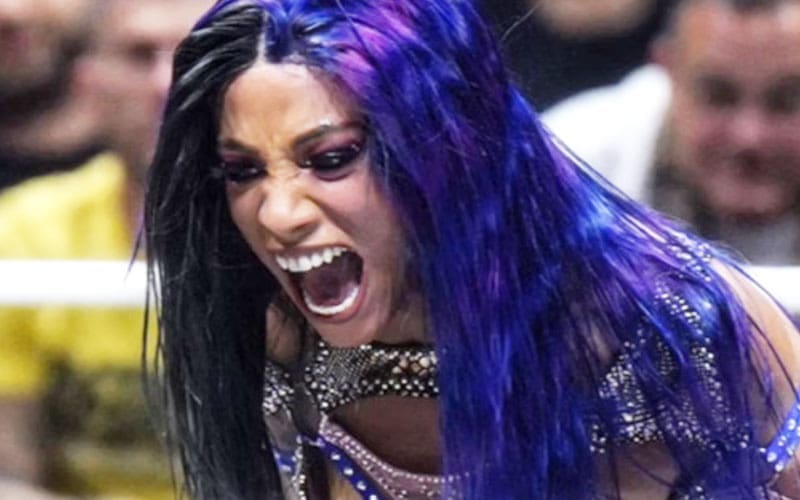
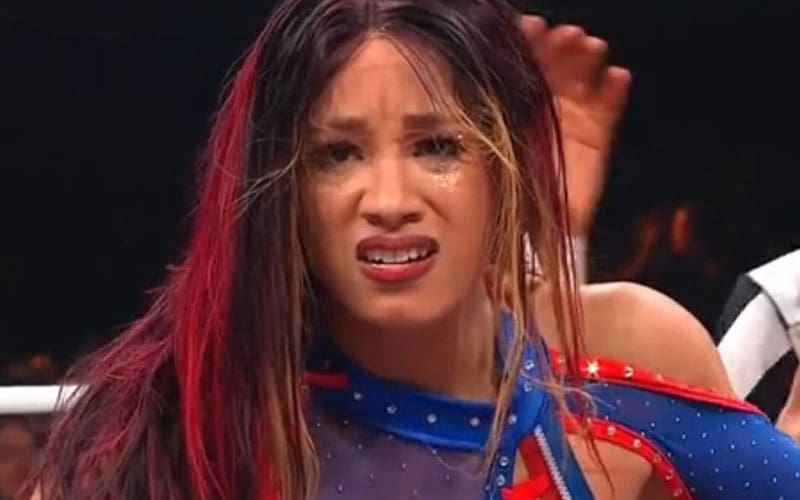
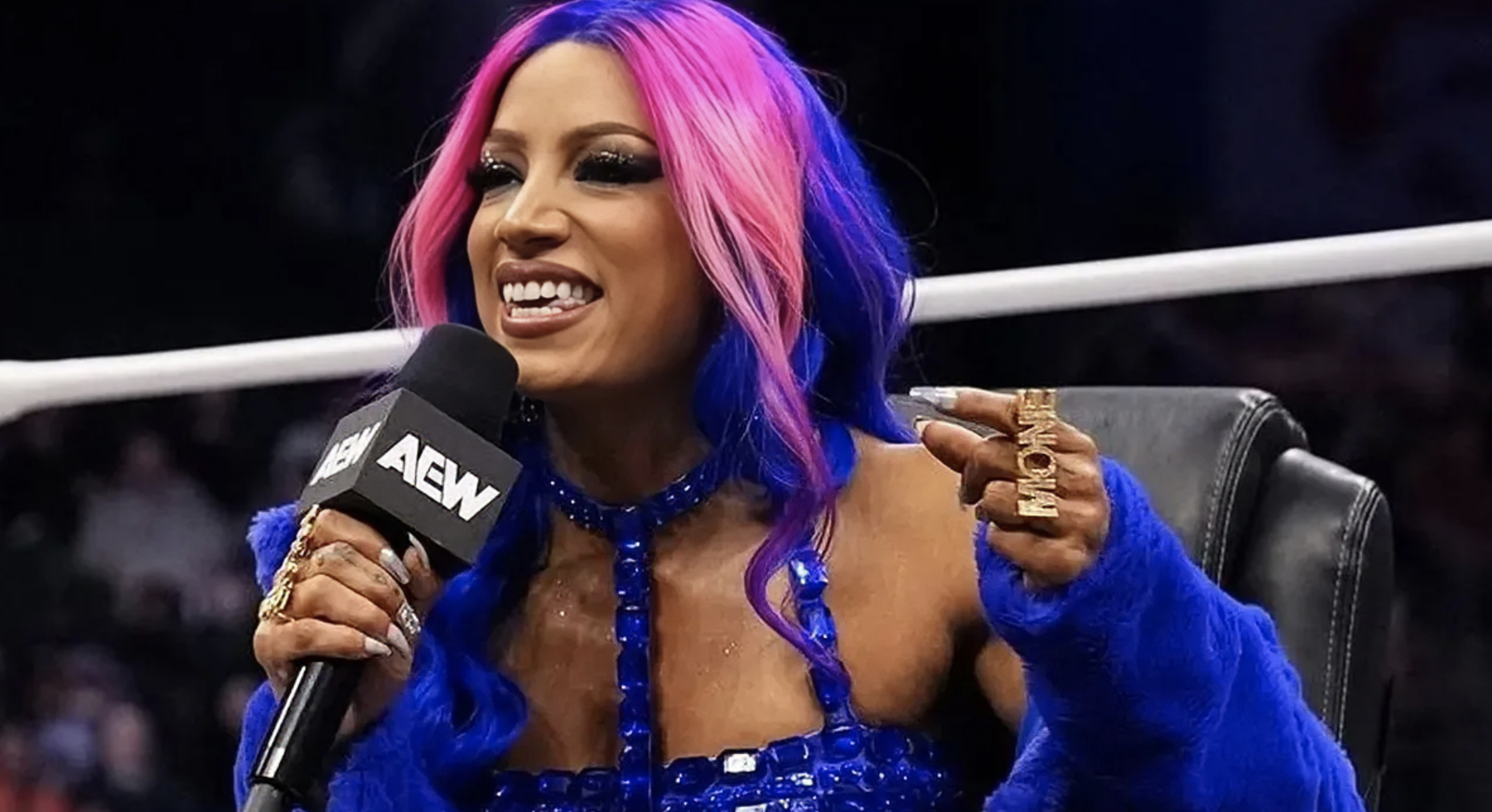
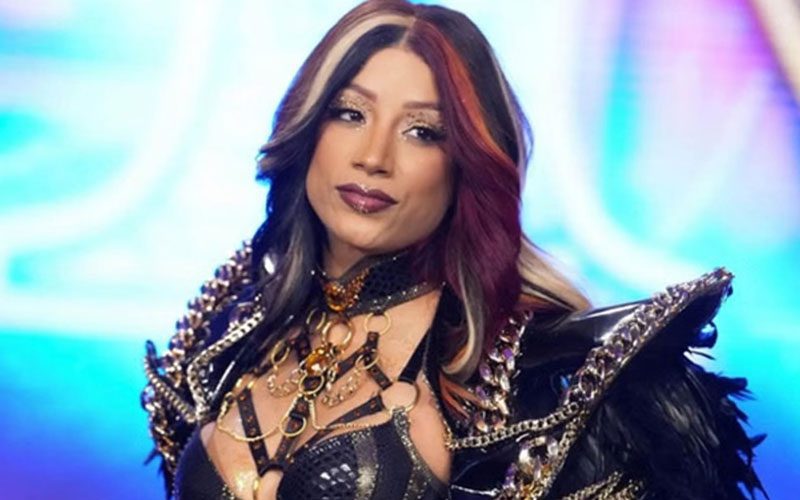
When Mercedes Moné returned to AEW television on June 3, 2026, she effectively ended a 180-day period of speculation that saw digital metrics surrounding her persona swing wildly. The gap between her disappearance and her re-emergence in the Owen Hart Tournament created a vacuum that allowed fan narrative to outpace company reality.
Reports surfaced during that window suggesting everything from unexpected pregnancy to an unceremonious exit. As addressed by Moné herself, the reality was stripped of the drama internet detectives projected. The lack of proactive communication meant the promotion sacrificed months of potential build, leaving her character in an ambiguous state of flux that persists today.
The inconsistency of star utilization
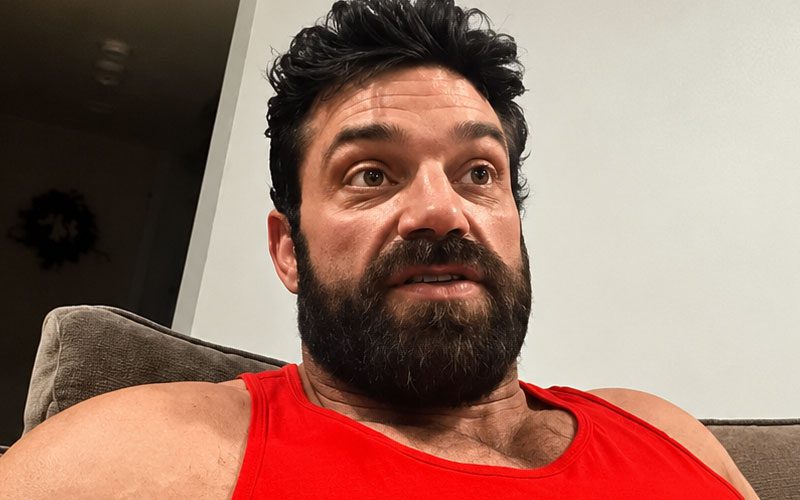
AEW is struggling to balance high-profile talent retention with actual narrative momentum. For comparison, take Brian Cage, who spent extensive time away recovering from three separate surgeries. According to Ringside News, Cage used his hiatus to evaluate his character "The Machine," suggesting an internal pivot that Moné’s camp failed to execute during her own layoff.
If you look at the current roster dynamics, the disparity is stark. The Don Callis Family is currently functioning at a high efficiency level, showing a clear, linear trajectory that keeps viewer engagement high. In contrast, the promotional handling of top-tier talent like Moné feels reactionary. Leaving a cornerstone talent off television for 5 months without a clear creative anchor allows the audience to lose the plot.
The gap between rumor and television output
The absence of talent on a roster-wide basis is becoming a recurring theme that shifts the focus from the ring to the dirt sheets. EC3’s recent absence from TNA programming following his much-hyped return serves as another data point in this trend. When performers disappear without a lingering story beat, they essentially cease to exist in the collective consciousness of the average viewer.
For Moné, the return on June 3rd was a flatline experience because the stakes lacked previous build. When PWTorch noted her character was stuck in ambiguous mode, they weren't just criticizing her promo work; they were pointing at the fiscal mismanagement of a star who requires consistent exposure to justify her market position. She returned as a wildcard, but the crowd reaction was muted compared to her debut due to the lack of developmental continuity.
AEW needs to recognize that a six-month hiatus in the modern streaming era is an eternity. If the promotion continues to drift between hotshot returns and long-term radio silence, they risk alienating the casual audience who value narrative stability over surprise appearances. Talent on high-value contracts should not be relegated to the rumor mill; they should be the anchors of the weekly television product.