The wildcard becomes the center of gravity
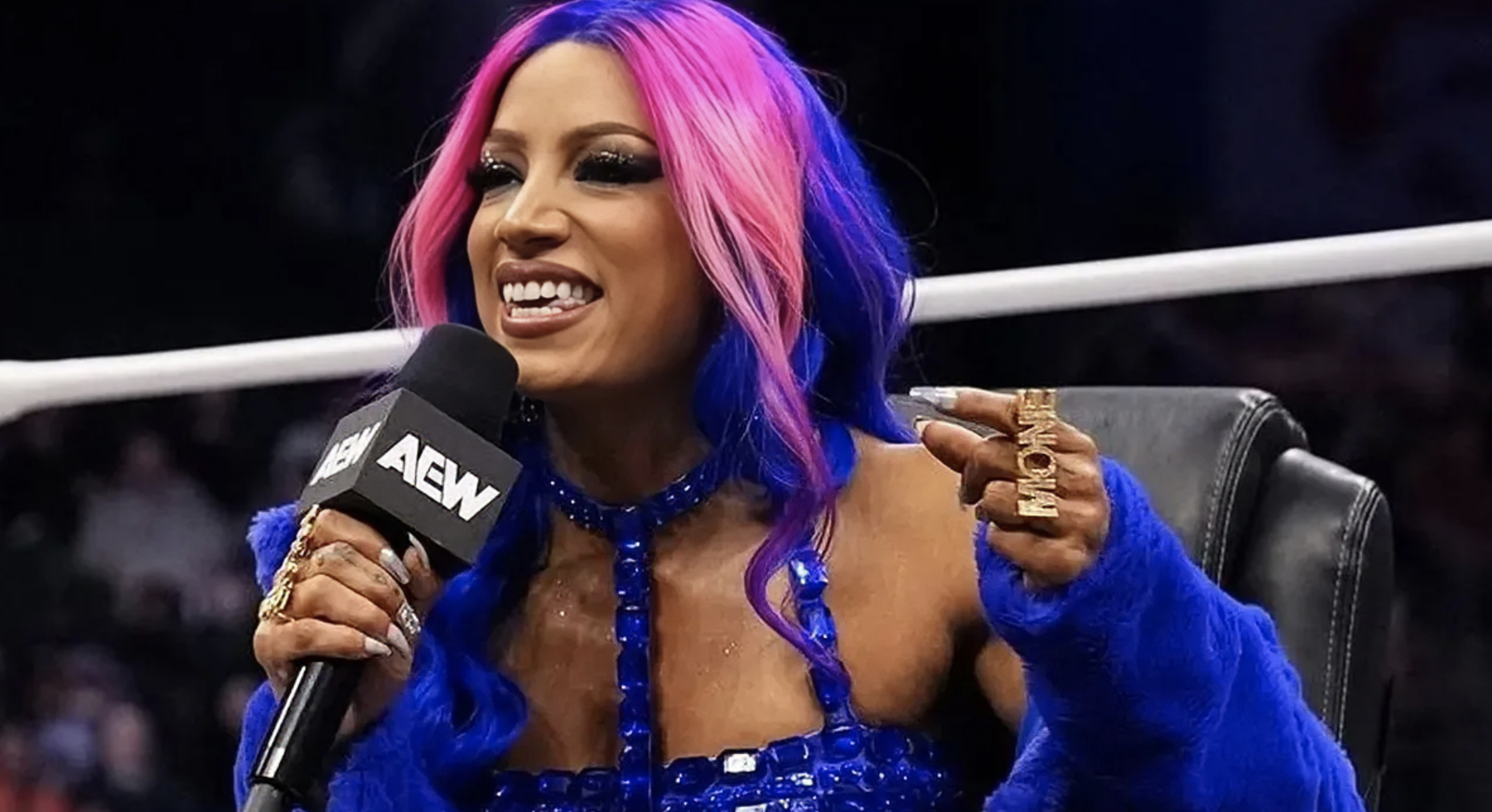
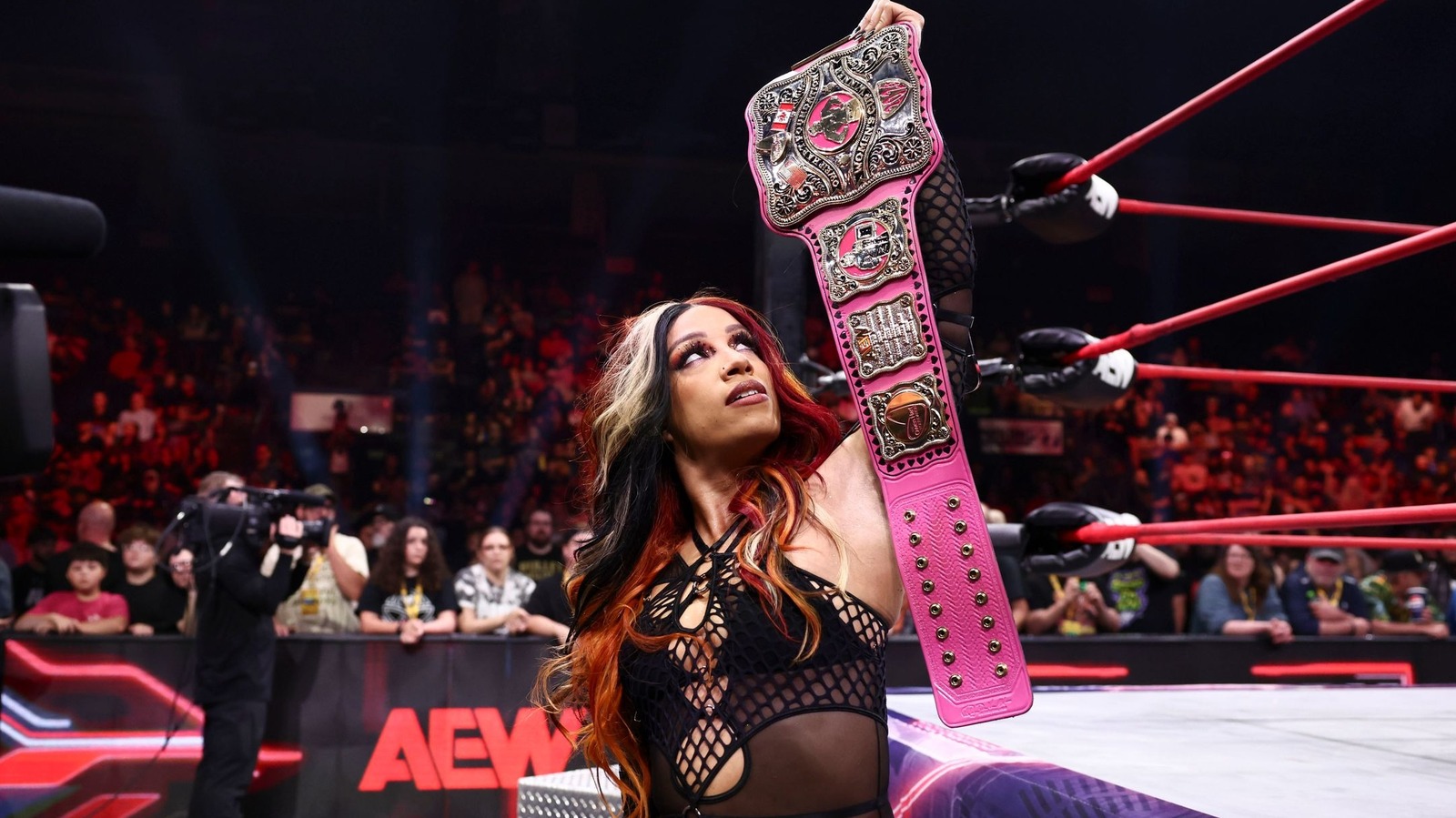
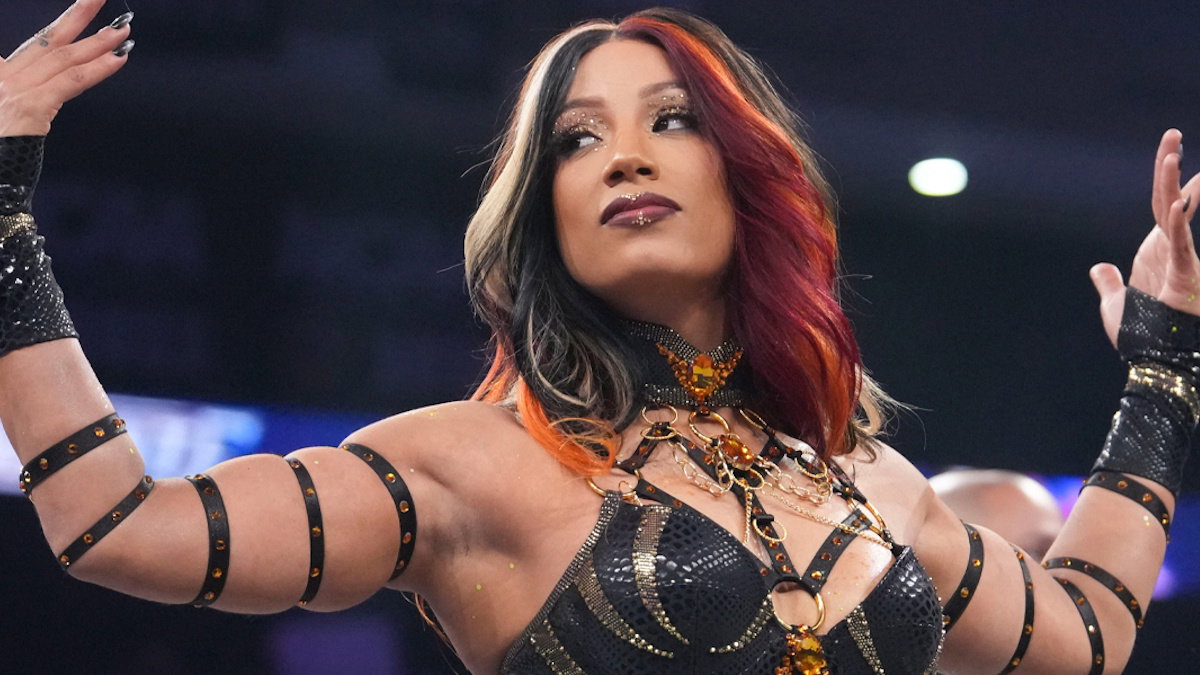
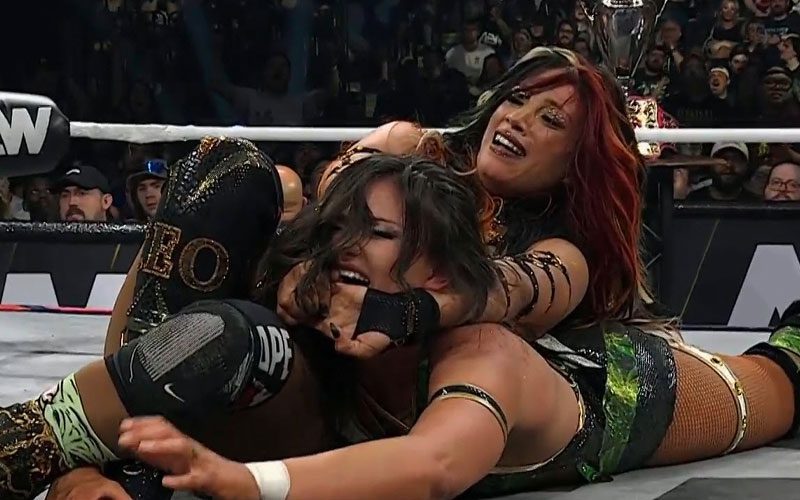
AEW Dynamite on June 3, 2026, established the ceiling for the Owen Hart Foundation Tournament. The surprise inclusion of Mercedes Moné as the designated wildcard effectively moved the goalposts for every other competitor in the bracket. Her victory over Alex Windsor via submission was not a showcase of high-flying spectacle, but a masterclass in controlled dominance.
Technical proficiency in these tournament settings is often ignored in favor of sheer momentum. Moné arrived with a singular objective: securing the trophy. By isolating Windsor's ankle and systematically working toward the tap-out, she demonstrated a clinical approach to booking that prioritizes efficiency over the typical high-octane wrestling style that often plagues the promotion.
The structural flaw in tournament pacing
While the result was clean, the surrounding context on Dynamite remained problematic. We see a recurring flaw where the company treats every segment like a main event, leaving the audience gassed by the end of the second hour. The grind of the three-hour format dictates that even high-profile matches like this struggle to maintain the attention of a tired crowd.
Booking a wildcard entrant is a classic wrestling trope used to mask inconsistent momentum in the women's division. It works here because of the pedigree involved, but using it as a band-aid for stagnant storytelling is a dangerous habit. If the tournament continues to demand this much airtime without addressing the pacing problem at the heart of Dynamite, the final victory will feel diminished by spectator exhaustion.
Defining the tactical path to the final
Moné showed us her primary arsenal in the Windsor match: precise submission work and elevated ring IQ. She avoided the trap of engaging in a trade-off contest, opting instead for a deliberate, slower pace that forced Windsor to play to her tempo. This is veteran move-setting. You do not win tournaments by exhausting yourself in the opening rounds; you win by conserving energy for the final 15 minutes of the tournament climax.
The bracket expansion suggests that the company is looking for a signature coronation later this year. If Moné keeps the workrate tight and avoids falling into the high-spot obsession that defines the promotion elsewhere, she is the clear favorite. However, if she gets sucked into the chaotic, spot-heavy style of the undercard, her tactical advantage evaporates instantly.
Prediction for the next round
Professional wrestling is rarely about the best worker winning; it is about the most relevant character justifying the time invested in them. Moné is the only performer in this bracket with the heat required to carry the tournament narrative into the late summer. She is effectively the anchor of the division right now, and the match quality will likely sharpen whenever she is in the ring.
Expect her to win the next round by exploiting a specific weakness in her opponent’s movement. My money is on a submission sequence executed in under 12 minutes. If she gets dragged into a longer match, it is a sign that the booking team has lost the plot on her presentation. Moné advances, but the promotion must simplify the surrounding noise if they want the tournament to matter by the time the semifinals roll around.
Read Next