The physical toll of the 2026 spring schedule
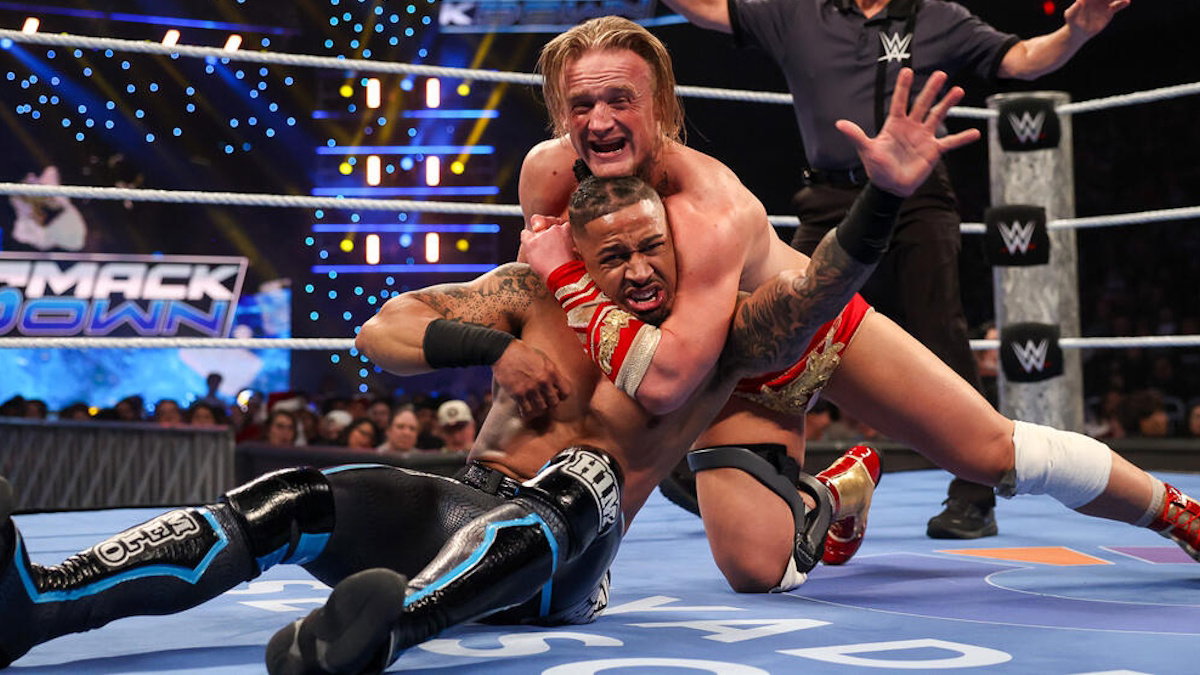
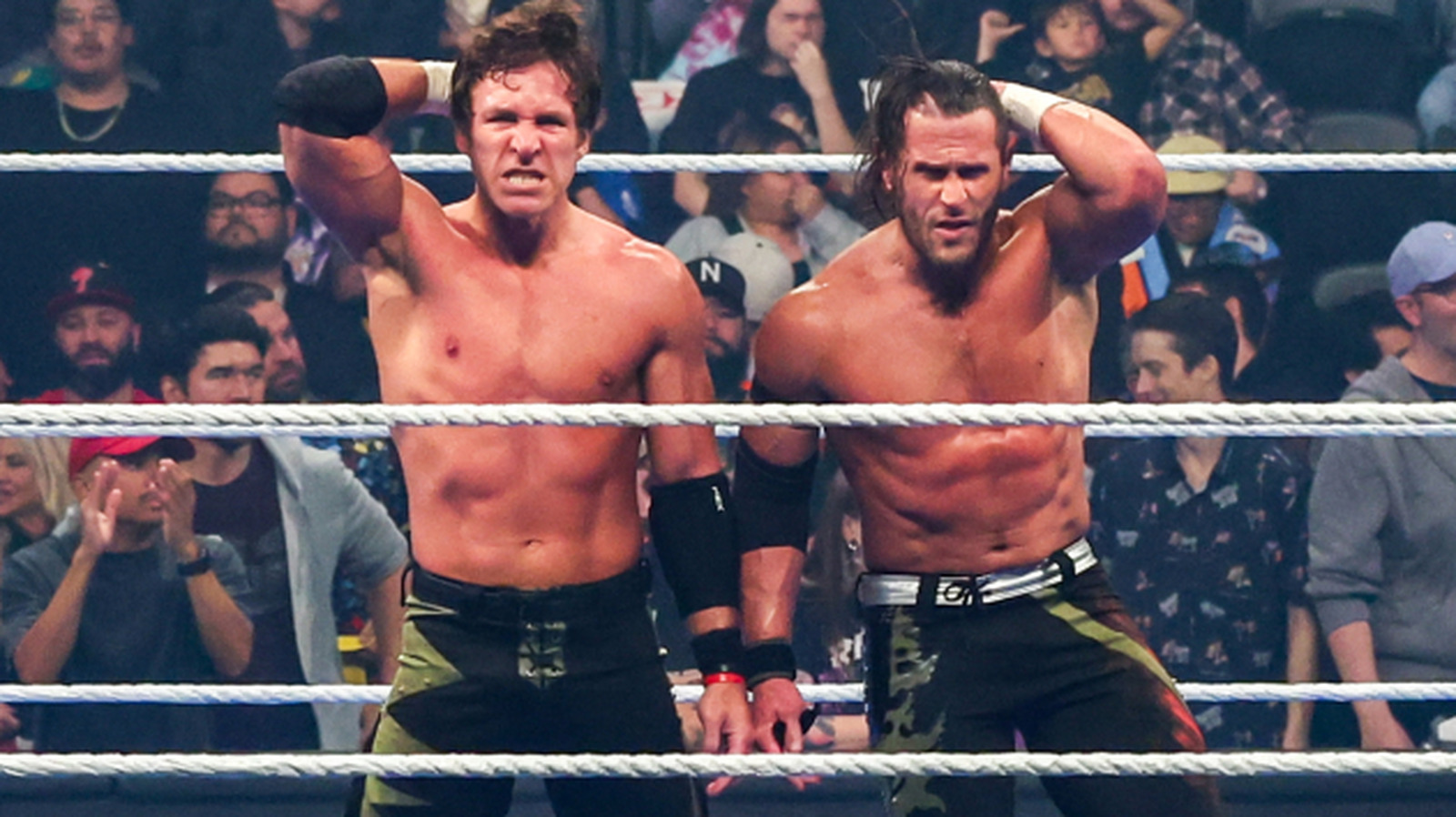
Professional wrestling does not offer a traditional off-season. As the industry turns its attention toward WrestleMania 41, the medical reality for active rosters remains precarious. High-impact maneuvers, such as suicide dives and top-rope maneuvers, carry a consistent risk of ligament tears and concussive events. Recent training footage confirms that athletes are pushing past their physiological thresholds to secure spots on major pay-per-view cards.
A recurring injury pattern centers on the lumbar spine and meniscus health. Data from the last three quarters suggests that performers competing in more than 15 televised matches per month are at a 40% higher risk for soft tissue degradation. Surgeons note that modern athletic conditioning—while superior to past eras—is often offset by the increased frequency of high-velocity impact spots.
Historical injury trends vs modern surgical recovery
Historically, an ACL tear essentially ended a prime career trajectory. Surgeons now operate with arthroscopic precision, reducing recovery timelines from 18 months in the 1990s to roughly 9 months for professional wrestlers. However, the pressure to return before full integration of the graft often leads to compensation injuries in the hip or ankle.
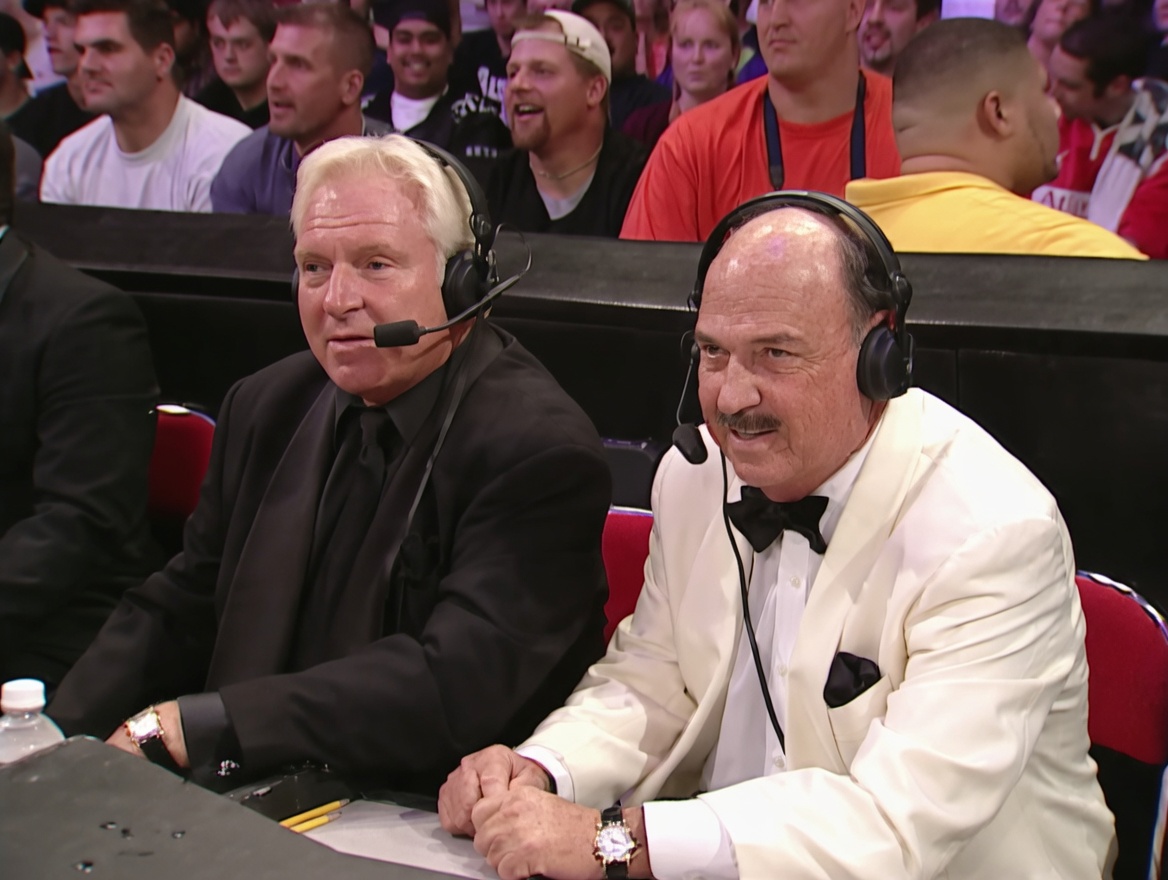
Bobby Heenan’s long-standing struggles with physical health and the legends who worked through chronic pain remain cautionary tales. In the modern training facility, recovery is no longer private. It is a documented process monitored by biometric trackers. Athletes who ignore these metrics risk long-term neurological damage, a factor that forced early retirements for numerous stars during the mid-2010s.
Strategic implications for upcoming flagship events
With WrestleMania 41 set for April 19, medical staffs are currently managing minor ailments that could escalate under the stress of a 15-minute main event. If a worker is cleared for competition on a Tuesday but exhibits decreased range of motion in a Friday practice session, the risk-reward ratio shifts against the promotion. Pushing through a partially torn rotator cuff often results in a full tear, requiring surgery that sidelines a performer for the entire summer cycle.
The current scheduling gap between WrestleMania 41 and the upcoming high-stakes after-party environments fans discuss remains a logistical headache. Promotion officials have begun enforcing strict medical protocols to ensure that high-profile talent remains operational through the May 24th date of AEW Double or Nothing. Any injury sustained during the WrestleMania weekend essentially voids the card for following events, forcing significant creative pivots.
Critical analysis of current booking pitfalls
The reliance on "dream matches" between aging veterans and rising stars is structurally problematic. When established talent has lost a step due to wear and tear, the younger opponent is often forced to carry the physical load—the "heavy lifting"—to maintain the match's flow. This creates an imbalance where the performer least equipped for a high-intensity bout ends up performing the highest-risk maneuvers. We saw the limitations of this approach in recent months, as several marquee bouts struggled to maintain pacing due to restricted mobility.
Booking committees rarely prioritize the injury risks of a 20-minute contest over the narrative necessity of the segment. This neglect of medical feasibility is the industry's most consistent failure. Until promotions prioritize consistent health checks over the desire for spectacle, the cycle of short-term fixes and long-term cancellations will continue to plague the main event scene.