The locker room politics of the early 2000s were a snake pit
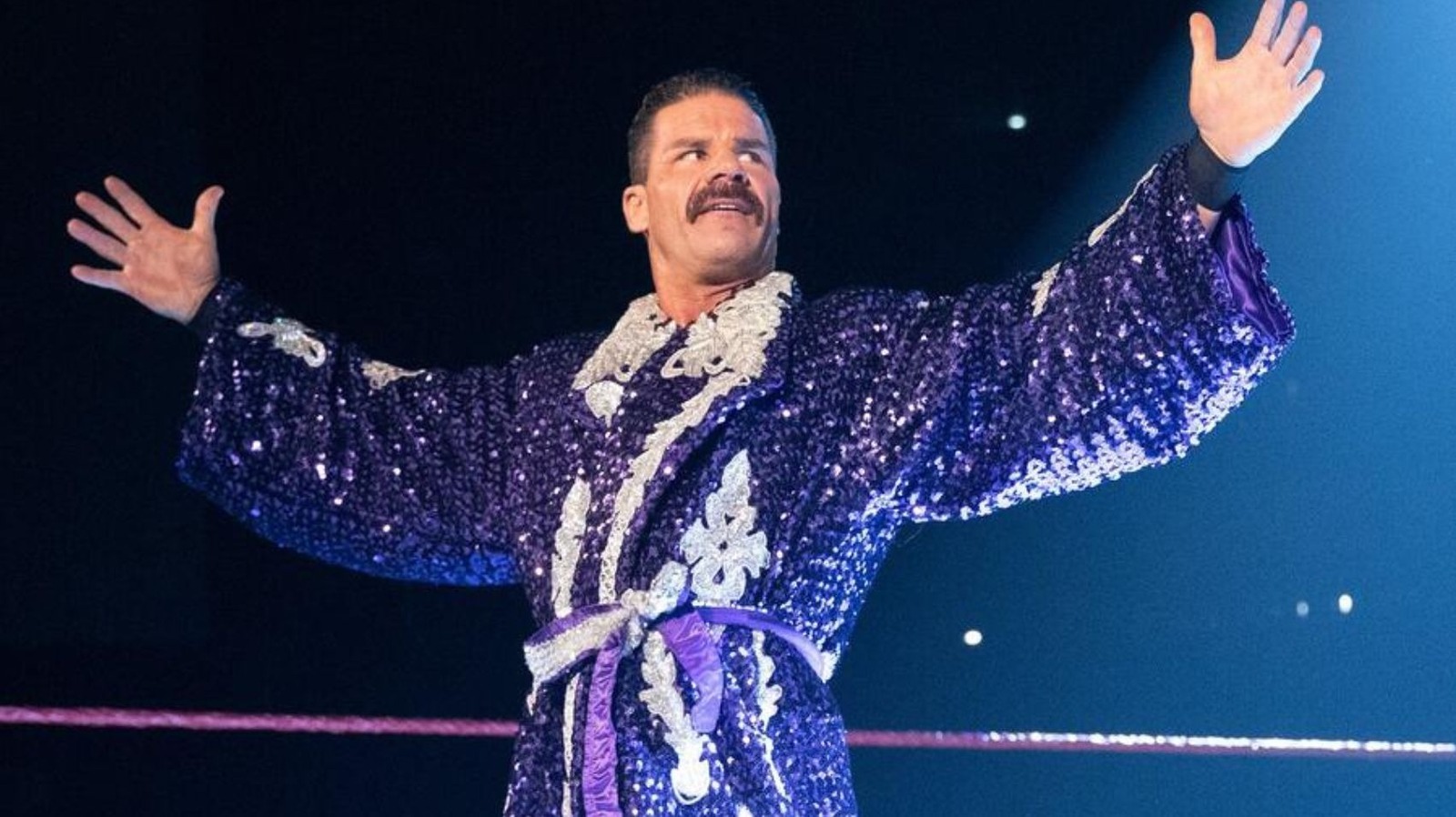
Everyone remembers Maven as the guy who dropkicked The Undertaker out of the Royal Rumble in 2002. It was the ultimate 'wait, what just happened?' moment, a fever dream for any fan watching with a smuggled beer or a lukewarm soda. But behind the curtain, the reality of the locker room was less about Cinderella stories and more about figuring out which lane to stay in to avoid becoming roadkill.
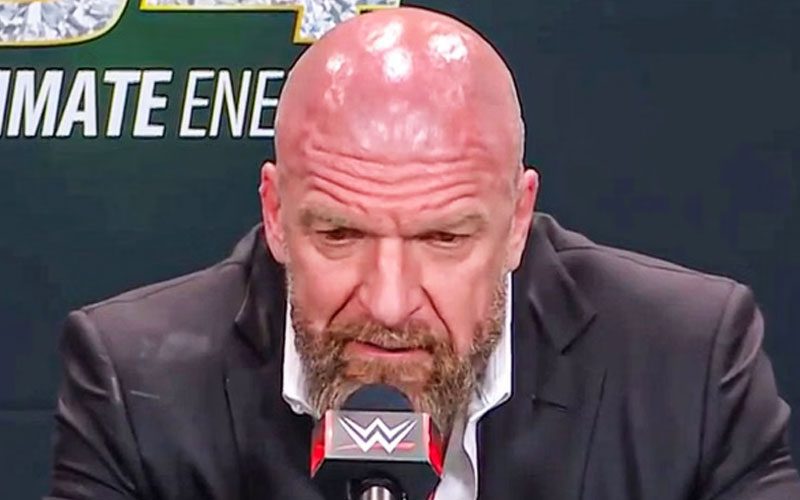
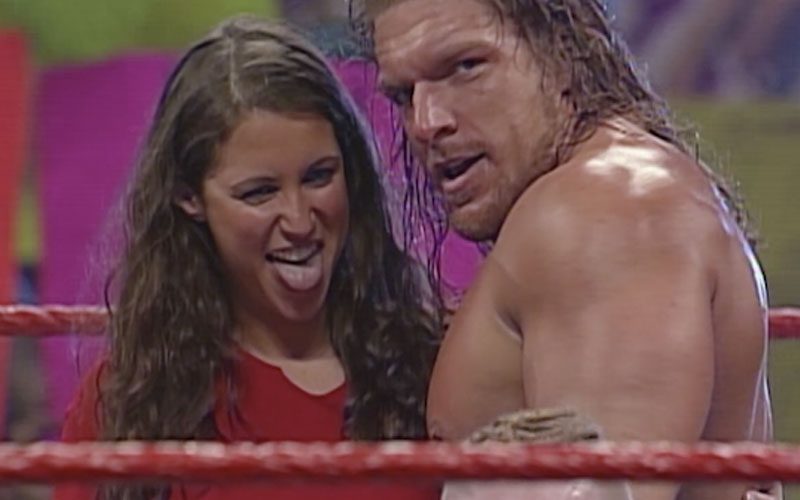
Maven has been dropping bombs on his YouTube channel lately, and his recent take on the Triple H and Stephanie McMahon relationship is exactly the kind of unvarnished perspective we need. He isn't talking about soap opera drama. He is talking about career survival in an era where the throne was occupied by a guy who famously had his own shovel for burying talent.
The intersection of power and convenience
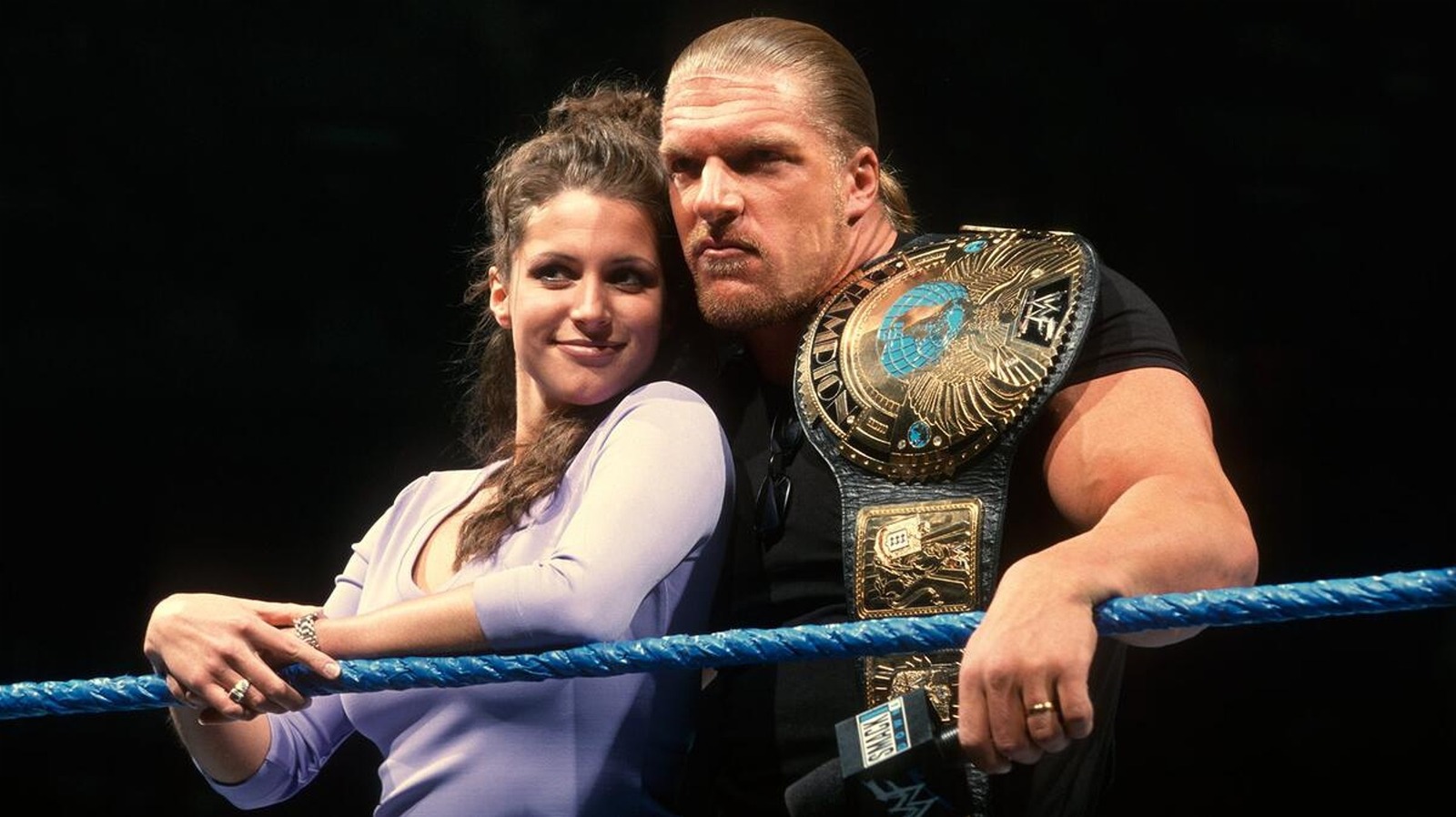
According to recent reports regarding Maven's comments, the relationship between Triple H and Stephanie McMahon wasn't just a romance in the eyes of the mid-card talent. It was a structural reality. If you were a guy like Maven, walking through the corridors of catering, you didn't look at that pairing and see a fairy tale. You saw a career path that was blocked off by a concrete wall of executive influence.
Maven frames this not as a critique of their love life, but as an observation of what that meant for the average worker bee. If your boss is the founder's daughter and your best friend is the guy running the daily operations, your job security is theoretically bulletproof. Triple H being under the learning tree and then eventually becoming the tree itself turned the company into his personal playground.
Was the booking too biased?
The argument Maven seems to be circling is that Triple H’s rise wasn't just about his work rate or his ability to cut a promo. It was tactical. We watched the Reign of Terror play out on Monday Night Raw for years, where every challenger from Booker T to RVD seemed to hit a glass ceiling the moment they stepped into the ring with The Game.
It is easy to roast the booking choices of 2003, but it is harder to admit that the locker room felt helpless. The fact is, the company was being groomed for a dynasty. When you look at the current landscape of wrestling promotion, it makes you appreciate moves that feel earned rather than inherited. Maven’s honesty reminds us that back then, the game was almost literally rigged.
The brutal truth about the card placement
Let’s be honest: not everything Maven says is gold, and sometimes retired guys have a chip on their shoulder about where they landed on the card at Survivor Series. If you look at the stats, Triple H was a workhorse, performing in main events for 365 days a year, often carrying programs when the creative direction was cratering faster than a mid-90s Nitro segment.
You can call it convenient for his career, but Triple H also put in the miles. You don't get the gold-plated career track without showing up to work while injured and carrying a 20-minute match for a crowd that stopped caring three segments ago. Maven is justified in his bitterness, but he ignores that even if the route was easier, you still have to walk the path without tripping over your own feet.
The era of Triple H defined what WWE became for two decades. Whether you think that was a masterclass in psychology or a total monopoly on television time, it was impossible to ignore. Maven just put a name to the feeling of malaise every fan felt during that five-year stretch when the same guy held the World Heavyweight Championship with a revolving door of losers waiting for their turn to get pedigree’d.