Stagnation in the middle of summer
The July 13 edition of Monday Night Raw drew a total viewership that highlights a concerning trend for WWE creative: total stasis. According to recent ratings data, the program generated numbers almost identical to the previous three weeks, signaling that the current product is failing to capture new eyeballs or expand its audience reach.
When a weekly flagship show locks into a specific viewership band for an entire month, it suggests a lack of narrative momentum. In the professional wrestling business, heat is currency. Without distinct spikes or dips during key segments, the data implies a audience that is watching out of habit rather than appointment.
The math behind fixed viewership
The specific demographic data from the July 13 airing serves as a diagnostic tool for why fan growth is minimal. With viewership figures flatlining at a level matching early-July benchmarks, the promotion is effectively playing to a closed loop. If this were a football match, it would be the equivalent of a 0-0 draw where neither side creates a shot on goal.
Why predictability hurts the bottom line
WWE booking strategies appear to prioritize brand protection over short-term narrative volatility. While this approach prevents catastrophic drops, it also kills the potential for viral growth. A product that stays within 1-2% of its prior performance marks is a product that has lost its urgency. When audiences know exactly what the ceiling and floor of a show look like before the first bell rings, the incentive to tune in live evaporates.
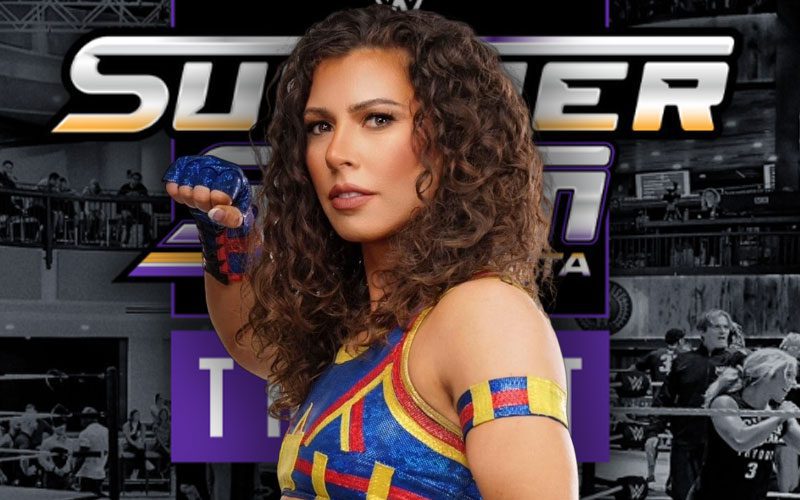
The upcoming SummerSlam tryout for J-Rod highlights just how desperate the leadership is to inject new blood into this static environment. Bringing in outside developmental talent is a standard move to shake up a stagnant roster. However, the data suggests that personnel additions alone cannot move the needle if the weekly structural formula remains unchanged.
The missing catalyst
Looking at the 18-49 demographic, which is the primary metric for advertising health, the numbers were notably tepid. Compare this to historical peaks where marquee feuds fueled double-digit gains in short windows. Currently, the lack of a breakout, crossover talent—the kind of star that Logan Paul dreams of becoming—leaves the promotion reliant on legacy fan retention.
The refusal of the booking team to take risks with top-tier talent in unconventional high-stakes matches has led to a plateau that is mathematically impossible to ignore. If the promotion continues on this trajectory, the primary challenge remains audience attrition. Stability is desirable in a balance sheet, but in television, it is essentially a slow-motion decline.