Age is just a number until the bell rings
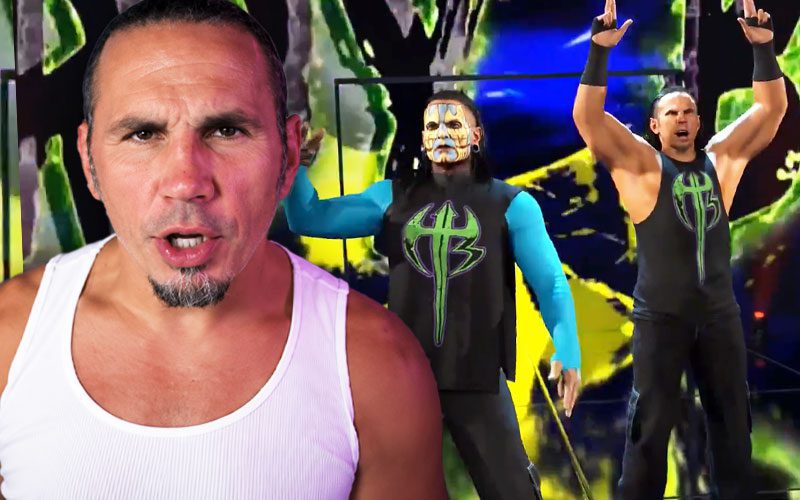
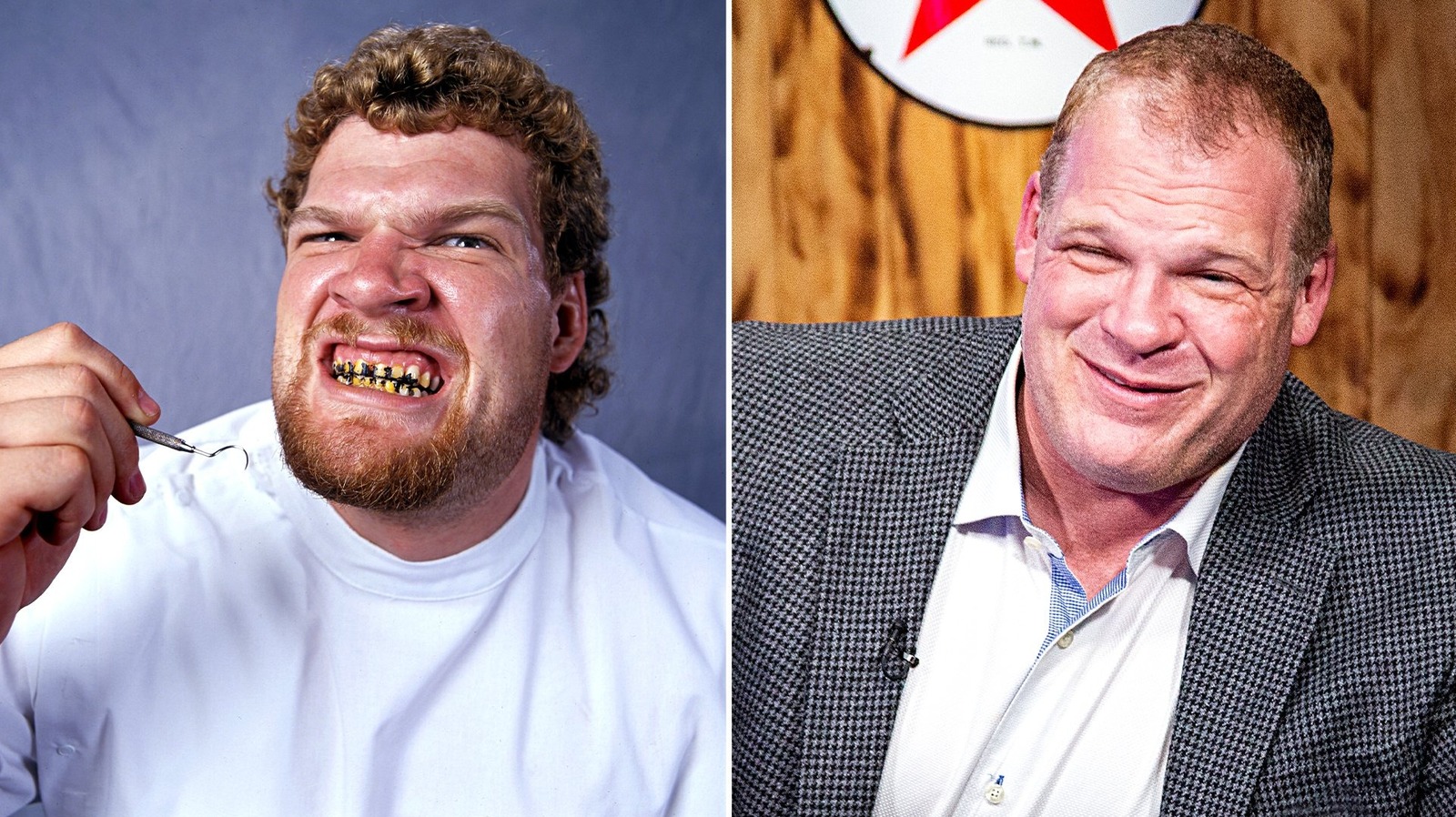
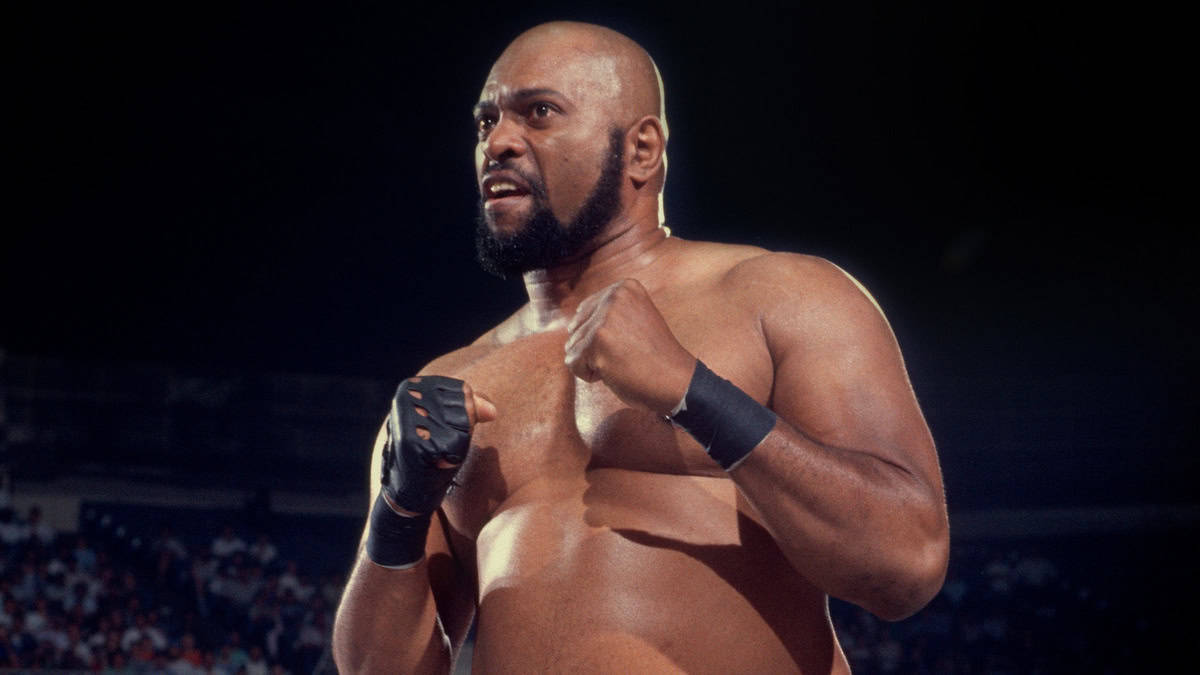
The conversation around longevity in professional wrestling has shifted toward the absurd. We recently learned that Mike Jackson, at 76 years old, claims to be in better physical condition than he was during his twenties. While his 57-year tenure in the ring is historically significant, treating this as a sustainable model for the industry is dangerous.
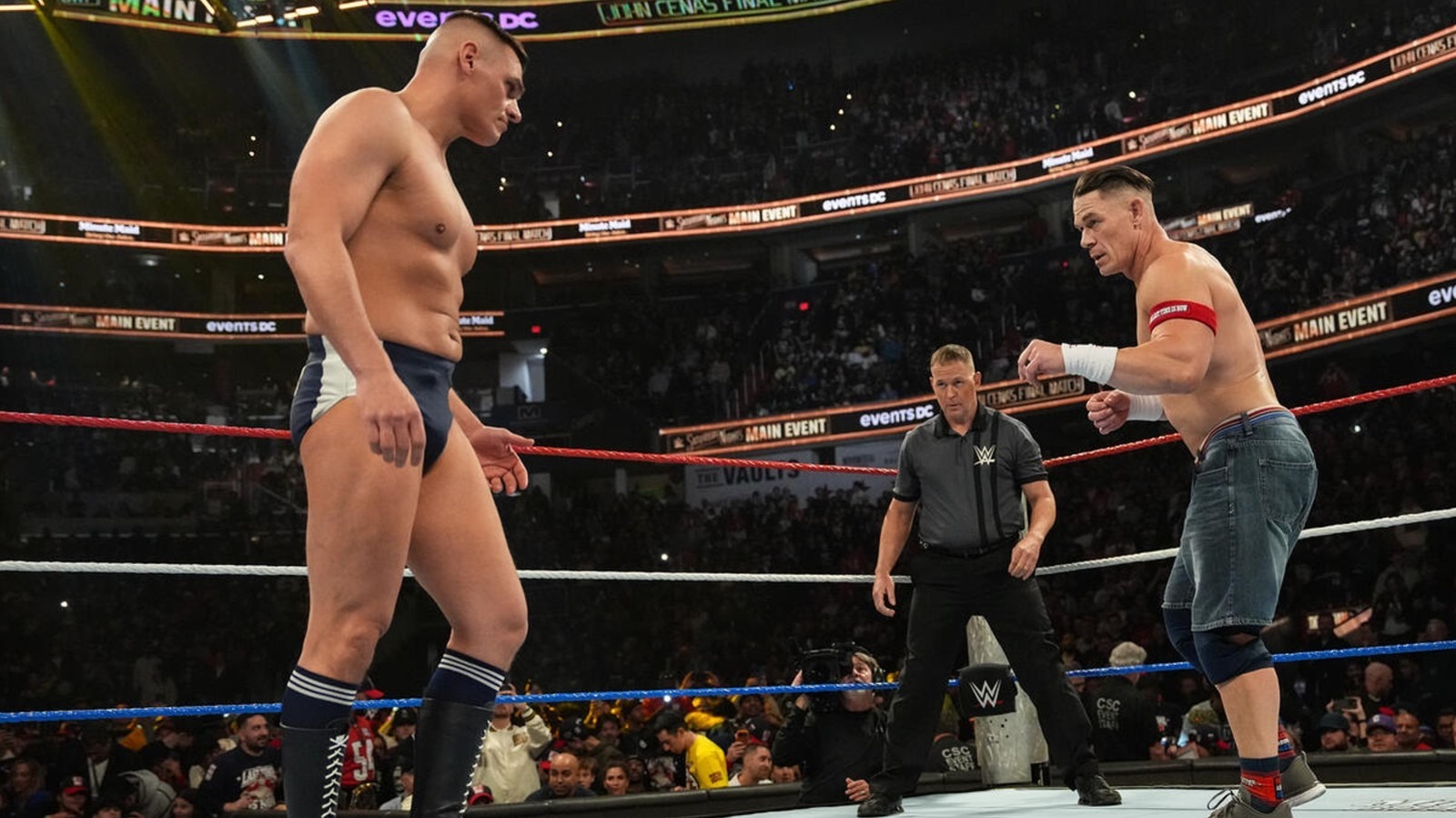
Aging performers often rely on muscle memory and high-percentage rest spots to compensate for lost explosiveness. Watching a veteran perform at a high level provides a fleeting sense of nostalgia, but it masks the structural decline of the business. When legends push past the logical expiration date, the quality of the product suffers through slower transitions and compromised sequences.
The Fedor effect and the MMA crossover allure
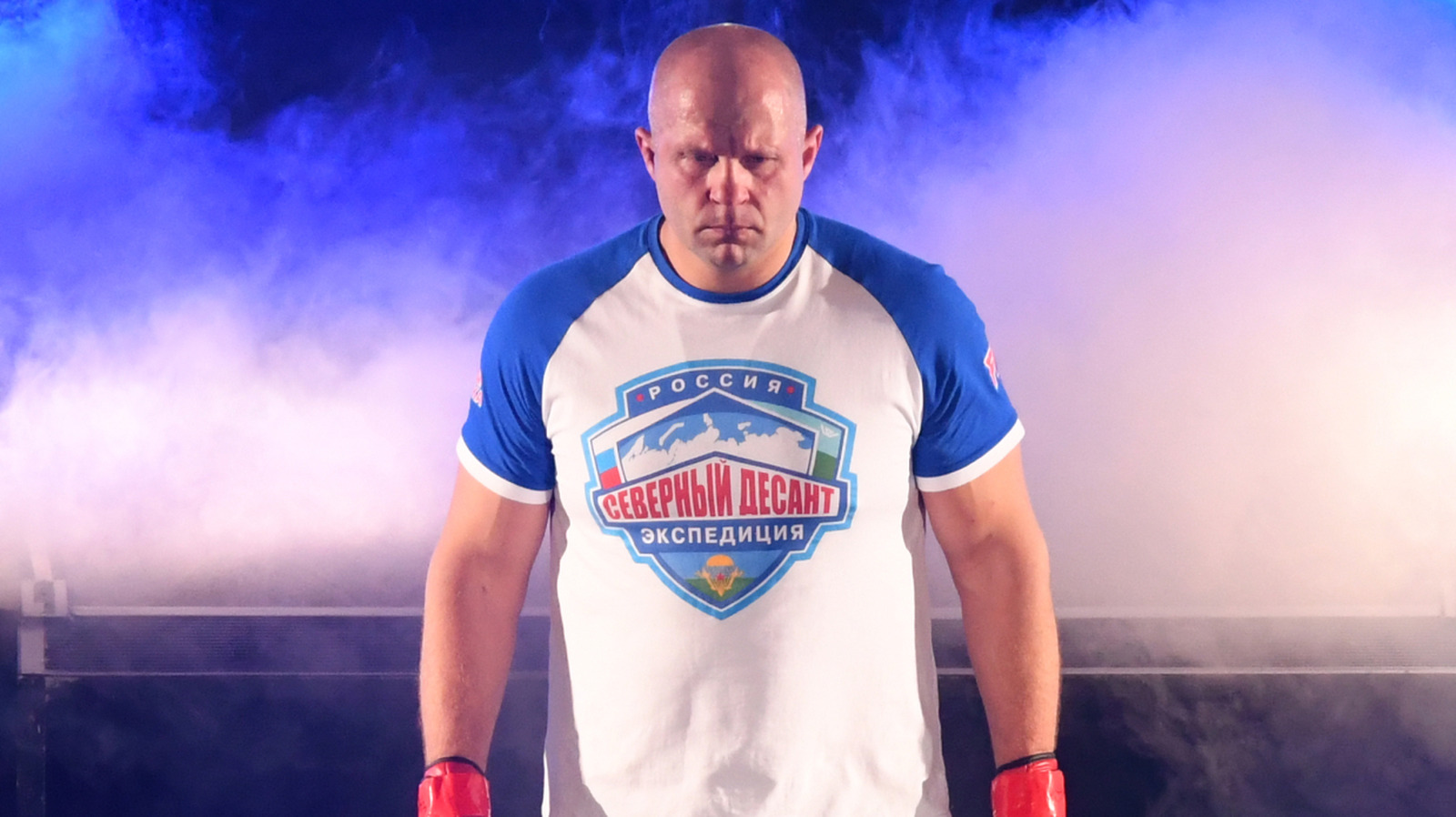
Meanwhile, the combat sports world is dealing with its own fascination with the fountain of youth. Fedor Emelianenko has indicated he is eyeing a return to action upon turning 50. This creates a specific pressure on promotions to book marquee names based on historical equity rather than current competitive viability.
We see this same pattern in wrestling booking rooms. When promoters prioritize the 'name on the marquee' over the 'talent in the ring,' match pacing gets bogged down. You see it in the way veteran-heavy cards often struggle to maintain a high work rate for the full duration of a three-hour broadcast.
Why the youth movement is stalling
The obsession with aging icons keeps the younger roster in a state of suspended animation. If a 76-year-old can still pull a payday, why invest heavily in the next generation of technicians? The reported interest in Fedor’s return highlights a lack of confidence in the current depth of heavyweight talent. It is a trend that devalues the grind of the younger performers who are currently hitting their athletic prime.
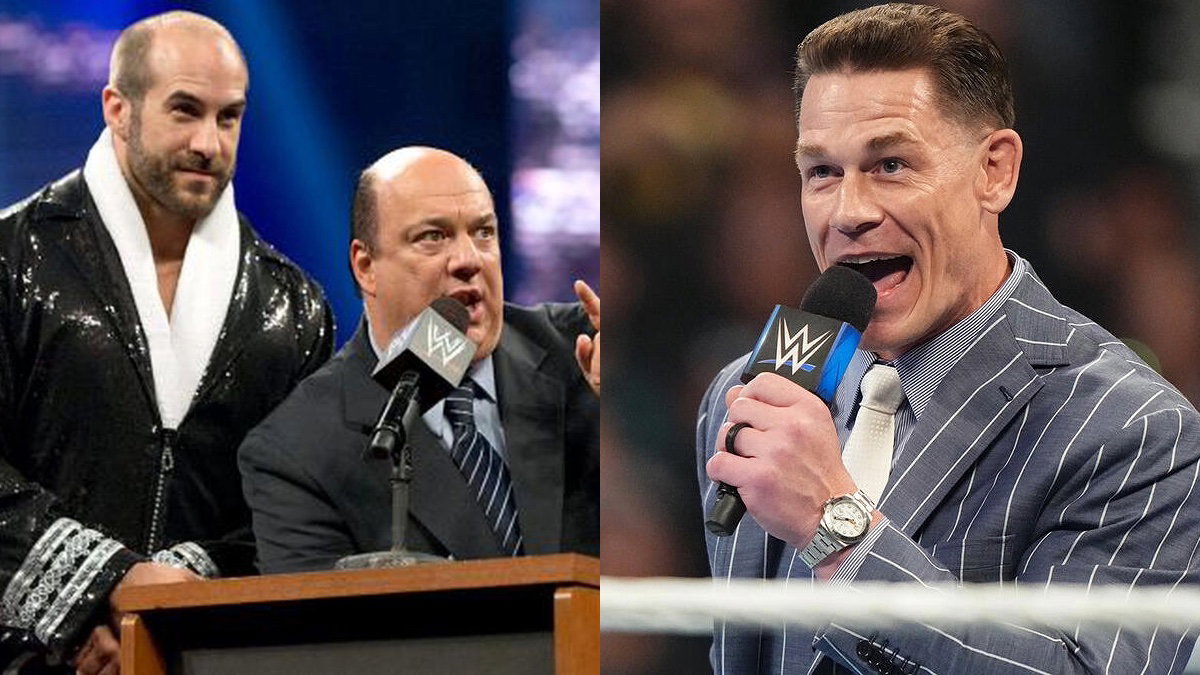
Consider the contrast between a talent like Randy Orton, who still occupies significant television time despite his long-term tenure, and the mid-card performers fighting for relevance. As recent reports suggest, the focus remains fixated on these high-profile celebrity interactions and veteran legacies. When the booking office leans on past stars instead of building credible threats for the future, the audience stops expecting evolution.
The final blow
My prediction holds firm: attempting to recapture the glory of the past through older bodies leads to a diminished return. We are looking at a 30% decrease in match quality when forced into these nostalgia-heavy spectacles. Unless the creative team shifts toward building new stars through consistent, meaningful victories, the audience will eventually grow tired of the same faces.
The industry needs to stop treating every aging performer like a hero waiting for his final moment. True growth requires benching the legends to let the current roster catch up to the standard they set decades ago. Otherwise, we are just watching a hall of fame exhibition disguised as competition.