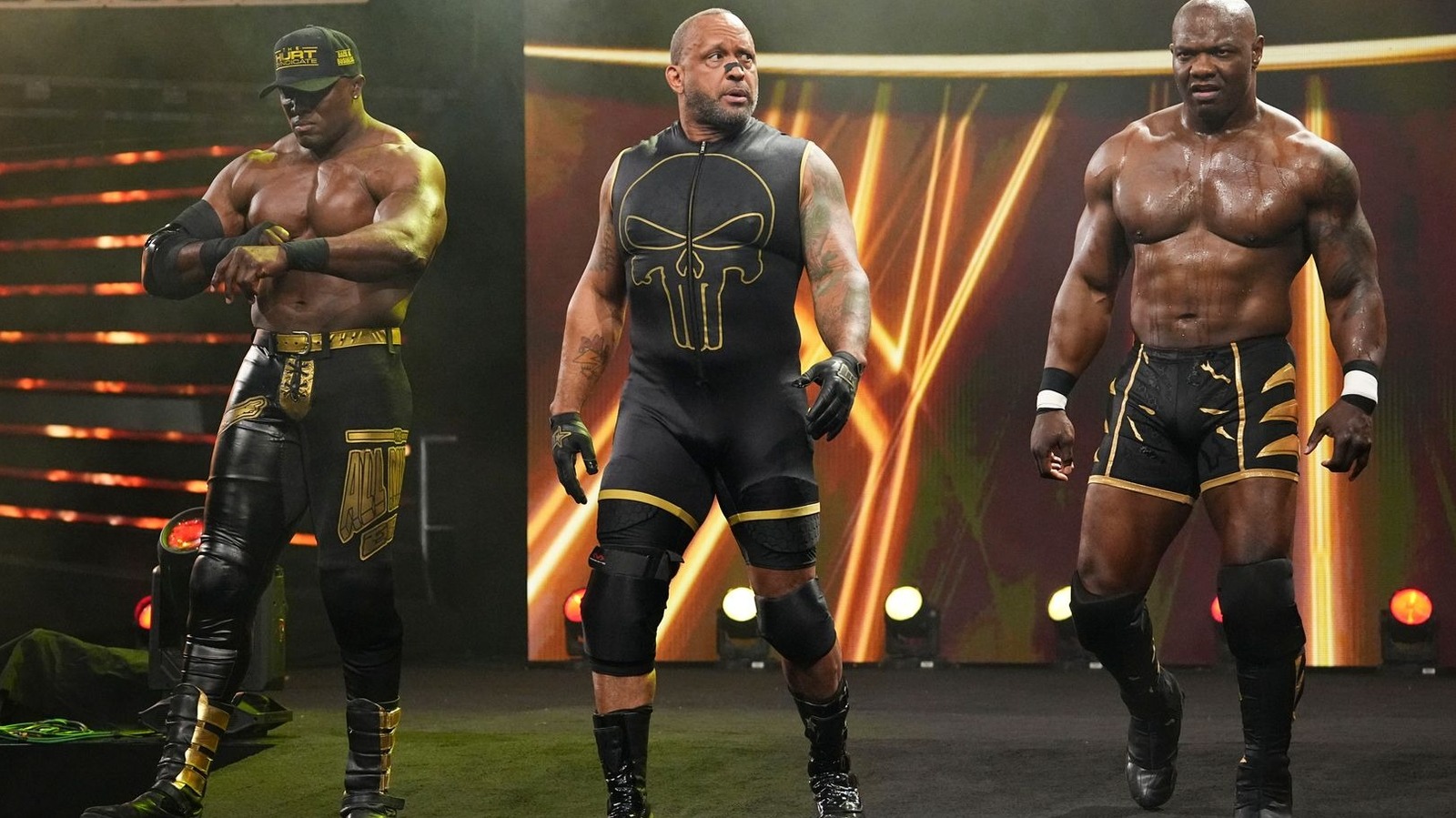
Measuring the downtime of AEW's newest arrivals
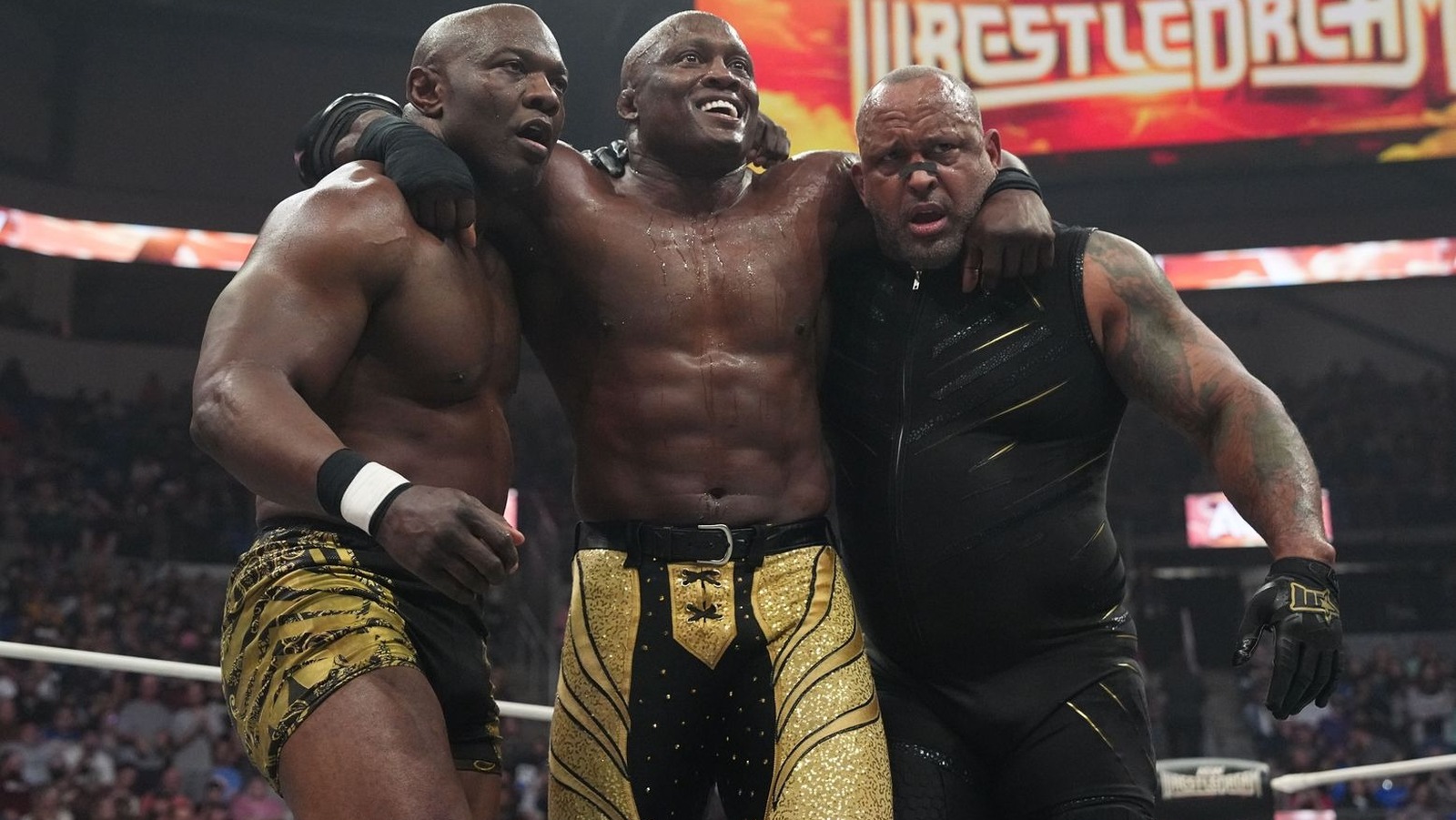
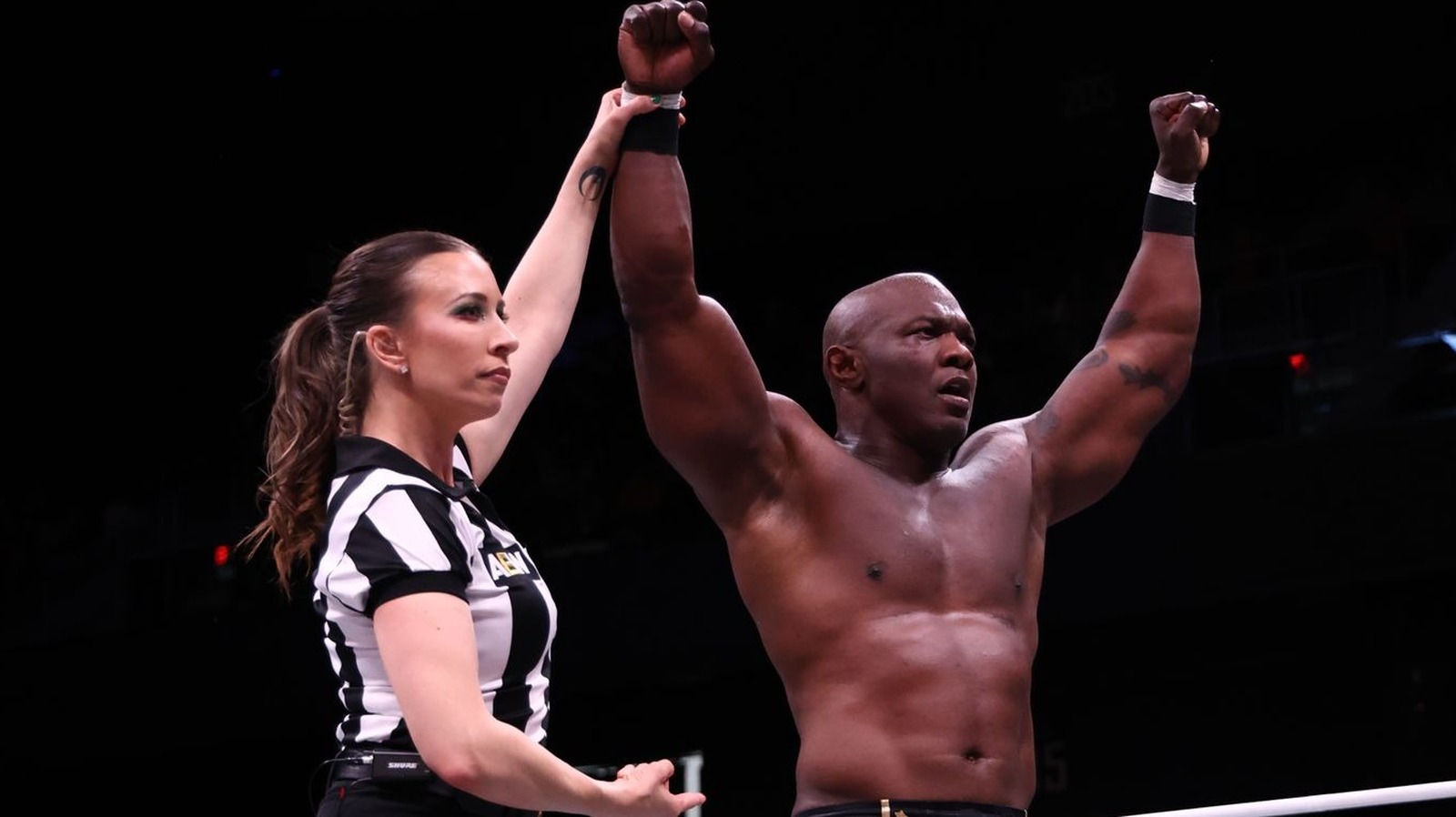
The return of The Hurt Syndicate to television brings a familiar energy back to the AEW ring, but the statistical reality of their inactivity demands a closer look. Bobby Lashley has not stepped into a sanctioned match since last November, marking a gap of roughly 150 days away from live competition. His partner Shelton Benjamin has fared similarly, having remained sidelined since January.
For a roster that thrives on frequency and high-volume work rates, these absences represent a potential hurdle. While their Collision promo was sharp, moving from talking to performance requires shedding the rust that accumulates over a multi-month layoff. Historically, AEW pacing is markedly different from the slower, episodic style these veterans navigated throughout their previous stints in larger global promotions.
Defining the impact beyond the promo
The transition from a character-heavy debut to consistent in-ring production is where this angle will either gain traction or stall. Lashley and Benjamin are not being brought in for development; they are legacy performers expected to influence the trajectory of championship tiers immediately. With The Hurt Syndicate now firmly established on Saturday nights, the comparison to their peers becomes unavoidable.
If we look at recent card construction, top-tier workers at AEW often maintain a pace of at least 3 to 4 televised matches per month. The Syndicate is currently operating at a rate of zero. Accelerating from total inactivity to that frequency is a significant stress test for tendons and joints that have been managed on a reduced schedule since the turn of the year.
The booking gamble
There is an inherent risk in banking on recognizable names who have been inactive for a combined 200-plus total days. Audiences are conditioned to fast-paced, high-impact styles, and the physical degradation often associated with long layoffs cannot be ignored. If the match quality does not hit a high technical ceiling by their second outing, the novelty of their return will bleed away.
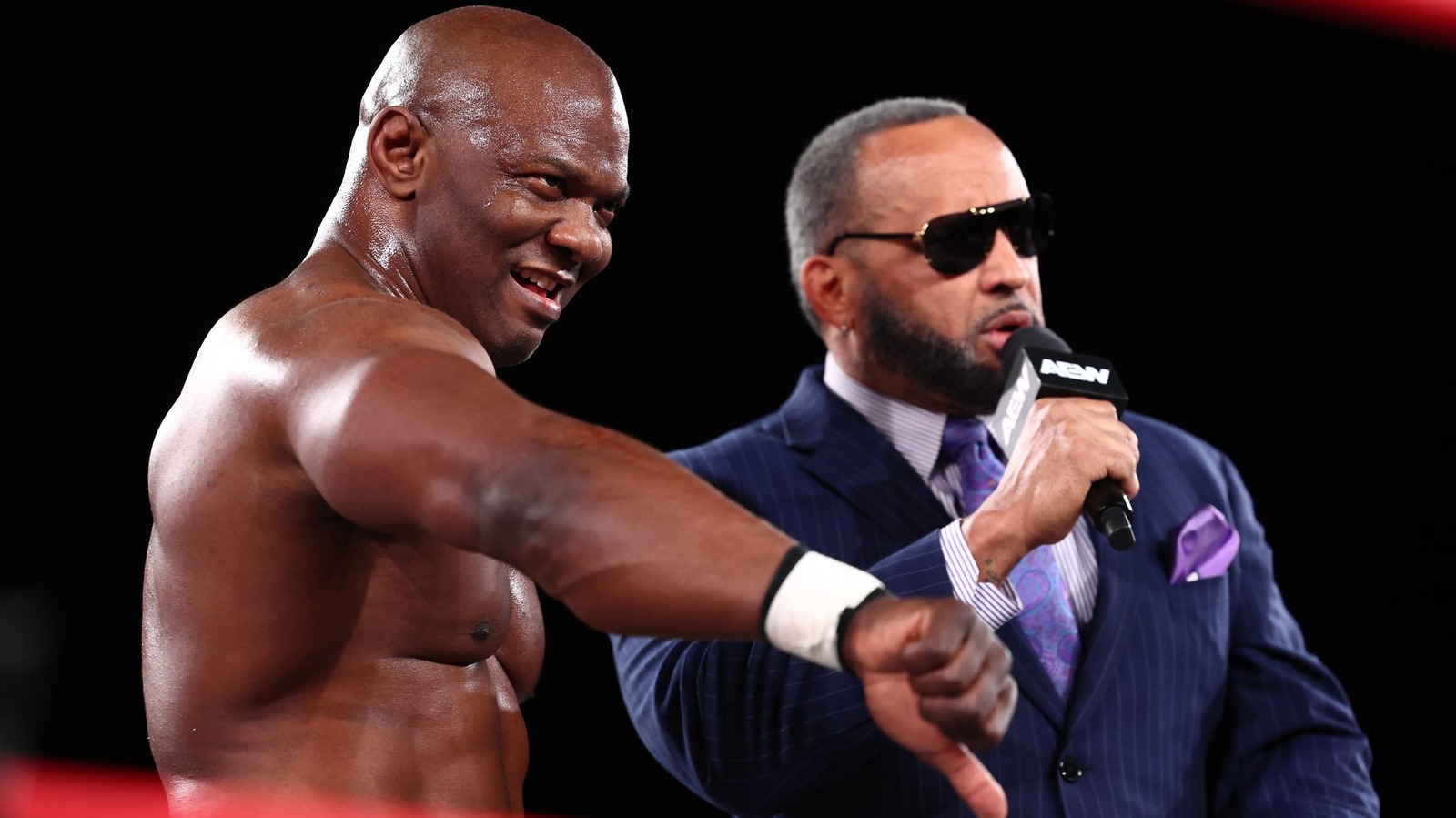
The creative choice to frame them as a syndicate suggests they will lean on interference and psychological warfare to mask any potential drop in physical output. This is a common booking trope, but it requires precise execution to avoid feeling like a stalling tactic. If they end up in extended, slow-paced segments at the 20-minute mark of a show, they risk losing the crowd. The pressure is on MVP to command the mic effectively, as he effectively functions as the engine for a group that currently lacks the kinetic rhythm of the active roster.