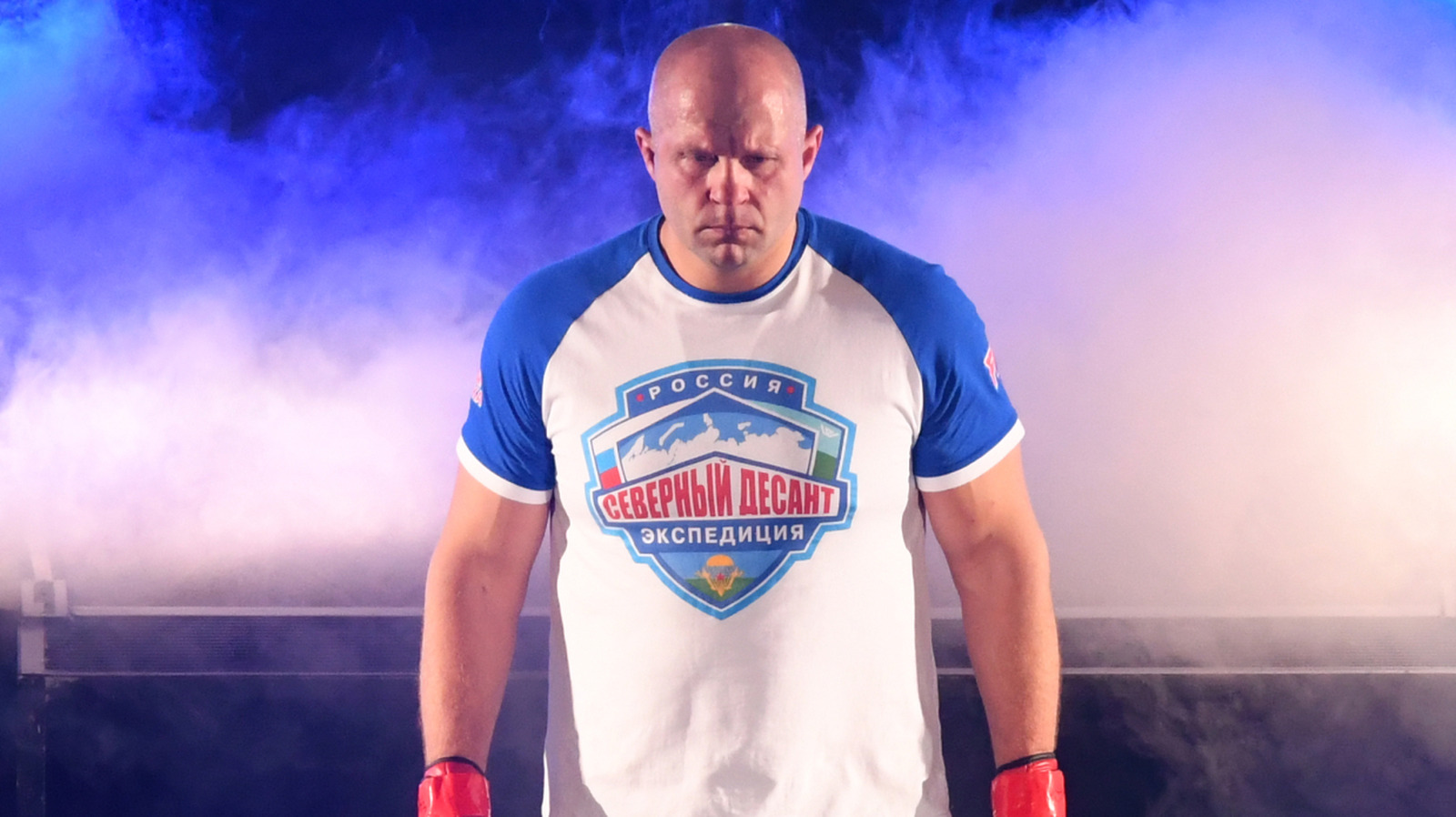
Fedor Emelianenko and the myth of the late comeback
The combat sports industrial complex has a nasty habit of flirting with the impossible. News that Fedor Emelianenko is eyeing a return to action upon turning 50 is the latest example of an athlete refusing to accept the biological clock. While the legend of the Last Emperor remains cemented in absolute MMA history, the reality of half-century-old frame taking impact is a bleak proposition.
We have seen this script before. Veterans often mistake residual muscle memory for functional athleticism. When reports surfaced regarding his comeback plans, the immediate analytical response should be skepticism rather than nostalgia. Combat sports rarely provide happy endings for those chasing past versions of themselves.
The paradox of Mike Jackson and professional wrestling
Contrast the MMA ambition with the sheer absurdity of professional wrestling’s own iron men. Mike Jackson acts as a fascinating case study in how the industry handles aging. At 76, with 57 years of in-ring experience, Jackson claims to be in better physical condition than he was during his twenties.
Technical proficiency in wrestling allows for a different style of preservation compared to the raw force required in an octagon. As outlined in recent coverage, Jackson continues to work a schedule that would break most performers half his age. It suggests that if you hone your craft to avoid the most brutal bumps, professional wrestling offers a specialized route to longevity.
Reflecting on booking patterns and legacy
Industry discourse often leans into the allure of star-driven narratives. We see this even in lower-card booking, such as the persistent fascination with celebrity matchups, noted in recent industry reports. The push to integrate outside talent often compromises the product for those who have spent decades perfecting the trade.
The current scheduling of talent like the Good Brothers or the constant churn of celebrity crossover matches points to a lack of focus. Fans deserve a clear hierarchy where talent is rewarded based on technical standing and narrative stakes. Using veterans simply as attractions for short-term visibility creates a dilution of the sport that is hard to watch.
Closing the ring on unrealistic expectations
My prediction for these trends is grim. The pursuit of nostalgia, whether through Fedor’s return or the reliance on past-era draws, will eventually run into a brick wall of diminishing returns. The physical price tag is simply too high. If the industry prioritizes the sheen of a name over the viability of the competition, the product will inevitably suffer in quality.
The 76-year-old threshold is an outlier that shouldn't be treated as a standard. Watching a veteran perform is impressive until the point it becomes a liability to their health and the structural integrity of the match. I expect the coming year to show a massive drop in interest for these heritage-act matches once the novelty wears off.