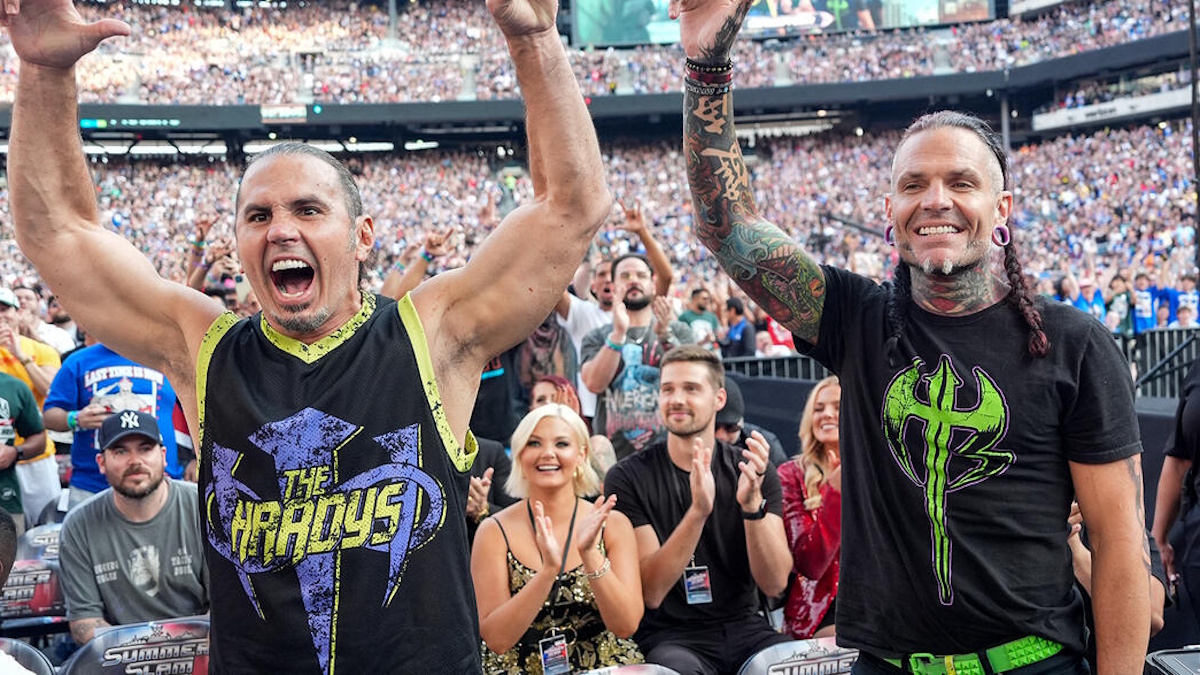
Matt Hardy has little patience for the current wrestling discourse
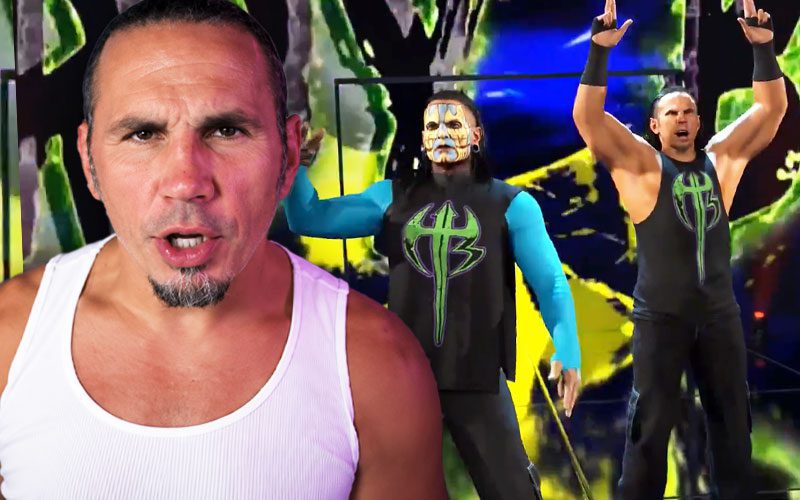
The digital facade of gaming versus the reality of the ring
The latest cycle of vitriol surrounding WWE 2K26 character models has reached a point of absurdity. Matt Hardy recently addressed fans obsessing over the polygon counts and textures of his in-game avatar on The Extreme Life. His point is grounded in a reality that many basement-bound analysts choose to ignore: character fidelity is a secondary concern when compared to the preservation of the industry's legacy.
Hardy views the fixation on digital representation as a distraction from the broader health of the product. When fans spend more time dissecting the lighting on a virtual turnbuckle than the actual booking of a Tuesday night program, the signal-to-noise ratio in wrestling discourse hits a breaking point. It is a misalignment of priorities that favors technical nitpicking over genuine appreciation for the physicality on display.
The quiet history behind the 2017 departure
Understanding Hardy’s dismissive attitude toward contemporary complaints requires a look back at his actual career volatility. His departure from TNA in 2017 was not a matter of visual assets or game models; it was a high-stakes power struggle defined by late-night communication and shifting contractual loyalties. These internal negotiations carry far more weight than whether an engine renders a side-plate correctly.
Hardy’s history suggests he values career autonomy over the aesthetic preferences of a digital audience. During that transition, he was orchestrating the biggest pivot of his late-career run. The focus was on character leverage and market positioning, not the surface-level cosmetics that dominate social media feeds regarding WWE 2K26 today.
Self-preservation in the age of investigative media
Hardy’s recent decision to abstain from the Dark Side Of The Ring episode regarding the infamous Plane Ride From Hell speaks volumes about his current media philosophy. As previously detailed, he explicitly turned down the invitation, noting he knew nothing beneficial would come from re-litigating a dark point in professional wrestling history. This is a veteran who understands that participation in sensationalist content rarely yields positive equity.
This restraint is the missing link in modern wrestling reporting. While outlets clamor to drag up decades-old trauma, Hardy is effectively choosing to protect his own narrative. His refusal to engage with the show is a calculated move to avoid the typical cycle of moral outrage. He prefers to keep his history within his own control rather than turning it into a 60-minute segment produced for viewer retention.
The gap between fan expectation and professional reality
There is a glaring disconnect between the outrage over WWE 2K26 graphics and the actual performance standards of the athletes involved. Fans treat software imperfections as personal affronts, yet they seem largely indifferent to the complex maneuvering required to survive in the industry for three decades. Hardy’s frustration is not just about a specific game model; it is about the broader tendency of the audience to prioritize the trivial over the meaningful.
Perhaps the most critical observation here is that the wrestling community has become obsessed with the peripheral products rather than the core television product. When the discourse shifts from ring psychology to texture resolution, the sport loses its gravity. Hardy has been through the absolute ringer of professional transition and corporate warfare. Asking him to justify a digital modeling choice is the ultimate sign that the modern fan has lost the plot.
We are left with a sport where the audience is more invested in the metadata of a product than the result of a main event. If a legend like Matt Hardy is telling you that you are looking at the wrong things, it might be time to listen. The 2017 negotiations and the choice to avoid the Plane Ride narrative prove he is playing a long-term game. Meanwhile, the internet is still trying to figure out why the hair physics on a $70 video game don't look like real life. The contrast is as sharp as it is absurd.
Funko POP WWE: The American Nightmare - Cody Rhodes
Bring the 'American Nightmare' straight to your desk and finish your own story!
Frequently Asked Questions
Why did Matt Hardy criticize fans over WWE 2K26?
What caused Matt Hardy to leave TNA in 2017?
Why did Matt Hardy decline to appear on Dark Side of the Ring?
How does Matt Hardy view modern wrestling reporting?
What is the main disconnect between wrestling fans and professionals?
More Coverage
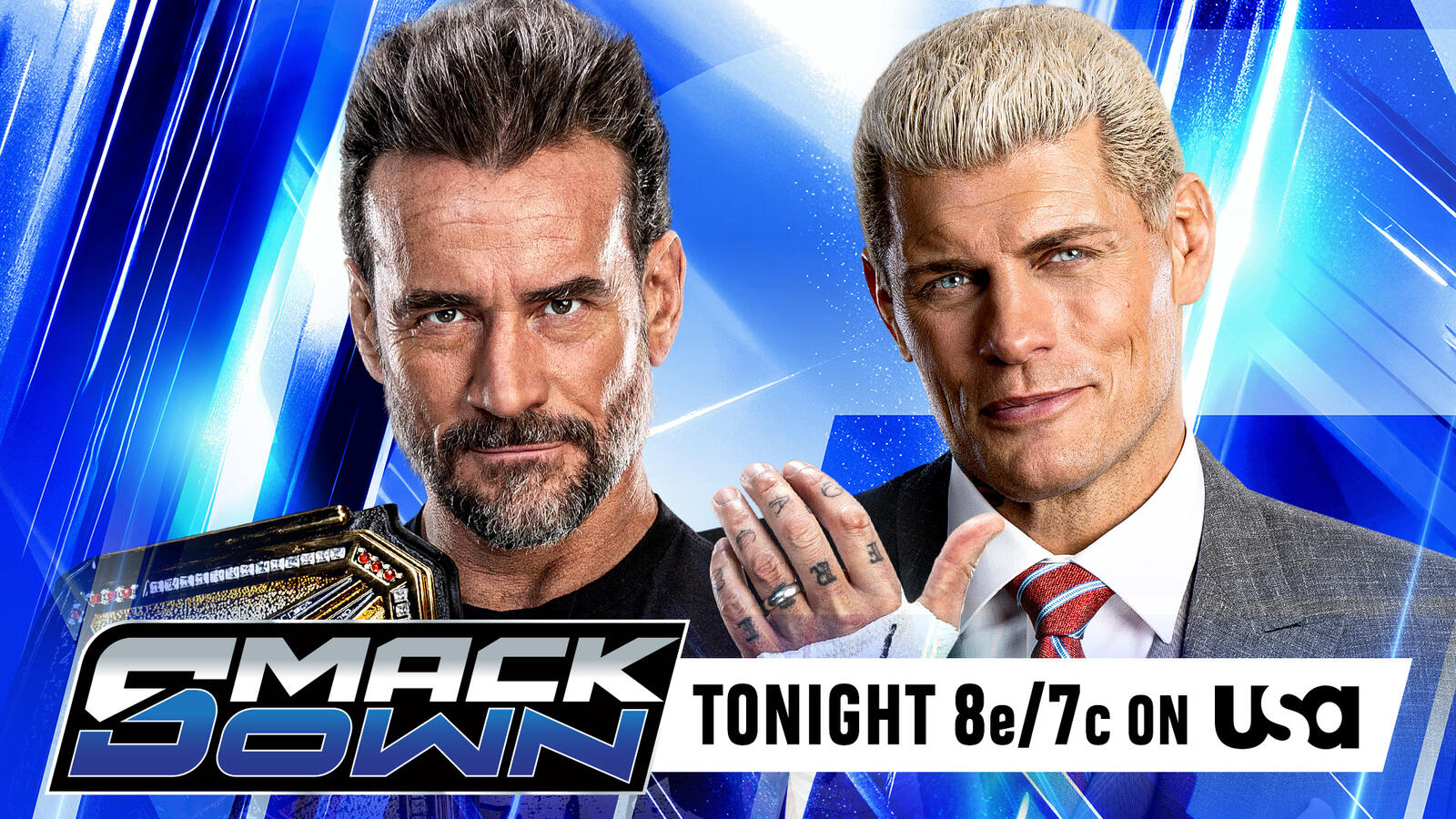
Nobody can keep up with this weekend’s absolute booking madness
an hour ago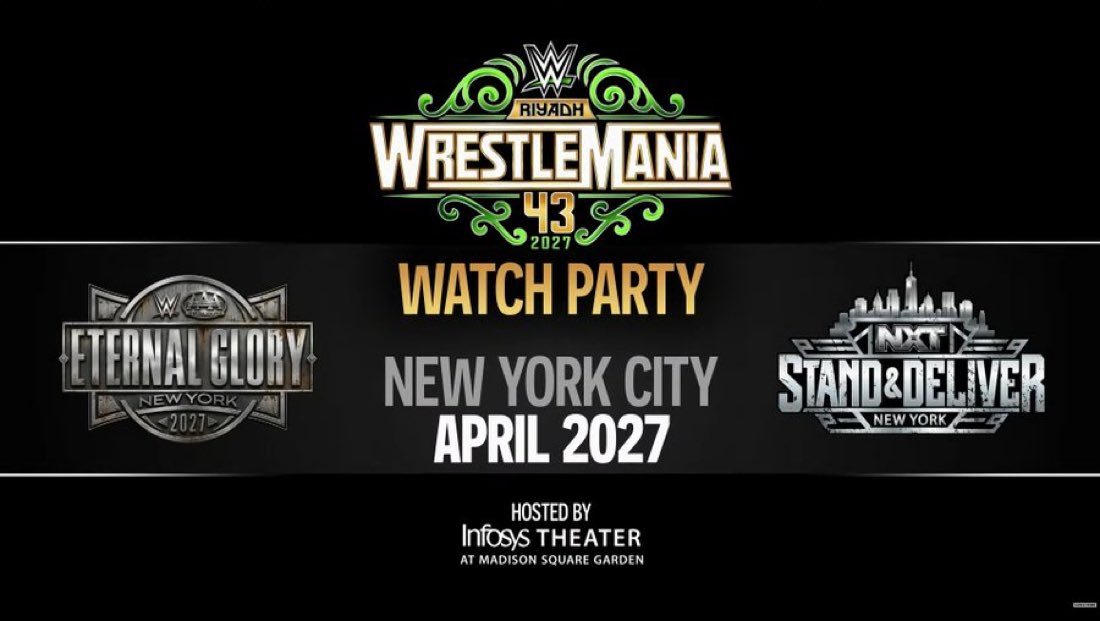
WrestleMania 43 weekend is more than just a main event
an hour ago
The math behind Roman Reigns' longevity in WWE
an hour ago
WWE’s NYC WrestleMania 43 split-site plan is already causing chaos
an hour ago
The data behind the weekend: Tracking wrestling viewership and live events
an hour ago
Tony Khan, the Jaguars, and the weirdest crossover in modern wrestling
an hour agoMore Analysis
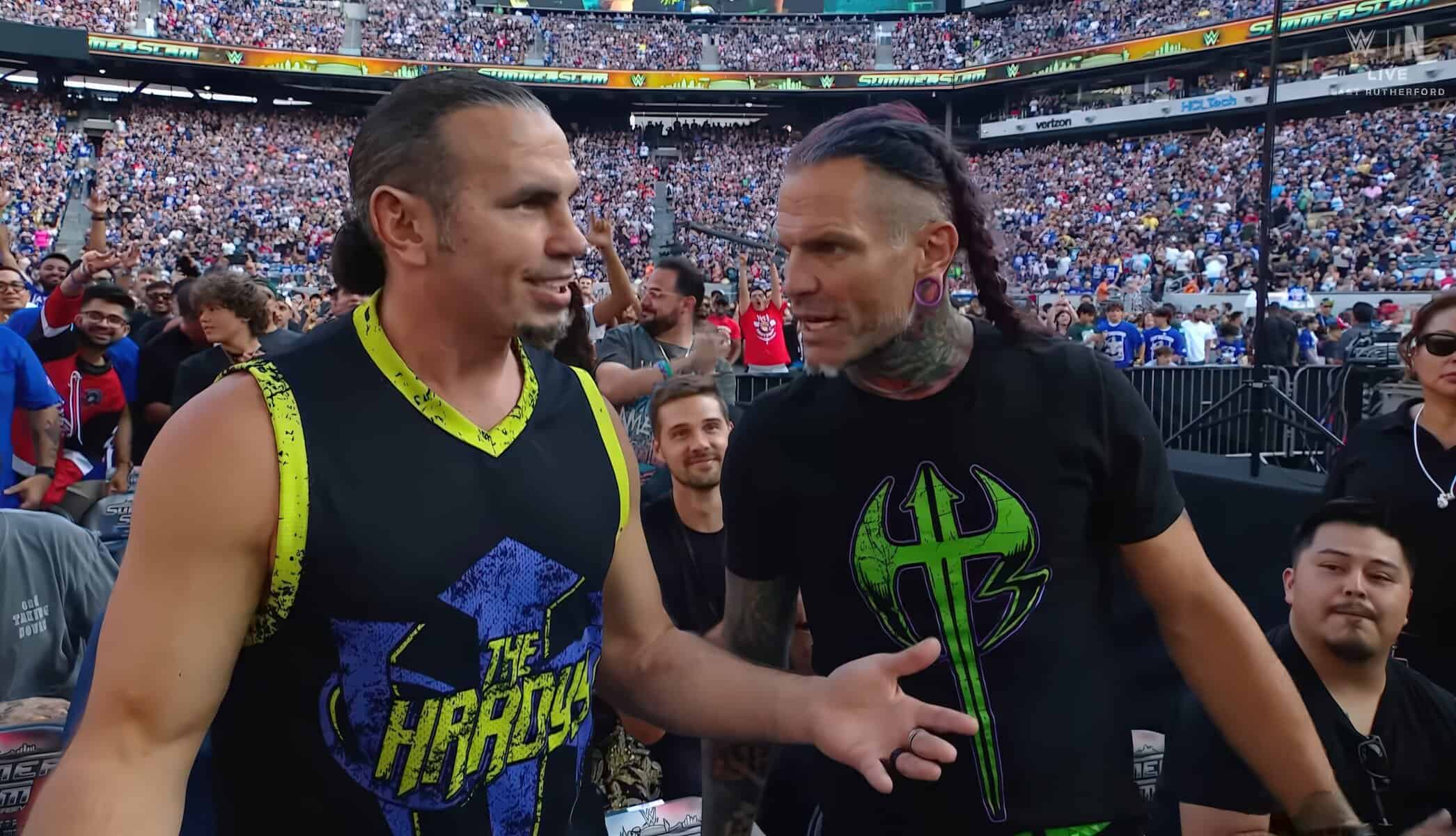
Matt Hardy’s TNA homecoming is a gamble on legacy
3 months, 2 weeks ago
Matt Hardy keeps talking, but fans are losing interest
3 months, 3 weeks ago
Wrestling fans are already tired of the WrestleMania 42 dream talk
3 months, 2 weeks ago
Matt Hardy is back to his old tricks and the scene is getting messy
2 months, 2 weeks ago
Why Matt Hardy’s TNA gamble is a desperate reach for relevancy
4 weeks, 1 day ago