The crossover paradox
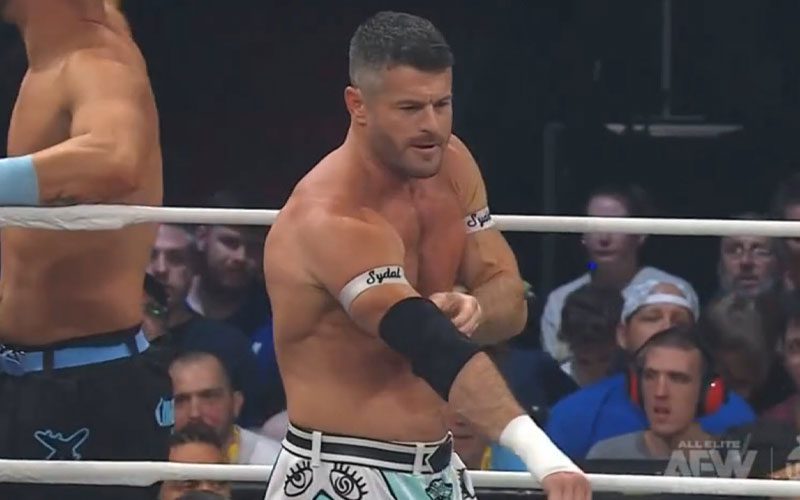
Lexis King is positioning his recent TNA Wrestling stint as the pivot point of his career. Speaking on his evolution, the current WWE Speed champion suggests that the cross-promotional time spent outside the NXT bubble allowed him to finally find his footing. It is a bold revisionist take on a tenure that often felt more like an experiment in brand dilution than a focused character arc.
We have to look at the numbers and the utility here. King’s transition from an NXT mid-card fixture to a more defined personality in TNA reveals how WWE is currently managing its secondary talent. If a wrestler like King needs to leave the PC to truly "find himself," the internal developmental process in Orlando is arguably failing to serve its primary purpose.
The WWE ID pull and indie stability
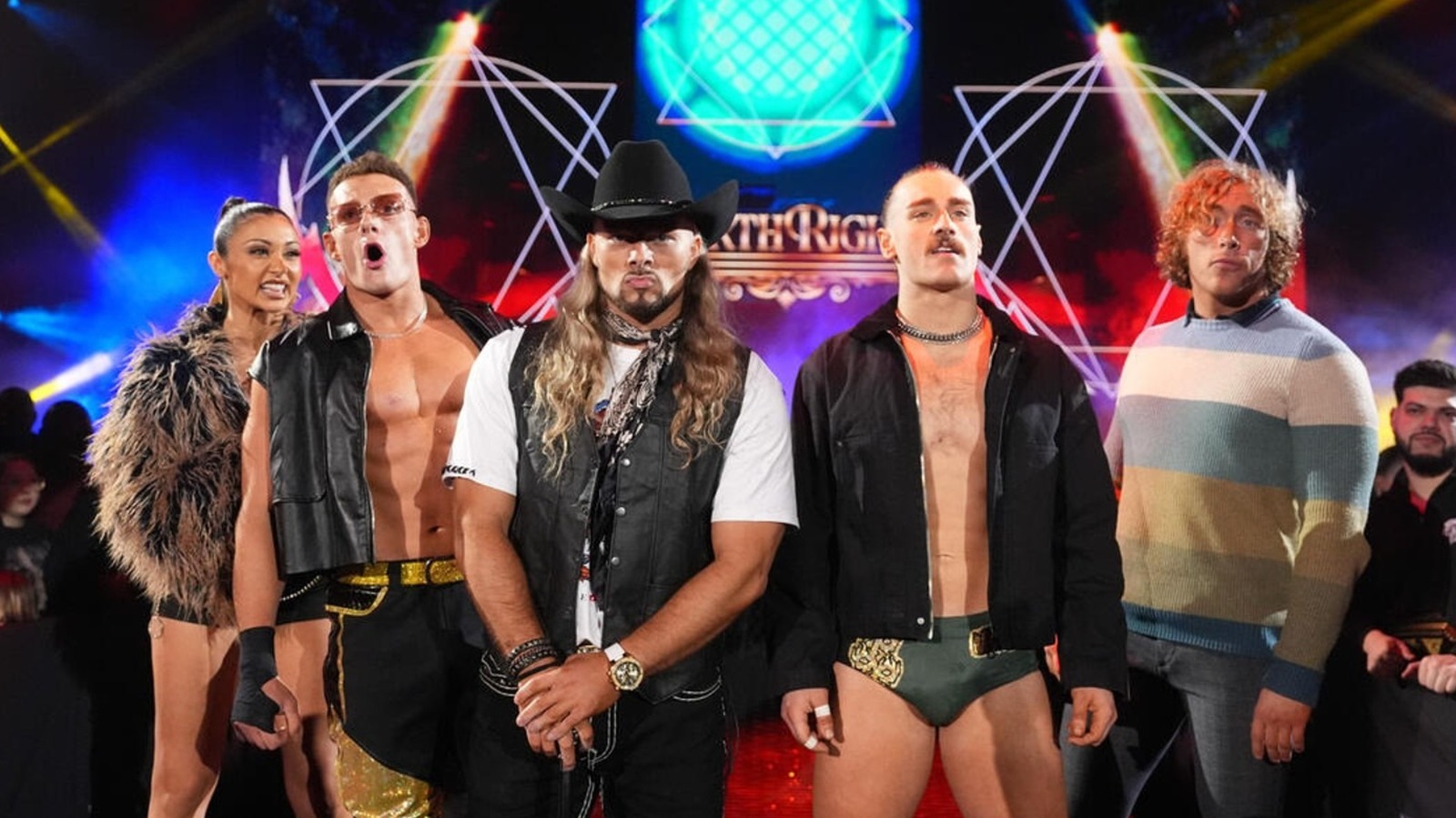
While King celebrates his external growth, the company is clamping down elsewhere. The recent decision by WWE ID to pull Starboy Charlie from an independent event highlights the tightening grip on talent pipelines. This represents a fundamental shift: the company no longer wants their prospects getting mileage on local circuits if it doesn't align with their specific promotional schedule.
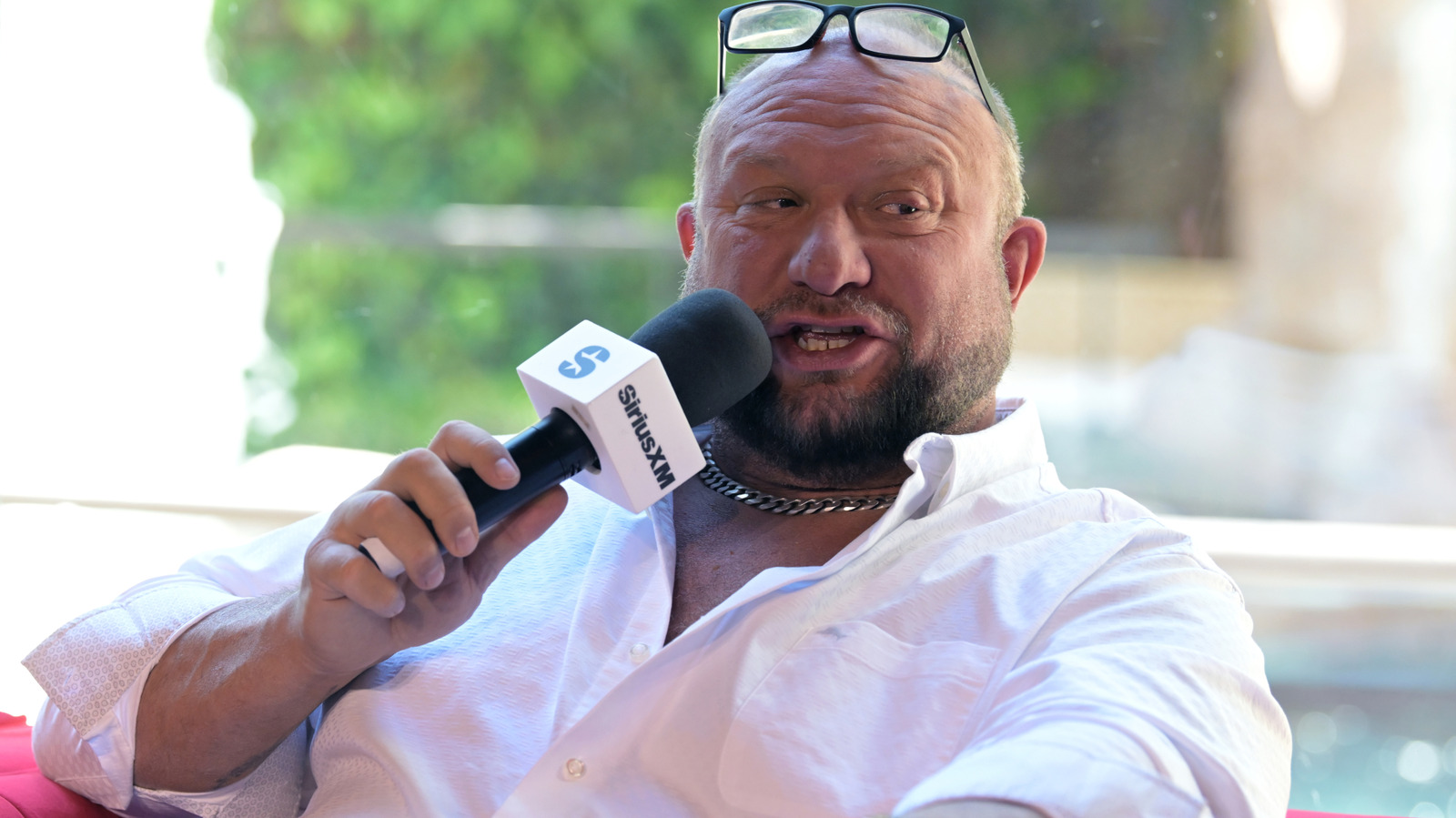
This isn't a benefit to the sport's health. It creates a localized vacuum where breakout stars are sterilized before they ever reach a national platform. Bully Ray recently noted that he is bored with modern segments, and it is hard to blame him when the talent is being locked into rigid boxes rather than being allowed to innovate on the road.
The frustration of the performance center
The sentiment is not isolated to King or Charlie. Elektra Lopez recently vocalized her biggest hurdle during her time in the system: the inability to actually wrestle. Between the lines, we see a training methodology that prioritizes repetition over reps. When talent is kept off camera or off cards, the atrophy is inevitable.
We are watching a strategy that demands perfection before an athlete is allowed to fail in front of an audience. Yet, failing is exactly when wrestling actually happens. As Lopez’s experience shows, you cannot calibrate a wrestler’s ceiling if they are never allowed to actually trade blows in a high-stakes environment.
Predicting the impact
King’s transformation is less about his time at TNA and more about the freedom he was afforded away from the microscope. The Speed championship is a fun, high-intensity gimmick, but it is a sprint, not a marathon. If King is the success story he claims to be, he needs to prove it during his next cycle of regular TV appearances.
My prediction for King’s trajectory is a plateau. Unless he carries the unpredictability he claims to have found in TNA back into the NXT main event scene, he will remain a mid-card novelty. The ceiling for this "transformed" character is a title shot by the end of the year, but the execution needs to go beyond post-match soundbites.