Why the NXT call-up velocity isn't sustainable
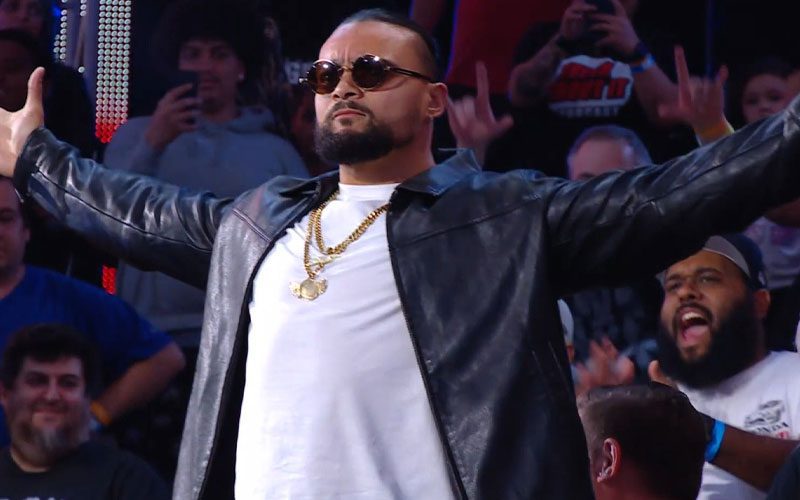
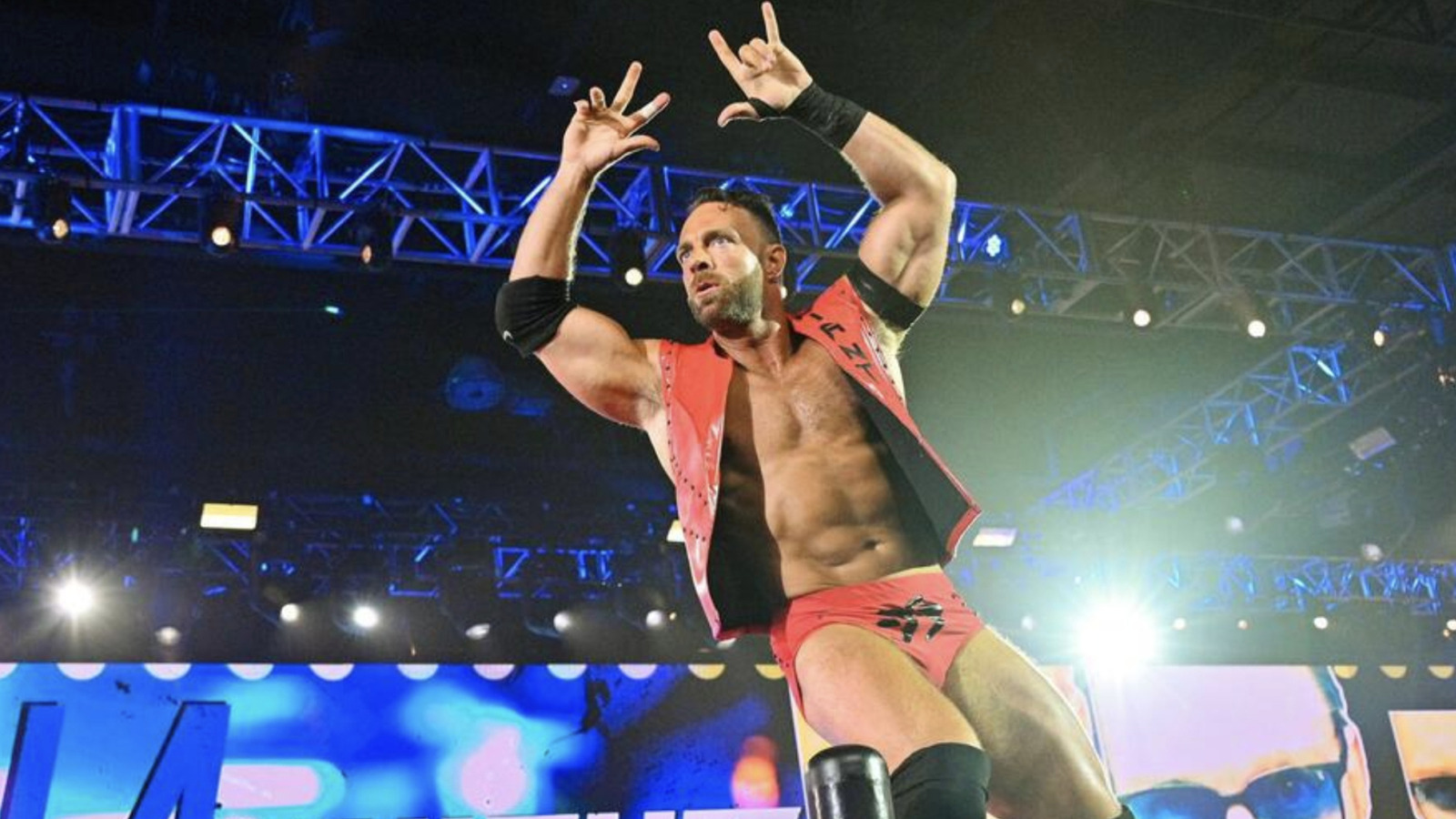
When the main roster opened its doors to the likes of Oba Femi, Trick Williams, Lash Legend, and Je’Von Evans earlier this year, the industry hailed it as a tactical masterclass in succession planning. These aren't just prospects; they are refined performers who carry internal equity built through years of developmental seasoning. However, looking at the recent NXT call-up patterns, a glaring output issue has emerged.
We have reached a point where the main roster creative runway is simply too short to accommodate the influx. You can only position so many act-focused stars before the peripheral card begins to suffer from stagnation. Femi, for one, requires a specific kind of dominance to remain authentic. If he is shoved into 50/50 booking cycles at 9:30 PM, the aura of his NXT dominance dissipates within three weeks.
The infrastructure of the indie departure
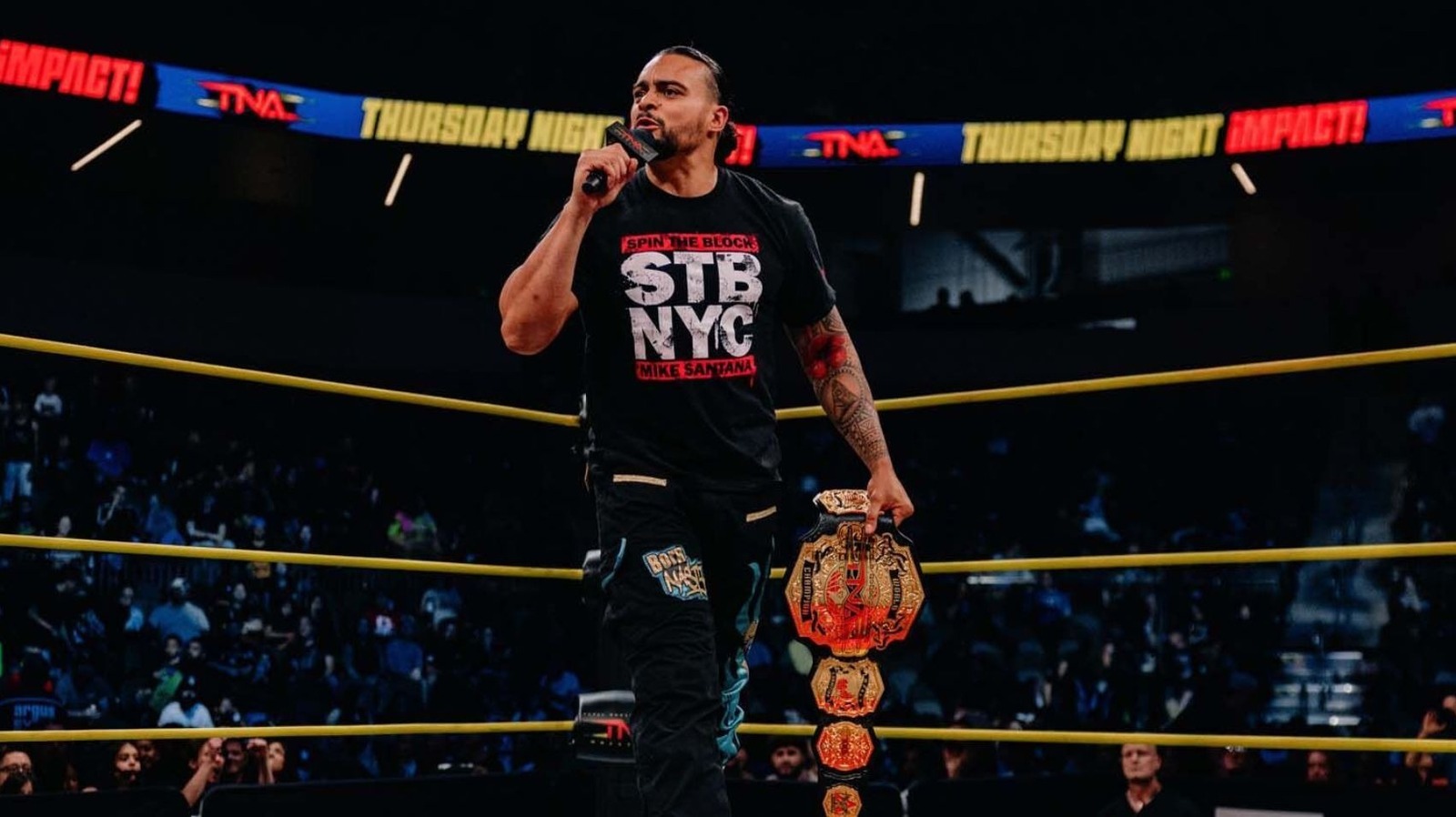
Parallel to this, the internal movement within independent promotions like TNA highlights a deeper roster volatility. Recent headlines regarding surprise appearances prove that companies are increasingly reliant on short-term pops to mask roster attrition. When talent exits smaller promotions and heads toward the WWE pipeline, the resulting void is rarely filled by home-grown talent; it is filled by further borrowing.
This creates a cycle where the main brand essentially harvests the labor of the entire industry. It is effective but lazy. The recent wave of TNA departures serves as a reminder that the industry is top-heavy. When companies lose their mid-card foundations, they lose the ability to create believable challengers for their top-tier champions.
The collision of influencer culture and professional standards
We saw this dysfunction crystalize when streamer N3on compromised Penta El Zero Miedo by filming him without his mask. The aftermath, as documented by sources covering the locker room reaction, shows that WWE management is sensitive to these violations of decorum. It matters because it is not just about a photograph; it is about the sanctity of the industry's performative barrier.
If wrestlers become content for the highest-bidding streamer, the mystique necessary to sell tickets at the massive scales WWE is pursuing will erode. You cannot market an Olympian-tier athlete while simultaneously treating them as a prop for a basement-streamed prank. This clash of cultures is a genuine liability for talent acquisition.
Predicting the talent stall
My prediction is that the current rate of talent assimilation will drop by 40% by the end of Q4. The main roster is becoming a clogged artery. We have seen the peak of the recent talent influx, and the next phase is a necessary period of consolidation.
Expect to see WWE focus on repackaging existing mid-carders rather than sourcing new heat from the NXT file. They have enough on their plate. The gamble on rapid ascension is about to hit its wall, and the transition will be less about fireworks and more about brutal, necessary roster cuts designed to reset the balance sheet.