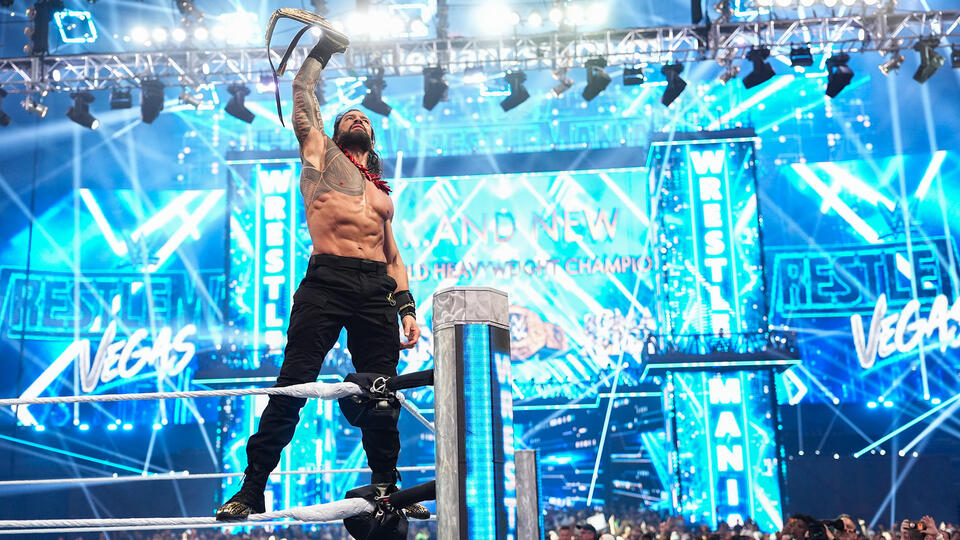
Las Vegas glitz fades as wrestling names rally for a fallen fan
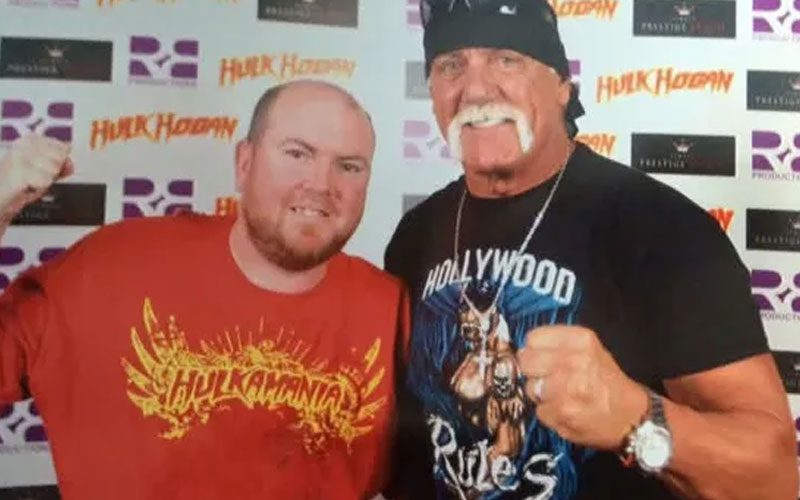
The brutal reality behind the Vegas spectacle
The spreadsheets for WrestleMania 41 will tell a story of unparalleled success. Reports from the Las Vegas Convention and Visitors Authority are already whispering about an economic impact exceeding $200 million for the city. From the perspective of a corporate analyst, the weekend was a masterclass in logistics and high-volume tourism. Allegiant Stadium swallowed 70,000 fans each night, processed their credit cards at merch stands, and spit them back out into the neon desert.
But the data doesn't account for the human friction involved in moving a global population to a single point in the Mojave. When the lights went down on Cody Rhodes’ championship defense on April 20, 2026, the machine began its pivot to the next city. It left behind the debris of the spectacle, and in one tragic instance, it left behind a family searching for a way to bring their loved one home.
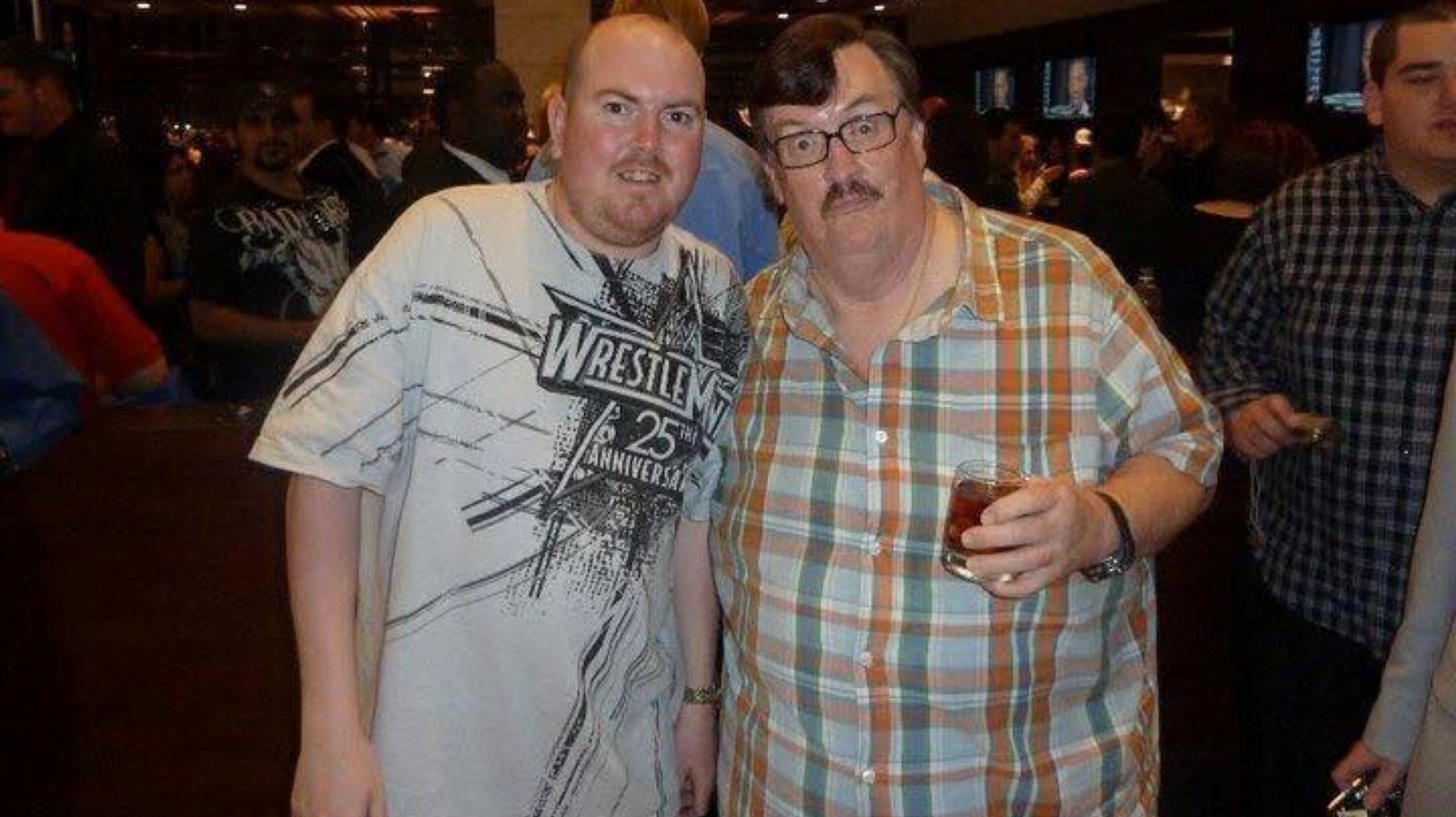
Marc Izard was one of those 70,000. He wasn't a line item on a budget or a statistic in a press release about hotel occupancy. He was a dedicated fan who traveled to Nevada to witness what was billed as the biggest WrestleMania in history. He died during the weekend, a stark reminder that the 'WrestleMania high' has a physical and emotional floor that the industry rarely acknowledges. The subsequent scramble to fund his repatriation is a tactical failure of the system, even if it is a triumph of the community.
A community defined by its edges
The news that a GoFundMe for Marc Izard is nearing the $19,000 mark is significant for reasons that have nothing to do with charity. It highlights the closed-loop economy of professional wrestling. In most major sports, the distance between the athlete and the ticket-holder is a vast canyon of PR firms and security details. In wrestling, that distance is often just a few hundred dollars on a crowdfunding site.
Top names in the industry have reportedly contributed to the fund. This isn't just about 'giving back' to the fans. It is an admission that the stars know exactly who pays for their houses. When a name like Chris Jericho or Cody Rhodes pops up on a donation list, it serves as a tactical bridge. They are acknowledging that the traveling fan is the lifeblood of their specific economy, and when that lifeblood stops pumping, the stars feel the drop in pressure.
The logistics of a death in a foreign or distant city are a nightmare. Transporting remains across state lines or international borders can cost upwards of $10,000 before a single funeral service is even considered. For a fan who likely spent thousands on tickets, flights, and overpriced Vegas strip food, there is rarely a reserve left for tragedy. The community shouldn't have to be the insurance policy for the fans, but that is the reality of the 2026 wrestling environment.
The financial architecture of fan loyalty
WrestleMania has transitioned from a wrestling show into a destination residency. The schedule now demands a minimum of four days of attendance: SmackDown on Friday, the Hall of Fame, two nights of WrestleMania, and RAW on Monday. This doesn't include the 'indie' shows that litter the surrounding area or the convention appearances that drain a fan's energy and wallet. By the time Monday night rolls around, the average attendee is physically spent and financially depleted.
We see the high-resolution highlights of John Cena’s farewell tour or the Bloodline’s latest drama, but we don't see the toll of the 14-hour days spent in transit and security lines. The physical demands on the audience are nearing a breaking point. Las Vegas is an unforgiving environment for this kind of endurance test. The walk from the Mandalay Bay bridge to Allegiant Stadium alone is enough to challenge a healthy individual, let alone someone navigating the stress of a high-cost vacation.
The fact that top wrestling names had to step in to push this fundraiser toward its goal is a scathing critique of the corporate structure. WWE generates record revenues, yet there is no formal mechanism to support the families of fans who die while attending their events. It is a 'don't look at the curtain' policy. As long as the gate is record-breaking, the individual casualties are treated as private matters rather than industrial concerns.
Why the machine needs to look at its own parts
There is a dark irony in the timing. As the world prepares for the 48-team expansion of the FIFA World Cup in June, the focus is on infrastructure and safety. Massive sporting bodies are forced to reckon with the sheer volume of humanity they move across the globe. Professional wrestling, despite its global reach, still operates with a carny mentality regarding its supporters. You pay your money, you see the show, and what happens after you leave the arena is your business.
Marc Izard’s story should be a catalyst for a change in how these destination weekends are managed. The 'WrestleMania Weekend' is a product sold by WWE, but the liability is shifted entirely onto the consumer. If a fan suffers a medical emergency at a high-price VIP experience, the corporate response is usually a refund and a waiver. The community-led response for Izard is heartening, but it is also a stopgap for a missing corporate soul.
The wrestling names donating to this cause are doing the right thing, but they are also doing the work that the billion-dollar entity they work for refuses to do. They are patching the holes in the boat while the captain celebrates the speed of the vessel. It is a critical flaw in the modern wrestling business model: it harvests maximum value from the fan but offers zero protection in return.
The logistics of the final exit
Bringing a body home from Las Vegas is not just a financial burden; it is a bureaucratic one. The Clark County Coroner’s office is one of the busiest in the country. Navigating that system while grieving, in a city designed to distract and drain you, is a Herculean task. The $19,000 raised will cover the basics, but it won't cover the trauma of a vacation turned into a funeral procession.
Wrestling fans often talk about being a 'family.' It’s a term that gets thrown around too easily in marketing materials to sell tickets to 'family-friendly' events. The Marc Izard situation proves that the family exists, but it’s a family of orphans. They look after each other because the parents—the promoters and the corporations—are too busy counting the nightly receipts to notice when a seat in the front row goes empty.
As we move toward WWE Backlash on May 9, the industry will move on. The commentary teams will talk about 'unforgettable moments' and 'historic nights' in Vegas. They will mention the records broken and the icons honored. They will almost certainly not mention Marc Izard. His name will remain on a GoFundMe page, a digital monument to a fan who gave everything to a sport that, at its highest level, didn't even know his name.
The cost of the 'Grandest Stage'
The tactical error in modern wrestling is the belief that the spectacle is the only thing that matters. Promoters spend millions on drone shows, pyrotechnics, and custom entrance stages. They obsess over the camera angles and the lighting rigs. But the most important part of the 'Grandest Stage' isn't the LED floor or the giant screen. It is the person sitting in seat 12, row M, who saved for a year to be there.
The death of a fan during a major event is a statistical rarity, but the response to it defines the character of the sport. If the only way to get a fan home is through a grassroots fundraiser supported by individual wrestlers, then the sport’s leadership has failed. The names on that donor list should be a source of pride for the fans, but a source of shame for the executives. It proves that the human element of wrestling still exists in the locker room, even if it has been scrubbed from the boardroom.
The momentum for Izard's fundraiser shows no signs of slowing down. It is a rare moment of clarity in a month usually dominated by post-WrestleMania rumors and contract negotiations. It forces us to look away from the ring and toward the people standing around it. Without fans like Marc Izard, the lights in Allegiant Stadium wouldn't even be turned on. The least the industry could do is make sure they get home when the show is over.
We are five days away from the UCL Semi-Finals and less than two weeks from the next WWE premium live event. The cycle is relentless. It demands our attention and our money every single day. But for one family, the cycle stopped in Las Vegas. The wrestling world stepped up to fill the void, proving that while the business might be cold, the people inside it still have a notebook full of names they care about. Marc Izard’s name is now at the top of that list, and it’s the only stat from WrestleMania 41 that actually matters.
Becky Lynch: The Man: Not Your Average Average Girl by Rebecca Quin
A raw, inspiring, and brutally honest look behind the rise of 'The Man'.
Frequently Asked Questions
Who was Marc Izard?
What happened to the GoFundMe for the fallen fan?
Why is transporting remains so expensive?
How did the wrestling industry react to the tragedy?
When and where did WrestleMania 41 take place?
More Coverage
When Ozzy wasn't looking: The weirdest wrestling crossover of the year
2 hours ago
AJ Styles is reflecting on his legacy while others look elsewhere
2 hours ago
Ethan Page is playing a dangerous game with his ego in NXT
2 hours ago
Ethan Page says his custom NXT title was the real top prize and fans are split
2 hours agoGear Check: Sorting the Must-Haves from the Merch Table Filler
3 hours ago
Why CM Punk vs Cody Rhodes is a game of psychological chicken
3 hours agoMore Analysis
A UK fan died at WrestleMania 41. Now the community must bring him home.
2 months, 3 weeks ago
Search intensifies for UK wrestling fan Marc Izard after Las Vegas disappearance
2 months, 3 weeks ago
Why the industry is mourning Marc Izard as wrestling rallies together
2 months, 3 weeks ago