The end of a multi-month search
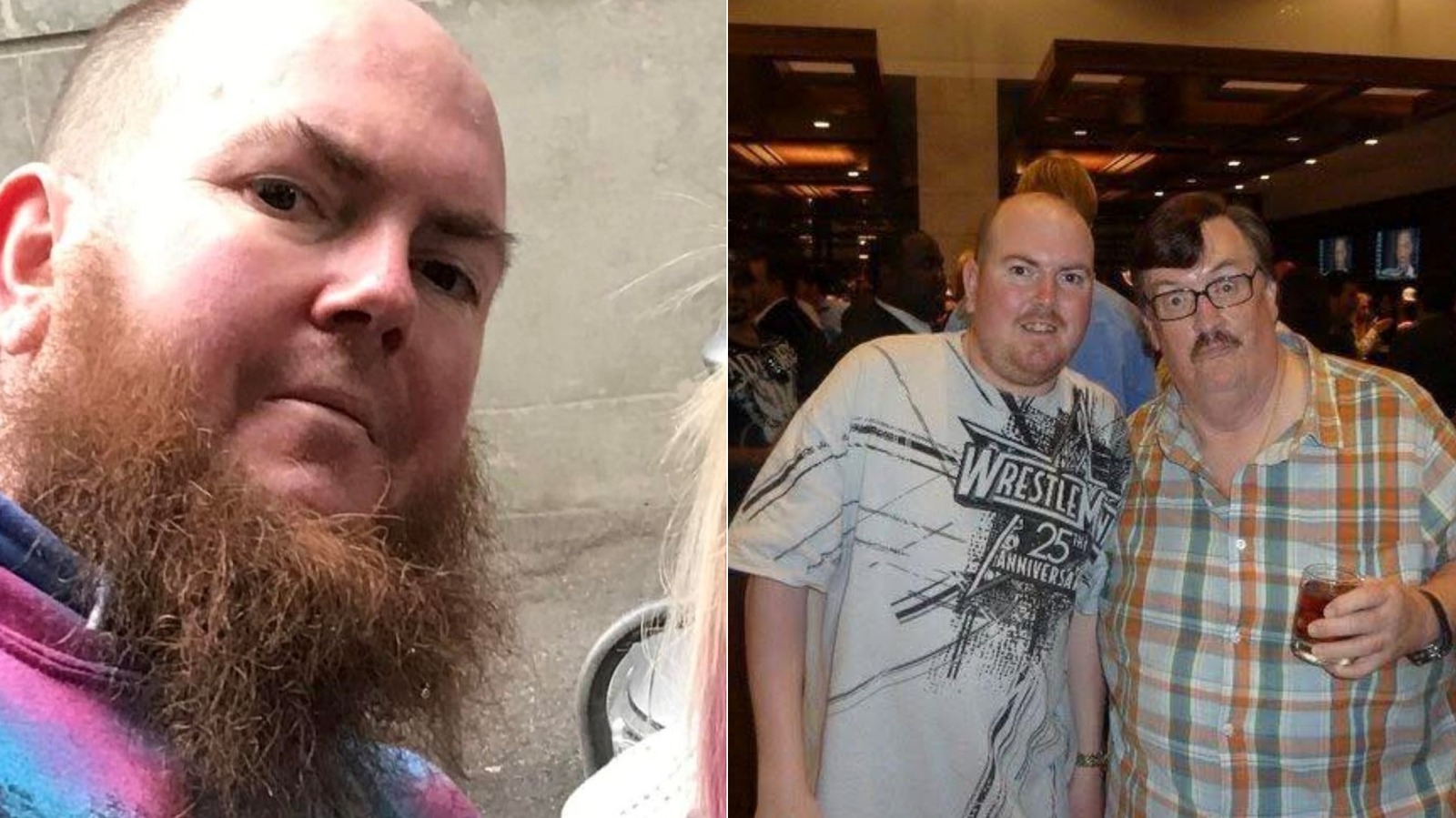
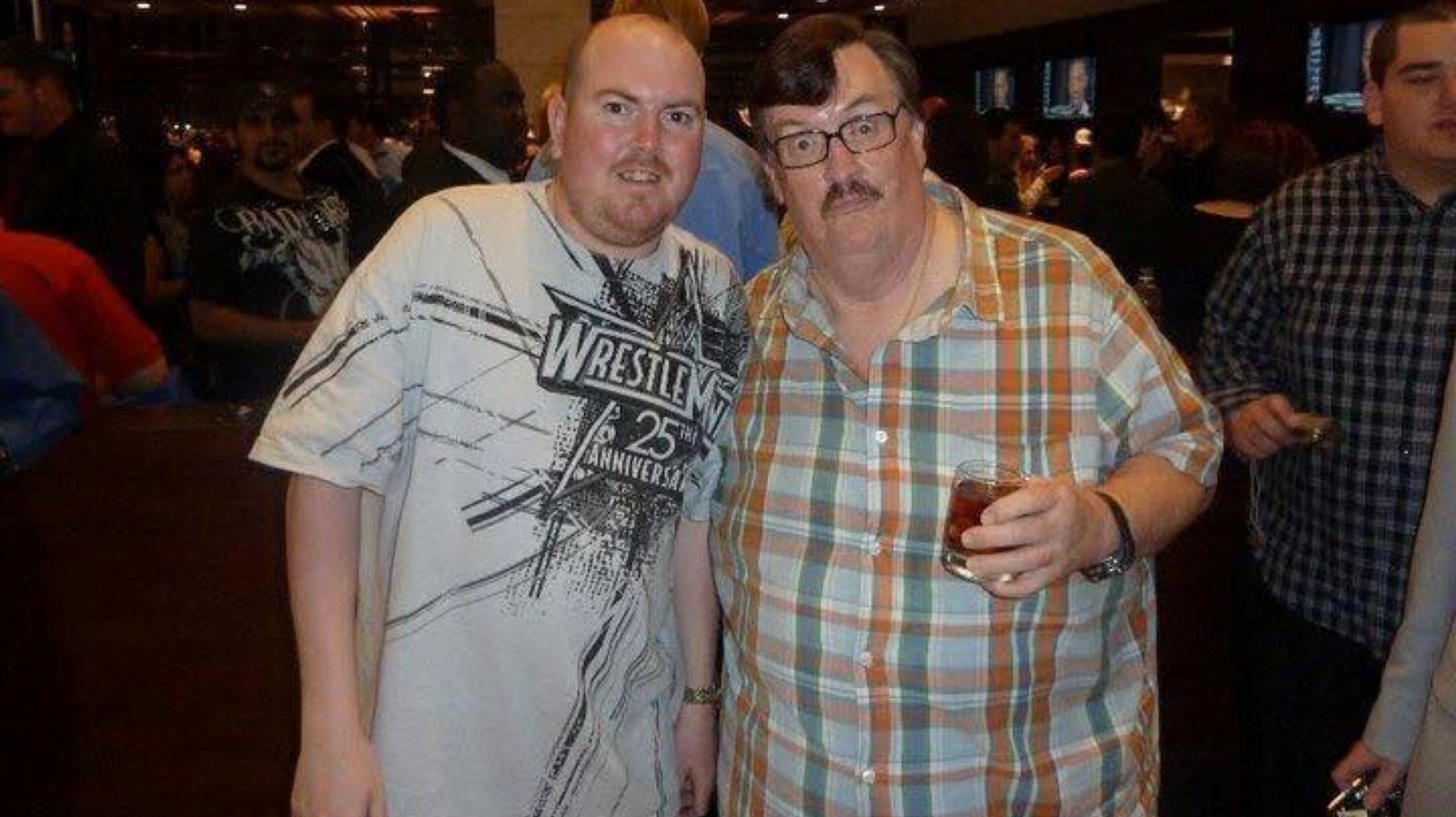
The wrestling community received sobering news regarding the fate of Marc Izard, a United Kingdom national who vanished during the recent WrestleMania weekend. Authorities confirmed this week that Izard passed away due to natural causes following his disappearance.
Izard went missing amidst the chaos of high-profile event scheduling. His case became a significant point of concern for fans attending the festivities, sparking a localized search effort involving both international contacts and domestic law enforcement. The confirmation of his death brings a quiet, painful end to the uncertainty that plagued his family since the spring.
Missing persons protocols at mega-events
Large-scale wrestling events present unique challenges for security and attendance tracking. With tens of thousands of fans descending on host cities, the PWInsider report highlights the logistical difficulty of monitoring individual well-being during intense travel windows. The sheer volume of traffic often overwhelms standard missing persons alert systems in major metropolitan areas.
This is not the first time fan safety has been highlighted by a tragedy at a major sporting event. Previous incidents at stadium-scale gatherings have forced promoters to tighten communication channels with local police departments. However, human outcomes remain beyond the reach of corporate security protocols regardless of how well-drilled the staff might be. The industry remains vulnerable to external health events that fall outside the typical venue risk assessment.
Operational shifts in venue management
Event organizers face increasing pressure to address fan welfare beyond just crowd control. Managing the health of tens of thousands of people requires coordination between event staff, hospitality providers, and emergency services. The loss of a fan during a period of celebration serves as a stark reminder of the limitations inherent in these massive, fast-moving environments.
There is a recurring flaw in how venues handle long-term missing person inquiries. When a fan goes dark, the disconnect between ticket scanning data and the host city’s hospitality police departments often proves too large to bridge in real time. Reliable updates from entities like the PWInsider desk helped keep public attention focused on the search, but information lag remains a persistent hurdle for families.
The human cost of the stadium calendar
The pace of the wrestling calendar rarely slows for tragedy. As the organization pivots toward the summer schedule including the upcoming international events, the focus shifts back to athletic performance. Yet, the loss of a vocal member of the base serves as a reality check for the global community.
The standard operating procedure for wrestlers and promoters is to return to the road immediately. This rhythm can feel cold under the circumstances, but it remains the functioning reality of the industry. Future event planning should ideally integrate more robust liaison paths for fans traveling from overseas, particularly given the reliance on global tourism for stadium-level shows.
The death of Marc Izard hits home for the traveling fanbase who rely on the shared community to monitor their own. Unlike traditional professional athletes whose medical status is tracked daily by team physicians, the audience lacks a centralized health monitoring system. This leaves individual travelers in a precarious position when health issues arise on the road. It is a grim outcome for a story that the community genuinely hoped would conclude with a safe return home.
Current logistics for major events must reconsider the depth of their support for foreign travelers. Relying on local authorities alone is insufficient for attendees who are unfamiliar with the language, medical, or legal systems of the host nation. While no event can cover every contingency, improvements to communication channels could assist in faster identification when a fan falls off the map during the festival window. For now, the community marks a sad milestone in the aftermath of its most recent high-energy gathering.
The return to normalcy for the promotional tour begins immediately, with major stars already moving into their next program. The impact on the industry is internal and cultural rather than operational or financial. Fans are left to process the loss of one of their own, while the machinery of the wrestling world continues to turn toward the next venue. It is a hollow reminder of the fragility of the travel experience during the most intense weeks of the year.